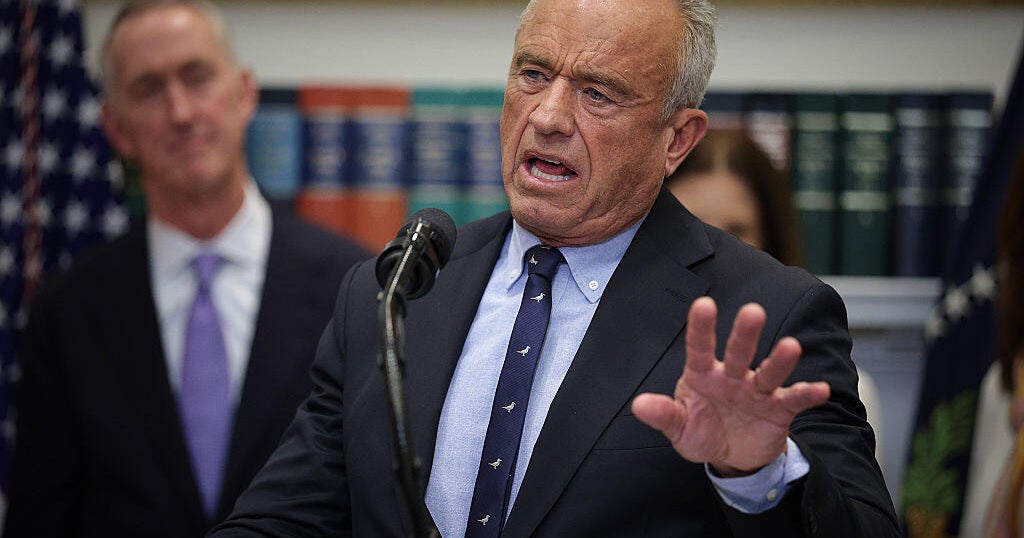
Nineteen states and the District of Columbia sued HHS, Secretary Robert F. Kennedy Jr., and the HHS inspector general in federal court to block an HHS declaration that labels puberty blockers, hormone therapy and surgeries for minors as unsafe and warns providers they could be excluded from Medicare and Medicaid; plaintiffs allege the declaration unlawfully circumvented required notice-and-comment rulemaking. HHS based the declaration on an internal peer-reviewed report and has proposed rules to bar federal funding for pediatric gender-affirming care, actions that have already led some major providers to curtail services and could further discourage participation in Medicaid/Medicare. The dispute — coming after a Supreme Court decision upholding a Tennessee ban — raises elevated regulatory and litigation risk for healthcare providers and payors, though the proposed rules are not final.
Market structure: The ruling/regulatory push is a concentrated, low‑revenue shock to pediatric specialty services rather than a system‑wide healthcare demand shift; winners are behavioral‑health and telehealth providers (possible +5–15% utilization for adolescent counseling over 6–12 months) while specialty pediatric surgical clinics and some children’s hospitals face modest revenue risk (<1–2% system revenue for large hospital chains). Insurers and Medicare Advantage players see ambiguous effects — potential short‑term claim reductions offset by political/legal compliance costs and enrollee churn in states with bans.
Risk assessment: Tail risks include a broad federal enforcement action or final HHS rule (60–180 days) that de‑funds Medicaid payments for covered procedures — this could force clinic closures and raise legal liabilities for providers (high impact, low probability over 12–24 months). Immediate (days) volatility will center on litigation headlines; medium term (weeks–months) hinge on rulemaking comments and state legislatures; long term (years) depends on Supreme Court precedent expansion and insurer benefit design changes.
Trade implications: Tactical longs: telehealth/behavioral names (TDOC) and diversified insurers (UNH, ELV) on pullbacks; tactical shorts: elective‑procedure exposed small hospitals/REITs if a final rule reduces Medicaid revenue. Use options to limit downside: buy 3–6 month call spreads on TDOC and buy 6–12 month protective puts on exposed regional hospital names. Entry windows: trade pullbacks >4–6% and reprice after court rulings within 30–90 days.
Contrarian angles: The market may overestimate the revenue hit to large healthcare incumbents — big systems derive <2% revenue from these services so broad selloffs are overdone; conversely the consensus underprices legal/timing risk — a preliminary injunction would flip sentiment quickly. Historical parallel: prior federal/state health policy fights (abortion, vaccine mandates) showed rapid reversals after court injunctions — expect asymmetric, binary moves around legal milestones.
AI-powered research, real-time alerts, and portfolio analytics for institutional investors.
Request DemoOverall Sentiment
neutral
Sentiment Score
-0.18
