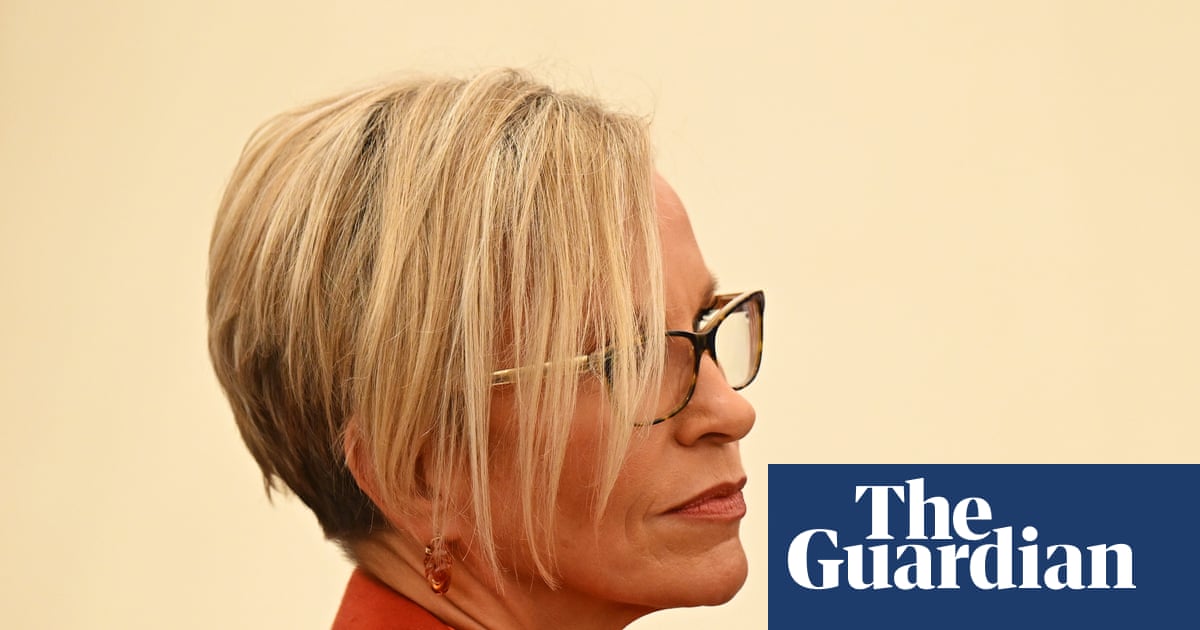
Emma Walmsley is stepping down as GSK CEO, having overseen a strategic overhaul that included the demerger of Haleon and a doubling of R&D budgets, financed partly by dividend cuts. Despite these significant changes aimed at future growth, GSK's share price has remained flat during her tenure, and a credibility gap persists between her ambitious £40bn+ 2031 revenue targets and analysts' more conservative £35bn forecasts. Her successor, Luke Miels, will face the challenge of proving the long-term success of her pipeline strategy to drive sustained share price appreciation and validate the company's new momentum.
Despite a significant strategic overhaul during CEO Emma Walmsley's eight-year tenure, GlaxoSmithKline's (GSK) share price has remained effectively flat, trading near its 2017 level of £15.25. Key restructuring initiatives included the demerger of the consumer health division into Haleon and a doubling of annual R&D budgets, financed by dividend cuts to address historical underinvestment and reduce borrowings. While these moves have created a fundamentally stronger business, the market remains skeptical, as evidenced by a significant credibility gap in future revenue projections. The company is targeting over £40 billion in revenue by 2031, contingent on the success of 15 potential blockbuster products in its pipeline. However, consensus analyst estimates forecast a more conservative £35 billion, factoring in the upcoming patent expiry of a major HIV treatment. This £5 billion discrepancy highlights investor uncertainty regarding the pipeline's ability to deliver on its ambitious goals. Walmsley's departure before the 2031 target date means the definitive verdict on her turnaround strategy is pending, passing the challenge to her likely successor, Luke Miels, to execute on pipeline delivery and finally generate sustained share price growth.
AI-powered research, real-time alerts, and portfolio analytics for institutional investors.
Overall Sentiment
mixed
Sentiment Score
-0.15
Ticker Sentiment
