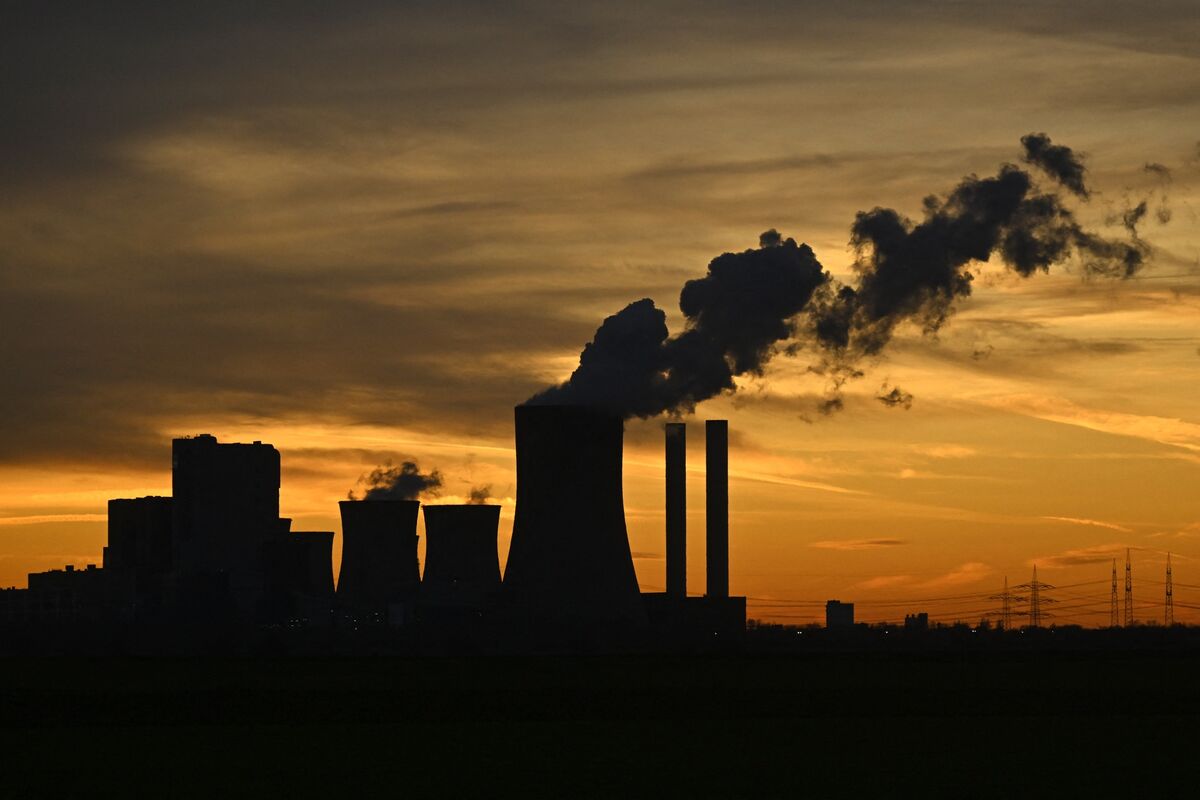
The US, Qatar and other natural gas exporters are pressing the EU to soften pending methane emissions rules, warning the regulations could threaten the bloc’s energy security. The letter calls for a "pragmatic approach" to clarify the rules and preserve oil and gas imports needed by the EU. The issue is policy-driven rather than company-specific, but it could affect LNG and broader gas flows into Europe.
This is less about methane as an isolated ESG issue and more about whether Brussels is willing to subordinate climate enforcement to fuel security. The near-term winner is clearly LNG and pipeline exporters with flexible compliance footprints; the less obvious loser is the group of midstream and upstream names that cannot prove low-leakage intensity and will face a widening cost-of-capital gap as buyers increasingly screen cargoes by emissions profile. Over time, this creates a two-tier market: premium molecules with audited methane performance versus discounted supply from assets that risk being administratively “de-marketed.”
The second-order effect is on contracting behavior. European buyers will likely push more long-dated offtake to secure supply before any hardening of rules, which supports term volumes but can compress spot optionality and hurt pure traders who thrive on regulatory friction. That also benefits exporters able to offer measurement, reporting, and verification data as part of the commercial package; compliance becomes a product feature, not just a cost center.
Catalyst risk sits on a 1-3 month horizon, not days: the market can stay in limbo until legal clarifications or implementation guidance emerge, but any sign that the EU softens enforcement would quickly re-rate “cleaner” LNG infrastructure and penalize higher-leakage supply chains. The real tail risk is political contagion: if Brussels is seen yielding once, methane rules may become more negotiable across other imported commodities, undermining the broader ESG policy premium. Conversely, a single adverse incident or winter storage scare could flip sentiment back to security-first and delay enforcement for another year.
The consensus may be underestimating how much of this is a bargaining chip rather than a binary regulatory outcome. The market is likely overpricing a near-term tightening of EU methane standards while underpricing the value of compliance-ready molecules and verification technology. In other words, the trade is not simply long gas and short climate policy; it is long the infrastructure and service layer that helps gas remain admissible in Europe.
AI-powered research, real-time alerts, and portfolio analytics for institutional investors.
Request DemoOverall Sentiment
mildly negative
Sentiment Score
-0.15
