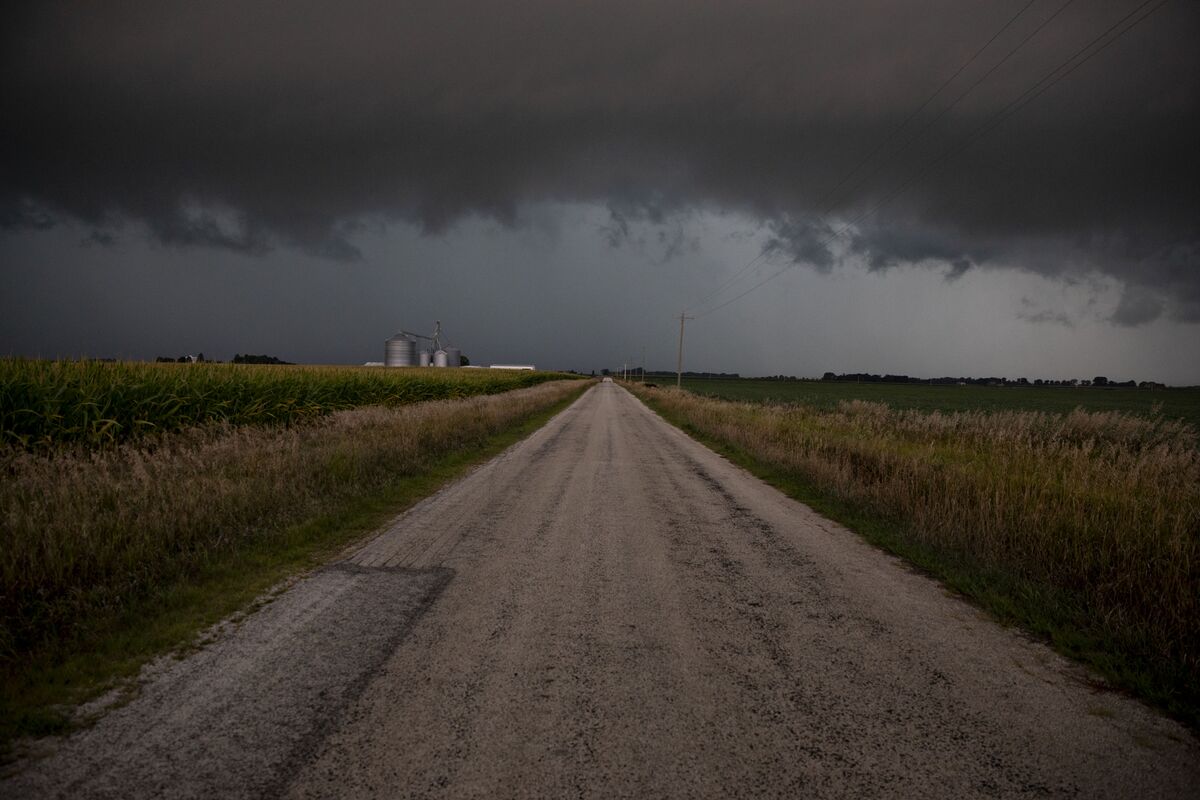
The article warns that AI-driven electricity demand is adding strain to already-aging US power grids, increasing the risk of grid emergencies and service disruptions. It frames a “perfect storm” where AI compounds outage drivers tied to climate/weather and long-delayed grid upgrades. While no specific figures are provided, the message is a cautious risk to utilities and infrastructure reliability.
The market is likely underpricing how much of the AI buildout monetizes through the "picks-and-shovels" layer rather than through power prices themselves. The immediate beneficiaries are not broad utilities, but the companies selling transformers, switchgear, substations, and grid services where lead times are already long and pricing power is improving. That sets up a multi-quarter backlog/estimate-up cycle for names like ETN, HUBB, PWR, VRT, and GEV, while regulated utilities mostly absorb capex first and recover it later through rate cases that can lag 12-24 months.
The second-order loser is the data-center ecosystem that depends on fast interconnection and cheap uptime. Hyperscalers can self-fund on-site generation and PPAs, but smaller colo operators and data-center REITs face higher power procurement costs, more project slippage, and a greater risk of stranded land/lease inventory if grid access becomes the gating factor. In parallel, firm power assets with dispatchability—nuclear, gas peakers, and storage—gain strategic value, but the earnings translation is slower and more policy-dependent than the equipment names.
The contrarian risk is that the consensus treats this as a broad "energy bullish" story when it is really a grid-capacity bottleneck story. If state regulators push back on rate hikes, or if AI firms accelerate behind-the-meter generation, the upside for traditional utilities gets deferred rather than accelerated. Watch for a reversal if interconnection queues clear faster than expected or if demand-response/storage meaningfully caps peak load growth over the next 6-18 months.
AI-powered research, real-time alerts, and portfolio analytics for institutional investors.
Request DemoOverall Sentiment
mildly negative
Sentiment Score
-0.25
