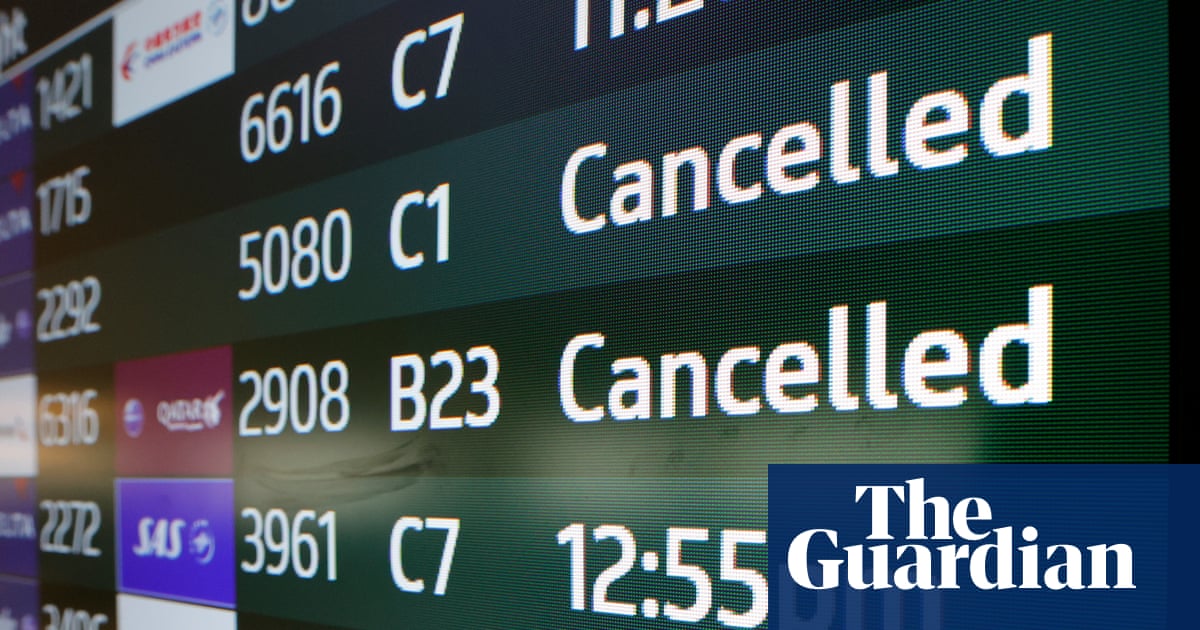
U.S. airlines have canceled over 1,000 flights for two consecutive days due to an FAA order to reduce air traffic, stemming from the ongoing government shutdown and resulting air traffic controller staffing shortages. While initial disruptions have been localized, the FAA plans to escalate flight reductions, raising concerns about widespread economic impact. Analysts warn of potential significant disruptions to holiday retail supply chains due to increased shipping costs, adverse effects on tourism and manufacturing, and broader cascading economic consequences if the shutdown continues.
The ongoing government shutdown has led to significant disruptions in U.S. air travel, with over 1,000 flights canceled daily for two consecutive days under an FAA order. This reduction stems directly from air traffic controller staffing shortages, exacerbated by unpaid work and increased sick calls. While initial impacts have been localized, affecting airports like Charlotte disproportionately, the FAA plans to escalate flight reductions from 4% to 10% of flights at 40 targeted airports by Friday, signaling a worsening situation.
This escalating air traffic slowdown poses substantial economic risks beyond the immediate travel sector. Analysts warn of intensifying upheaval, particularly as the Thanksgiving holiday approaches, impacting cities reliant on tourism and potentially disrupting holiday retail supply chains. Nearly half of all U.S. air freight moves in passenger aircraft bellies, suggesting that sustained flight cuts could lead to higher shipping costs and subsequent inflationary pressures on consumer goods.
The U.S. transportation secretary has indicated that further flight cuts may be necessary if the government shutdown persists, reinforcing a strongly negative sentiment and a pessimistic outlook for the broader economy. This situation creates a cascading effect, threatening tourism, manufacturing, and local tax revenues, underscoring the systemic fragility introduced by prolonged federal operational instability.
AI-powered research, real-time alerts, and portfolio analytics for institutional investors.
Request DemoOverall Sentiment
strongly negative
Sentiment Score
-0.75
