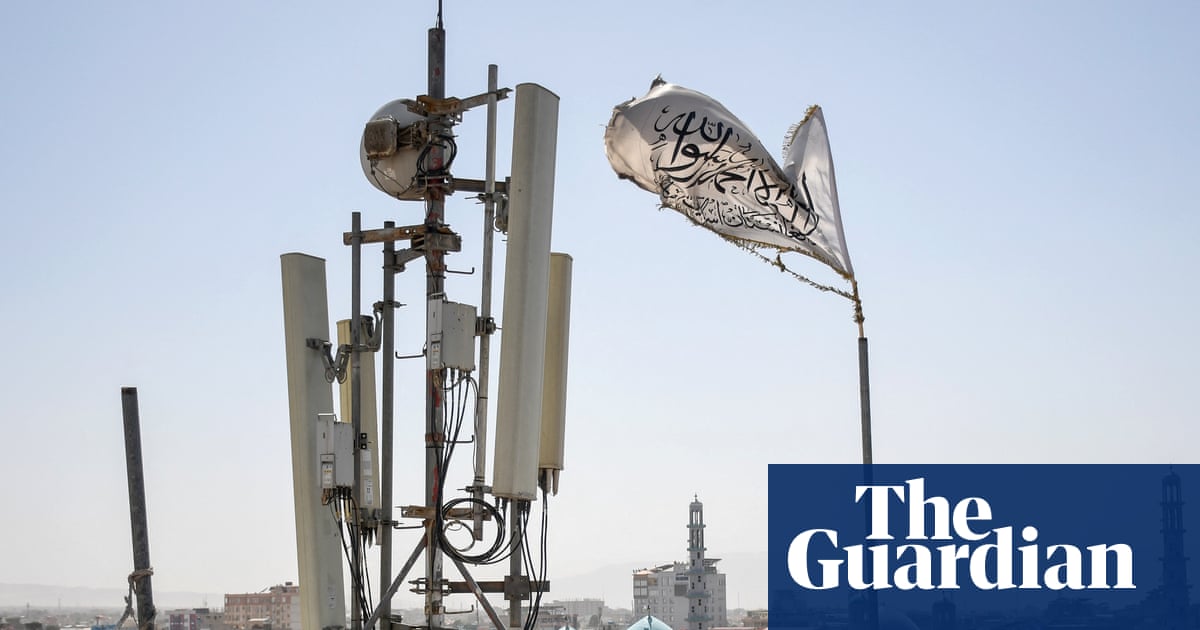
Taliban authorities have implemented a nationwide communications blackout in Afghanistan, intentionally severing fiber-optic connections across several provinces, reducing internet connectivity to just 14% of ordinary levels. This action, justified as a measure to prevent "vice," also impacts mobile and fixed-line telephone services due to shared infrastructure, effectively reversing prior efforts to expand the country's digital connectivity and aligning with the Taliban's broader imposition of restrictions since 2021.
The Taliban administration has engineered a nationwide communications blackout in Afghanistan by intentionally severing fiber-optic connections, causing national internet connectivity to plummet to 14% of its ordinary levels. This action, as monitored by the cybersecurity watchdog Netblocks, also cripples mobile and fixed-line telephone services which share the same infrastructure, effectively isolating the populace. The justification provided by a provincial spokesperson—to prevent "vice"—signals a policy driven by ideology rather than economic or social stability. This move represents a significant regression, dismantling a 9,350-km fiber-optic network that was, as recently as 2024, prioritized by previous governments as a critical tool for economic development and global integration. The event underscores the escalating political and sovereign risk in Afghanistan and is consistent with the broader pattern of restrictive measures imposed by the Taliban since regaining power in 2021, further entrenching the country's isolation from the global community.
AI-powered research, real-time alerts, and portfolio analytics for institutional investors.
Overall Sentiment
extremely negative
Sentiment Score
-0.85
