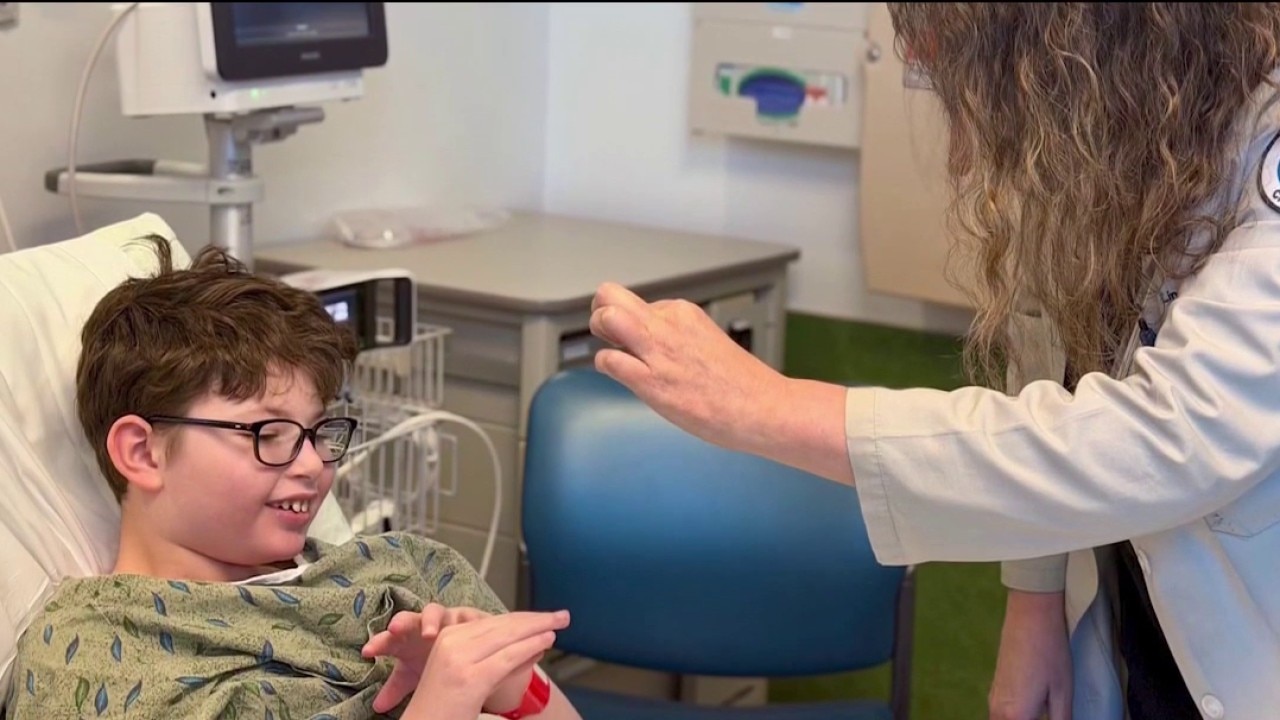
A clinical program of zorevunersen (STK-001), a first-in-class gene-regulation therapy targeting SCN1A for Dravet syndrome, has reported promising phase 1/2 results published in The New England Journal of Medicine and has enrolled 81 patients aged 2–18 (with 75 in extension studies as of last spring). Led in part by clinicians at Lurie Children’s, the program is preparing a one-year Phase 3 trial with plans to submit data to the FDA upon completion; early patient reports indicate substantial seizure reduction and developmental gains, supporting continued late-stage development and regulatory filing prospects.
Market structure: A positive Phase I/II readout for zorevunersen (STK‑001) is a clear idiosyncratic win for Stoke Therapeutics (STOK) and specialty CROs, infusion centers and rare‑disease CMOs that scale repeat dosing; incumbent symptomatic antiseizure drug franchises face gradual demand erosion but limited near‑term margin pressure because Dravet is rare (~low thousands of patients). Orphan pricing power could support $100k+ per patient annualized revenue assumptions in early launch scenarios, giving STOK meaningful pricing leverage versus broad neurology drugs. Cross‑asset: expect outsize moves in small/mid‑cap biotech equities and elevated implied volatility in related options; negligible macro bond/FX impact unless multiple gene therapies read through to broader healthcare inflation concerns.
Risk assessment: Tail risks include Phase III negative or safety signals, CMC/manufacturing failure for repeat infusions, and payer refusal/price caps — any of which can cause >50% equity drawdowns. Time horizons: immediate reaction windows (days) to press releases, critical Phase III readout ~~12 months, and commercialization/payer dynamics 24–48 months. Hidden dependencies: recurring IV dosing every ~4 months implies ongoing manufacturing capacity and recurring revenue but also payer prior‑authorization friction. Key catalysts: interim Phase III data, FDA guidance/meeting outcomes, and major PBM/payer coverage announcements.
Trade implications: Primary direct play is STOK: overweight via equity or long‑dated call spreads sized to 1–3% of portfolio risk; hedge sector beta by pairing with short XBI or IBB. Options: implement 12–24 month call spreads to capture Phase III/approval rerating while selling short‑dated calls post‑positive catalysts to finance cost. Sector rotation: modestly overweight rare‑disease/gene‑modulation small caps and underweight large diversified pharma if capital allocation to precision therapies accelerates; rebalance after Phase III milestones.
AI-powered research, real-time alerts, and portfolio analytics for institutional investors.
Request TrialOverall Sentiment
moderately positive
Sentiment Score
0.45
Contrarian angles: Consensus may underweight payer resistance and small addressable population — limiting upside vs headline optimism; conversely, market may underprice durable cognitive/developmental gains (not just seizure reduction) that materially expand health‑economic value. Historical parallels (Sarepta, Biogen antisense) show large binary repricing on NEJM‑quality data but sustained gains require reimbursement and manufacturing scale. Unintended risks include policy backlash on high orphan pricing that could cap peak sales and multiple compression.
