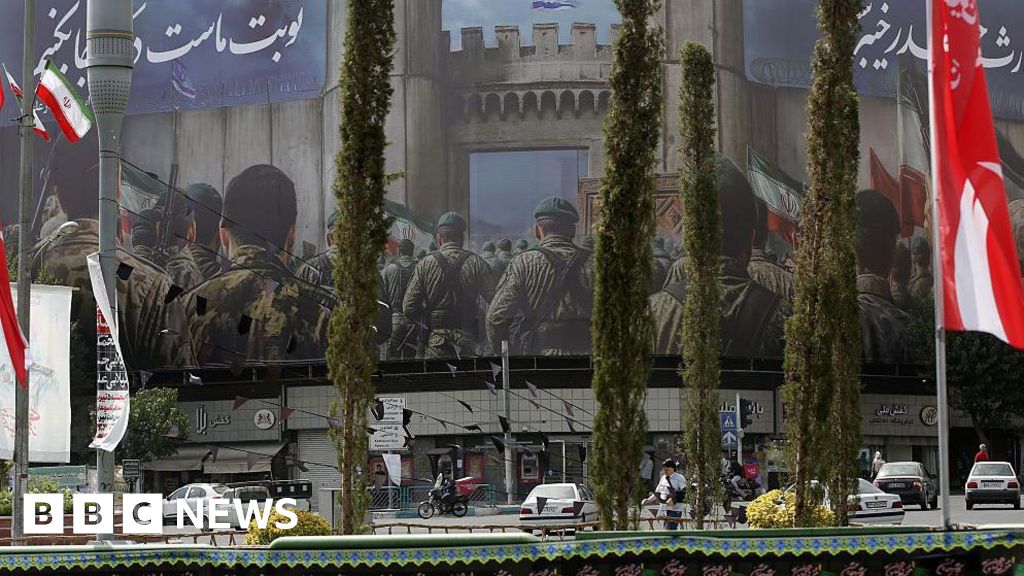
Post-conflict, Iran has initiated a severe internal crackdown, executing at least six individuals and arresting hundreds suspected of Israeli intelligence links, following perceived unprecedented Israeli infiltration and targeted assassinations of IRGC commanders and nuclear scientists. This broad campaign includes aggressive intimidation of foreign Persian-language media journalists and their families, widespread arrests of activists, and internet restrictions, reflecting a strategy to quell dissent and consolidate power. Human rights groups express concerns over forced confessions and unfair trials, fearing intensified internal repression reminiscent of the 1980s.
Iran is executing a severe internal security crackdown in the aftermath of its recent conflict with Israel, responding to what it perceives as an unprecedented infiltration by Israeli intelligence. This campaign, marked by at least six executions and the arrest of over 700 individuals accused of espionage, is officially aimed at neutralizing foreign intelligence networks but also serves to suppress domestic dissent. The targeting has broadened significantly beyond suspected spies to include journalists at foreign Persian-language outlets like BBC Persian and Iran International, whose families in Iran face threats and detention, and activists linked to previous anti-government protests. The government's methods, including severe internet restrictions, forced confessions, and charges of 'enmity against God', mirror tactics from the 1980s, raising concerns among human rights groups of a systematic and brutal consolidation of power. While the immediate market impact is rated as low, these actions signal a deepening of Iran's country risk profile and the potential for an increasingly insular and unpredictable regime, elevating tail risks for regional stability.
AI-powered research, real-time alerts, and portfolio analytics for institutional investors.
Overall Sentiment
extremely negative
Sentiment Score
-0.85
