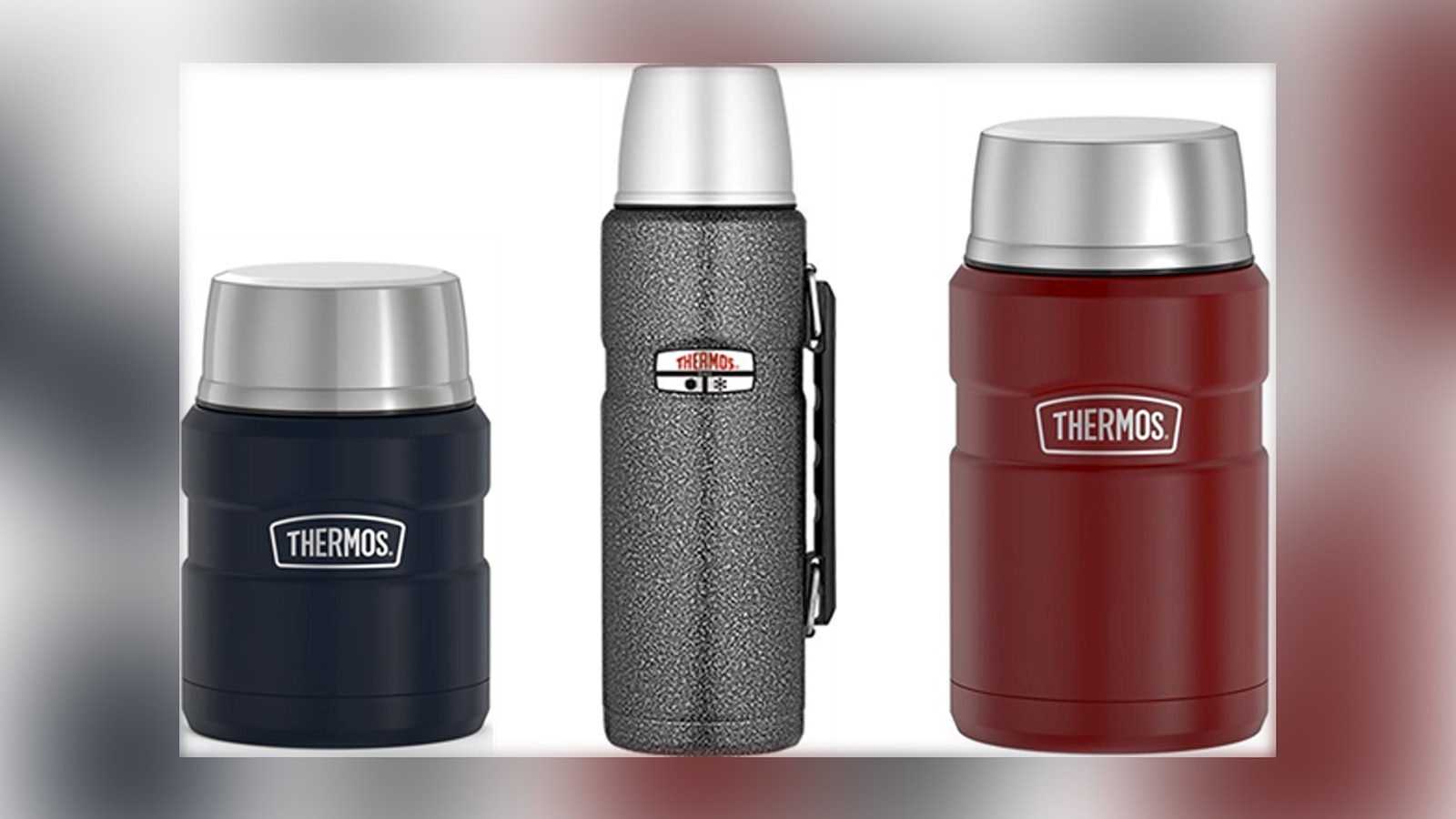
Thermos is recalling more than 8 million insulated jars and bottles after 27 injury reports, including three cases of permanent vision loss from stopples forcefully ejecting on opening. The recall covers 5.8 million Stainless King Food Jars and 2.3 million Sportsman Food & Beverage Bottles sold between March 2008 and July 2024, with remedy steps including replacement stoppers or product returns. The event is negative for Thermos' brand reputation and could pressure retail partners such as Target, Walmart, and Amazon, though the direct market impact is likely limited.
This is not a one-day headline risk; it is a multi-quarter trust event that likely elongates replacement cycles and raises friction on the affected shelf set. The bigger economic hit is reputational leakage into adjacent insulated drinkware categories, where retailers will temporarily overweight safer alternatives and premium private label can win share because the buying decision is low-consideration and easily substituted. For the listed names, the immediate direct revenue loss is probably modest, but the more important second-order effect is store-level compliance drag: returns, customer service contacts, and merchandising resets create small but broad operational noise that can compress near-term category productivity.
The liability vector is more interesting than the product-specific sales hit. The company’s remediation process creates a long tail of claims and administrative costs, and the fact pattern supports higher scrutiny around older inventory, marketplace sellers, and any recall-adjacent product safety processes. That matters for the retailers because they are the point of contact for returns and brand blame even if the manufacturing defect sits elsewhere; in practice, this can slow conversion in kitchen, home, and outdoor aisles and slightly pressure attachment sales around the affected SKUs.
The setup is bearish for sentiment but probably not large enough on its own to move the names materially unless it becomes a broader consumer-safety narrative. The best short-horizon catalyst would be regulatory or plaintiff follow-through that expands attention to handling standards or retail disclosure, while the main reversal case is a fast, clean remediation that caps the story within a few news cycles. If the market overreacts, the cleaner trade is not a directional short on the retailers, but a relative-value expression against peers with less category contamination and less marketplace exposure.
AI-powered research, real-time alerts, and portfolio analytics for institutional investors.
Request DemoOverall Sentiment
strongly negative
Sentiment Score
-0.70
Ticker Sentiment
