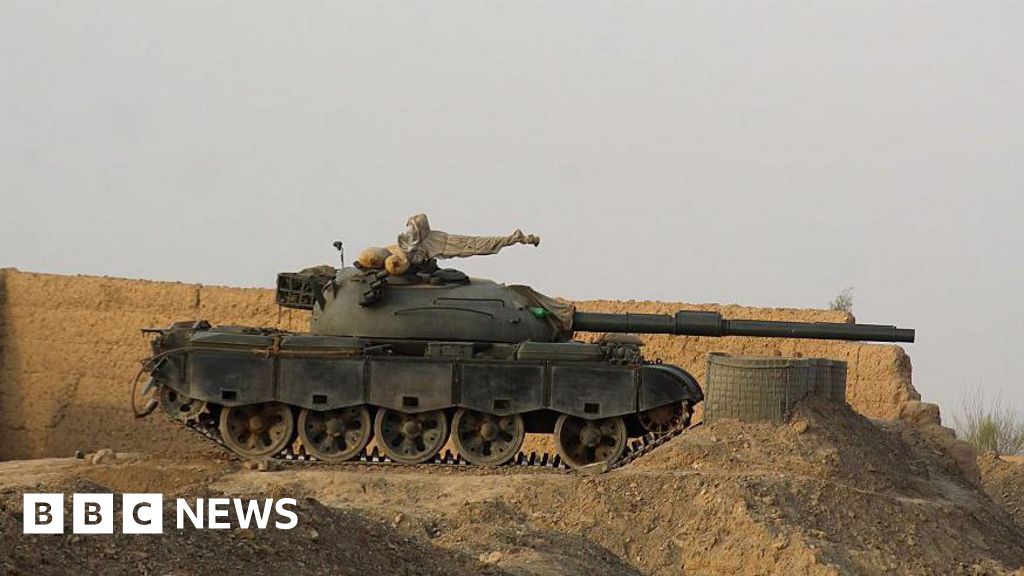
Pakistan declared it is in an "open war" with Afghanistan after Islamabad launched bombing raids on Kabul, Kandahar and Paktika following what it described as Taliban attacks on Pakistani military posts; the Afghan Taliban reported retaliatory strikes and drone operations. Pakistani officials said they thwarted Afghan drones targeting Swabi, Nowshera and Abbottabad, while Kabul-based Taliban sources claim Pakistan struck a refugee camp in Nangarhar; a fragile October ceasefire has collapsed and both sides accuse the other of failing talks. The escalation raises regional geopolitical risk and could pressure Pakistani assets, FX and investor sentiment in neighboring emerging markets if hostilities persist or broaden.
Market structure: The immediate beneficiary is safe-haven assets and short-duration USD liquidity; losers are Pakistan-specific assets (equities, sovereign bonds) and nearby frontier/EM assets that already trade with thin liquidity (likely >3-7% intraday moves). Expect higher bid for gold and USD, widening spreads on Pakistan USD bonds and higher local FX volatility; oil impact is limited but risk premia on regional shipping/insurance could tick up 1-2% near term.
Risk assessment: Tail risks include a sustained cross-border campaign or broader regional state involvement that could force Pakistan sovereign spreads to widen >300–400bps and cause a 15–25% drawdown in PAK-style local ETFs; a low-probability high-impact refugee/energy shock could push gold +5–10% in weeks. Key time horizons: days (risk-off flows, FX knee-jerk), weeks–months (sovereign funding/IMF talks, fiscal stress), quarters+ (military spending reallocation or reconstruction). Hidden dependencies: China/US diplomatic/credit lifelines, remittance flows, and market liquidity are second-order levers that will mute or amplify moves.
Trade implications: Tactical trades favor 1–3% tactical allocations to USD and gold (UUP, GLD) and short Pakistan exposure (PAK ETF or Pakistan local bond funds) for 1–3 month horizon; buy downside protection on EM (EEM) if exposure >2% of portfolio. Use catalyst-based options: 3-month put spreads on PAK/EEM and a VIX call spread to express short-term volatility without term-structure bleed.
Contrarian angles: Consensus will overweight global EM defensive hedges; contrarian opportunity is selective re-entry into beaten-down Pakistan assets if international backstops (IMF/China) materialize — look for CDS tightening or a stabilization of PKR within 7–14 days and PAK ETF stabilizing >-15% for mean-reversion trades. Beware liquidity traps: small-cap Pakistan positions can be hard to exit if escalation persists.
AI-powered research, real-time alerts, and portfolio analytics for institutional investors.
Request DemoOverall Sentiment
moderately negative
Sentiment Score
-0.50
