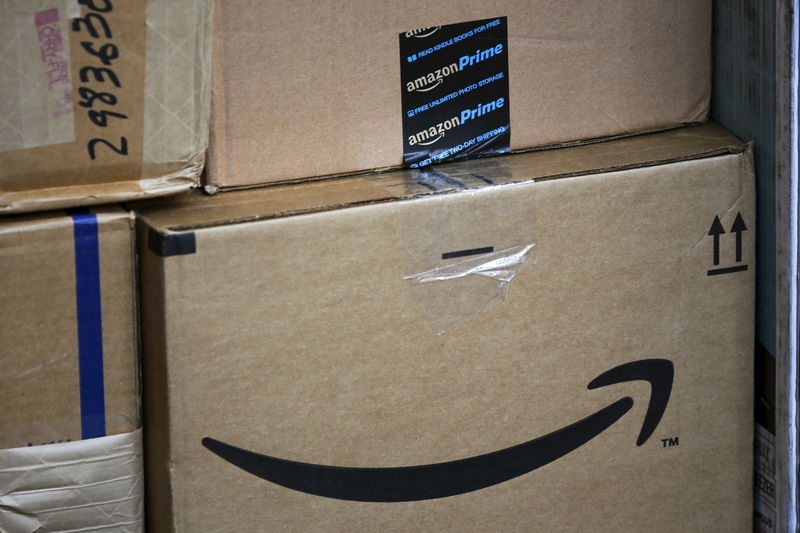
Amazon plans to cut its U.S. Postal Service shipping volume by at least two-thirds by this fall (targeting ≥66%) as its USPS delivery contract expires in October. The USPS handled over 1 billion Amazon packages last year (~15% of domestic volume) and posted a $9 billion net loss in FY2025, risking under‑utilization of recent parcel infrastructure if volume is not replaced. Amazon may accelerate investment in its own delivery fleet — it currently relies on USPS for 30–40% of rural routes — and results of the USPS last‑mile bidding are due in Q2, creating potential 1–3% stock volatility and higher logistics capex or per‑package costs for Amazon.
Amazon’s choice to de-risk reliance on a public last‑mile provider forces it into a near‑term capex and opex tradeoff: accelerate proprietary capacity (vans, sort centers, contractor onboarding) and accept lower free cash flow for 2–4 quarters, or tolerate logistics bill volatility if it stays exposed. Expect a tightening of unit economics that shows up as 50–150bps of incremental SG&A pressure in the next 6–12 months unless Amazon offsets with pricing, selection tweaks in high‑cost geographies, or faster operational automation rollouts.
Second‑order winners include asset and tech vendors that scale a fleet quickly (EV chassis suppliers, telematics/route optimization SaaS, and regional carrier aggregators that can be contracted en masse); losers are organizations whose fixed cost recovery now hinges on replacing large, concentrated volume — creating stranded asset risk and a political narrative that could drive subsidies or rate interventions. The most underappreciated channel: rural routing economics — if Amazon absorbs rural delivery costs it may pull SKU depth and promo intensity in those ZIPs, shifting consumer behavior and retailer competitive dynamics over 12–24 months.
Key catalysts are the bidding outcome in Q2 and any public guidance revisions from Amazon over summer; both can produce sharp 5–15% moves in transport/retail equities as markets re‑price margin durability. Tail risks include a negotiated deal that preserves the incumbent provider’s role (rapidly reversing any sell‑off) or Congressional action to cushion the counterparty, which would compress trading ranges and mute the negative scenario.
Contrarian framing: markets may be pricing a binary permanent shift to full in‑house logistics, but Amazon historically balances internal capacity with third parties to optimize marginal cost; if you believe they will rebalance rather than fully vertically integrate, downside is capped and mean reversion could begin within two quarters of a compromise.
AI-powered research, real-time alerts, and portfolio analytics for institutional investors.
Request DemoOverall Sentiment
mildly negative
Sentiment Score
-0.25
Ticker Sentiment
