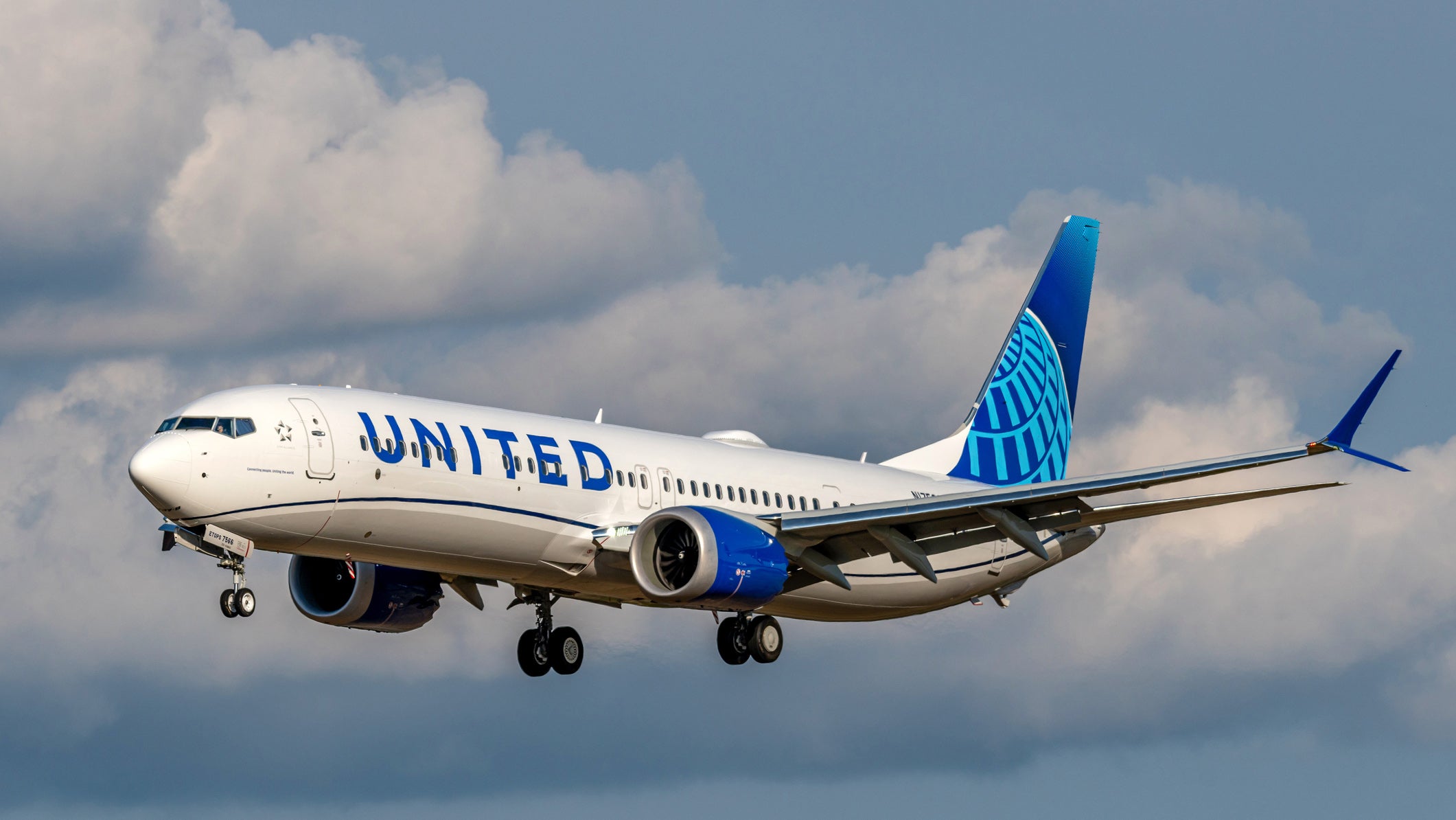
A United Airlines Boeing 737 Max, en route from Denver to Los Angeles, made an emergency landing in Salt Lake City after its windshield fractured at 36,000 feet, reportedly due to a collision with a 2.4-pound weather balloon from Windborne Systems. Windborne has acknowledged the probable impact, expressed concern over the damage and pilot injury, and is implementing software and ballast design modifications to mitigate future risks. The ongoing NTSB investigation highlights potential operational safety and regulatory considerations for airlines and aerospace equipment manufacturers.
The United Airlines (UAL) Boeing 737 Max incident, involving a fractured windshield and emergency landing due to a probable collision with a 2.4-pound Windborne Systems weather balloon, highlights immediate operational risks. Despite the plane landing safely with 134 passengers and six crew, the pilot sustained an injury, which Windborne's CEO deemed "extremely concerning" given the balloon's minimal weight. The National Transportation Safety Board (NTSB) has initiated an investigation, though its progress is currently hampered by a government shutdown.
Windborne Systems has acknowledged the likely impact and is proactively implementing measures to mitigate future occurrences, including software adjustments to minimize balloon time between 30,000 and 40,000 feet, and exploring new ballast designs. The company asserts it follows all Federal Aviation Administration (FAA) regulations and coordinates extensively with the agency, filing notices and sharing live updates. This incident, however, could prompt increased scrutiny on existing regulations for high-altitude scientific or commercial balloon operations.
The general sentiment surrounding this event is moderately negative, specifically impacting UAL with a -0.5 sentiment score, reflecting potential reputational and operational concerns. Boeing (BA) currently shows a neutral sentiment (0.0), suggesting the market views this as an operational incident rather than a manufacturing defect. The overall market impact score of 0.3 indicates a contained reaction, primarily affecting the directly involved entities rather than the broader aviation sector.
AI-powered research, real-time alerts, and portfolio analytics for institutional investors.
Overall Sentiment
moderately negative
Sentiment Score
-0.50
Ticker Sentiment
