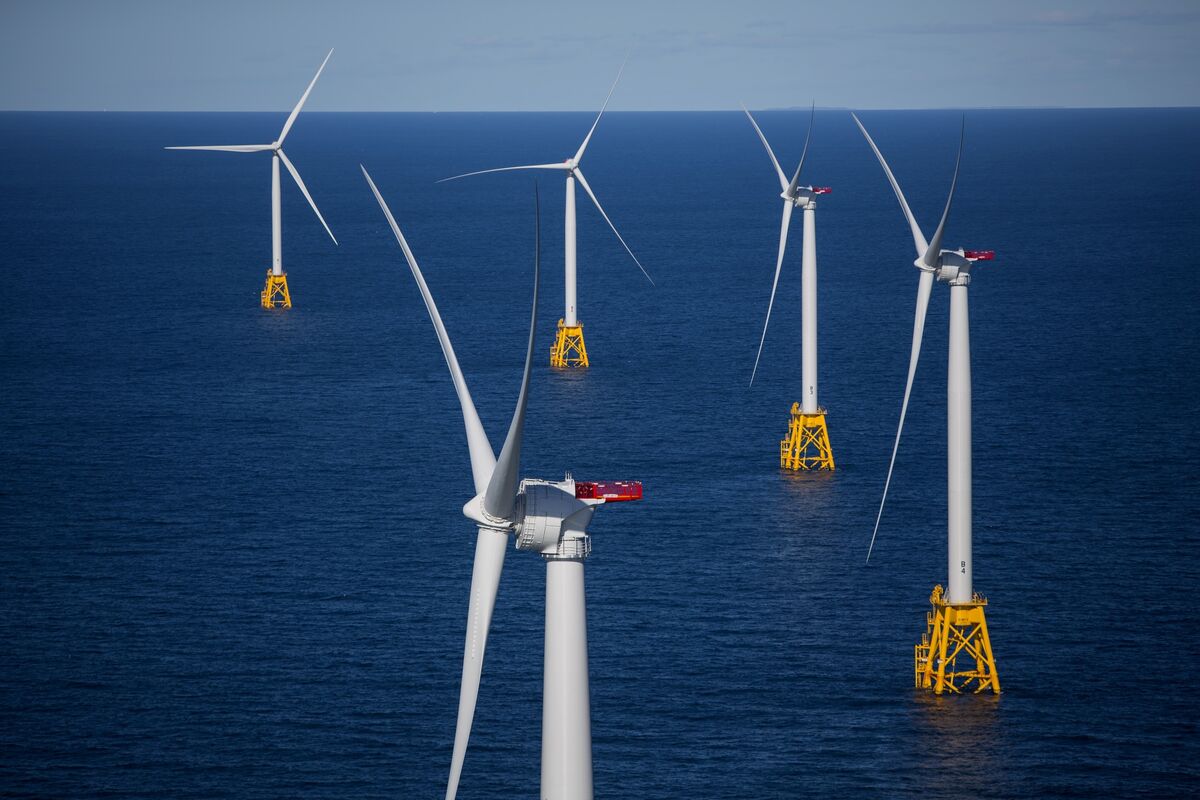
Massachusetts Governor Maura Healey has urged President Trump to cease federal actions targeting offshore wind developments, asserting these 'unprecedented attacks' are imperiling multi-billion dollar projects and associated job creation within the nascent industry, with Massachusetts being a primary focus.
The U.S. offshore wind sector is facing significant political and regulatory headwinds, as highlighted by the public plea from Massachusetts Governor Maura Healey for former President Trump to cease actions aimed at halting industry developments. These actions are described as 'unprecedented attacks' that directly imperil 'multi-billion dollar projects and related jobs,' signaling a tangible threat to capital investment and economic growth in a key renewable energy hub. For a 'nascent' industry reliant on stable, long-term policy for large-scale infrastructure investment, this escalating political friction introduces a high degree of uncertainty. The situation underscores that the viability of the U.S. renewable energy transition, particularly in offshore wind, is deeply intertwined with domestic political outcomes and regulatory stability, a critical consideration for any investor in the ESG and clean energy space.
AI-powered research, real-time alerts, and portfolio analytics for institutional investors.
Request DemoOverall Sentiment
strongly negative
Sentiment Score
-0.65
