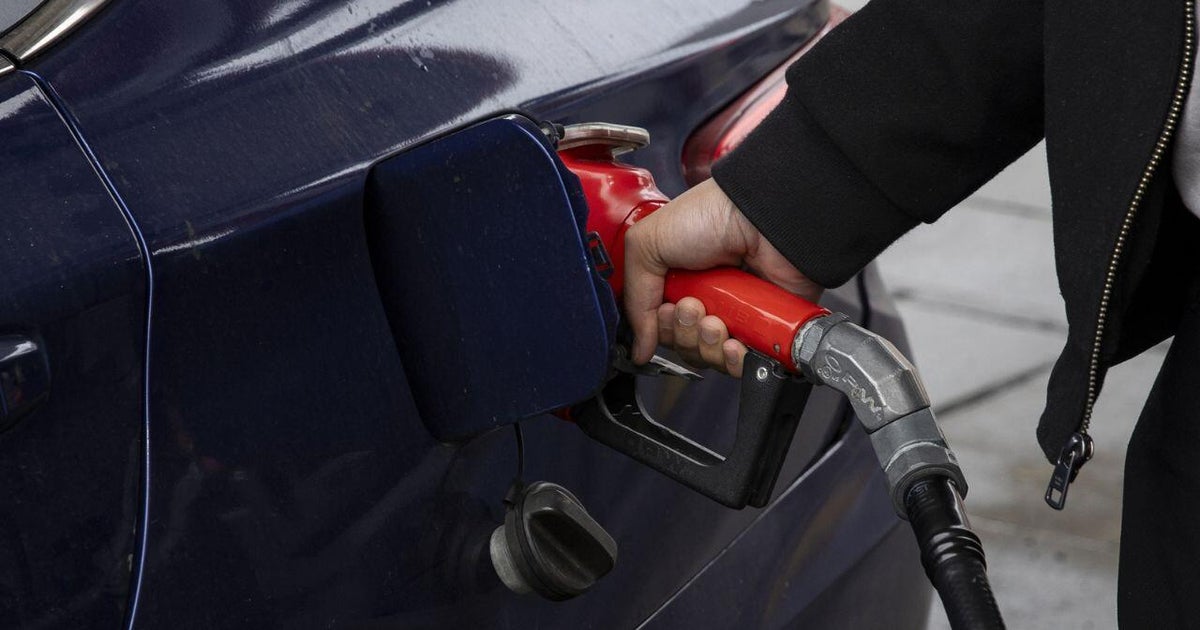
Brent crude swung from nearly $120/bbl to about $85/bbl and remains roughly 20% above pre-conflict levels; WTI is around $80/bbl (up ~25% from $67). The U.S. national average gas price rose to $3.54/gal (up $0.06 day-over-day and over $0.50 since the war began), and gasoline is likely to stay elevated for weeks due to Strait of Hormuz security risks, higher summer-blend costs (~$0.15/gal seasonal uplift) and rising demand.
Retail gasoline is showing asymmetric stickiness versus crude because the bottleneck is downstream: seasonal fuel-spec switching, blending lead times and contract/rack mechanics create a multi-week lag between crude shocks and pump prices. Traders are pricing a stretched crack spread rather than crude per se — that means refiners and storage/tanker owners capture transitory rents while retail consumers bear the lagged sticker shock.
Second-order winners include coastal and Gulf refiners with heavy gasoline yields (they can monetize higher RBOB cracks quickly) and owners/operators of midstream storage and Aframax/LLS tankers that benefit from route diversions and higher short-term freight/insurance premiums. Losers are consumer discretionary and lower-income retail spending power, plus local gasoline retailers with tight working capital who get squeezed by rack-price resets; petrochemical margins may also reprice if gasoline-to-feedstock arbitrage shifts.
Key catalysts and time horizons: days–weeks — geopolitical headlines (Strait of Hormuz incidents, US naval deployments) will swing tanker risk premia and insurance availability and can reverse tanker/rack-driven premiums quickly; weeks–months — the June 1 summer-spec switch and refiners’ run-rate changes determine how long retail stickiness persists; months — SPR releases or sustained diplomatic progress will pull both crude and retail prices lower. The market is arguably overpaying for permanent retail inflation when much of the pain is a temporary downstream re-pricing with a 4–10 week mean-reversion window if shipping normalizes or refiners ramp runs.
AI-powered research, real-time alerts, and portfolio analytics for institutional investors.
Overall Sentiment
mildly negative
Sentiment Score
-0.25
