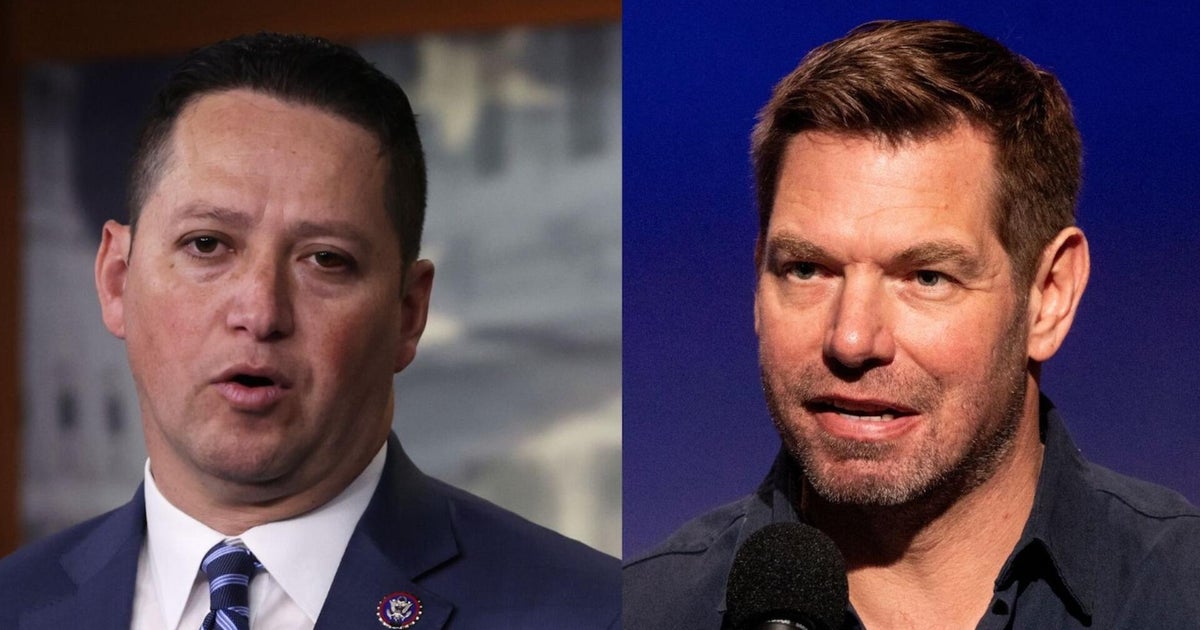
Two House members, Eric Swalwell and Tony Gonzales, resigned on threat of expulsion amid misconduct allegations, after a bipartisan push led by Reps. Anna Paulina Luna and Teresa Leger Fernández. The article also flags potential additional expulsion efforts involving Reps. Cory Mills and Sheila Cherfilus-McCormick, reflecting heightened scrutiny over ethics and governance in Congress. The near-term market impact is limited, though the issue could contribute to broader political and regulatory noise.
This is less a one-off ethics story than a signaling event for the House’s internal enforcement regime. The market implication is for a faster, more punitive governance cycle: once members believe a credible bipartisan coalition can force resignation before a formal vote, the expected cost of misconduct rises nonlinearly and the window to “wait it out” shrinks from months to days. That should increase near-term headline risk for any lawmaker already under investigation, especially where staff-related allegations or documented committee findings exist.
The second-order effect is a shift of power away from leadership and toward ad hoc cross-party coalitions. That makes outcomes harder to handicap because the relevant variable is no longer committee procedure, but whether a small group can assemble the optics and procedural pressure needed to force a preemptive exit. In practice, this raises the probability of surprise vacancies, which can matter for sector-sensitive committees, appropriations timing, and state-specific political leverage rather than for broad market beta.
The contrarian angle is that this is probably not the beginning of a sweeping cleanup; the two-thirds threshold remains a very high bar, so most cases will still stall unless there is unusually clear evidence or coordinated political will. The more realistic base case is selective enforcement in a handful of high-visibility cases, with reputational damage concentrated on incumbents rather than institutions. That means the tradeable edge is not a broad political-risk short, but event-driven exposure around specific names and districts.
Watch for a short fuse: committee findings, press coverage, and any leadership statements can compress the timeline from weeks to days. If this pattern repeats, expect a repricing of members with unresolved ethics overhangs, especially those facing criminal probes or substantiated committee reports, because resignation risk becomes a credible alternative to prolonged process.
AI-powered research, real-time alerts, and portfolio analytics for institutional investors.
Request TrialOverall Sentiment
neutral
Sentiment Score
-0.10
