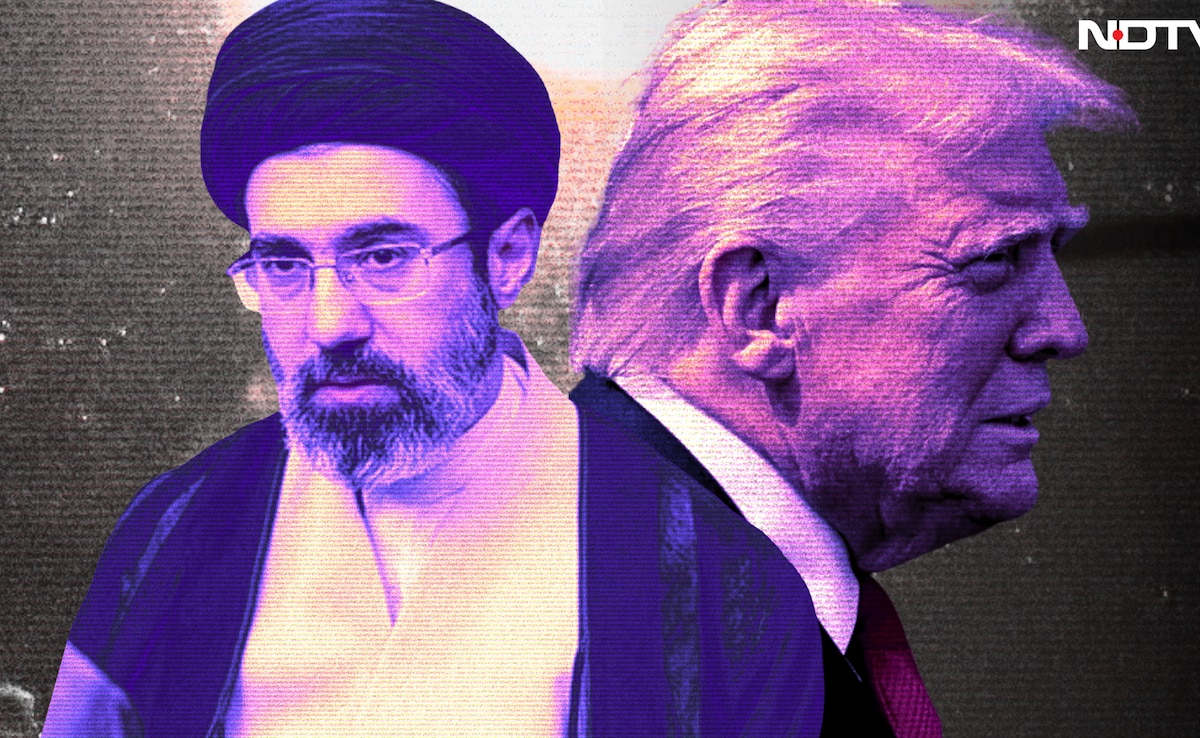
Iran said it is not planning to join a second round of talks with the US, with IRNA blaming Washington's excessive demands, naval blockade, and threatening rhetoric for stalled negotiations. The breakdown comes just days before a ceasefire in the Middle East expires on April 22, while Trump says US negotiators are heading to Pakistan and still sees a chance for a deal. The rhetoric raises near-term geopolitical risk and could pressure regional assets, energy flows, and broader risk sentiment.
The market implication is less about the headline diplomacy and more about the probability distribution of a near-term escalation window. When negotiations are framed as conditional on lifting a blockade while one side is simultaneously tightening coercive measures, the base case shifts from a clean ceasefire extension to a stop-start pattern with periodic kinetic incidents. That raises the odds of a volatility event in crude, freight, and regional defense assets even if outright war remains a low-probability outcome.
The second-order effect is on shipping routes and insurance pricing, not just spot energy. If vessel seizures or interdictions continue, the immediate losers are tanker operators with Middle East exposure, importers dependent on the Gulf corridor, and EM sovereign credits that rely on stable energy transit; the beneficiaries are Western defense primes, maritime surveillance vendors, and exporters with alternative routing optionality. The longer this drags on, the more it creates a structural premium in bunker fuel, war-risk insurance, and inventory buffers across Asian supply chains.
The contrarian angle is that markets may be overfocusing on whether talks happen and underweighting that partial de-escalation can be as disruptive as escalation for prices. A fragile pause often keeps crude elevated without a clean resolution, which is worse for downstream margins than a brief spike followed by normalization. If the ceasefire expires without a clear extension, the first trade is likely a volatility repricing rather than a one-way directional move in oil.
Catalyst timing matters: the next 48-72 hours are about headline risk, while the next 2-6 weeks determine whether this becomes a durable shipping disruption story. Any confirmed deconfliction channel or third-party mediation would compress the risk premium quickly, but absent that, every additional maritime incident increases the chance of retaliatory action and forces discretionary buyers to rebuild security stocks and energy hedges.
AI-powered research, real-time alerts, and portfolio analytics for institutional investors.
Request DemoOverall Sentiment
mildly negative
Sentiment Score
-0.35
