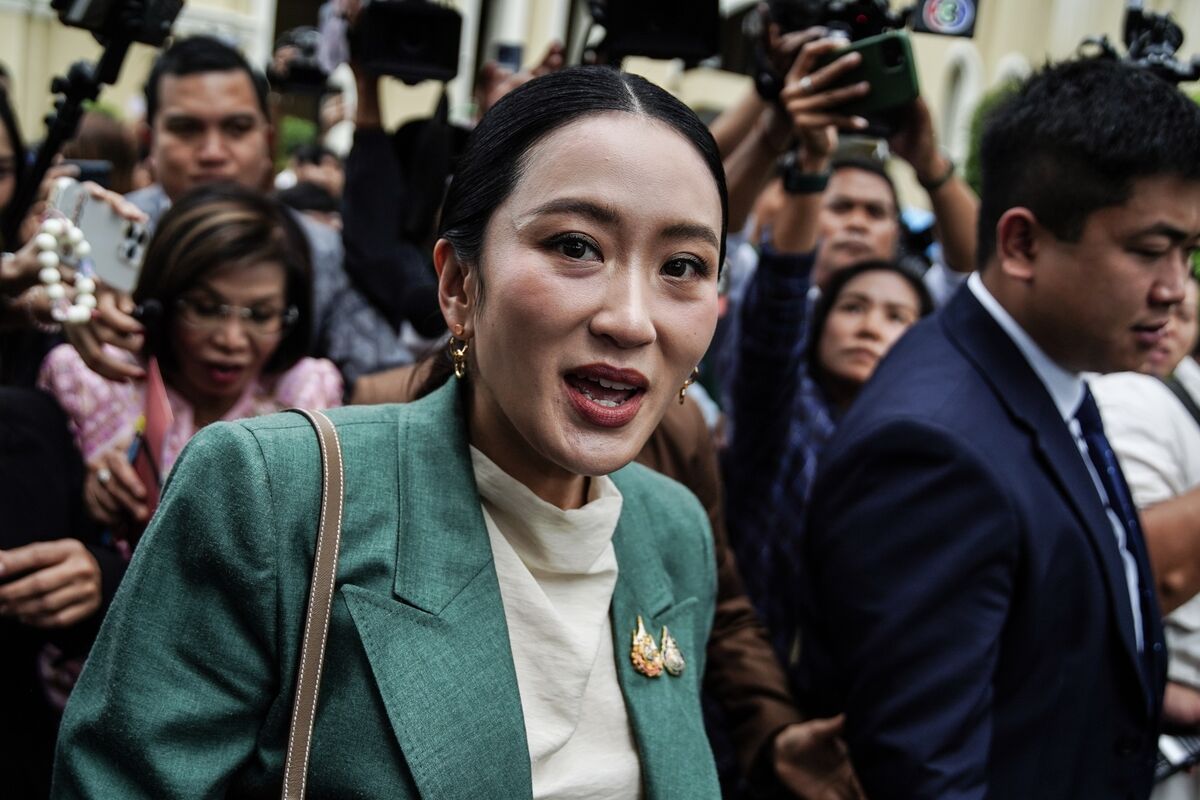
Thailand's Constitutional Court has set a final August 4 deadline for suspended Prime Minister Paetongtarn Shinawatra to file her defense in an ethics case, which could result in her ouster over a border dispute. This definitive court action highlights persistent political instability in Thailand, with potential implications for the country's leadership and policy continuity.
Thailand's political landscape faces a critical inflection point as the Constitutional Court has mandated a final, non-negotiable deadline of August 4 for suspended Prime Minister Paetongtarn Shinawatra to submit her defense. This legal proceeding, centered on an ethics case, introduces significant near-term uncertainty, as a negative outcome could lead to her formal ouster and trigger a leadership transition. The court's firm stance, stating it will proceed regardless of a submission, underscores the gravity of the situation and removes any ambiguity about the timeline. While the provided market signals indicate a neutral sentiment and a low immediate market impact score of 0.15, this suggests investors may have already priced in a degree of political risk or are adopting a 'wait-and-see' approach. Nonetheless, the event highlights persistent political instability and raises material questions about policy continuity and governance stability in the country.
AI-powered research, real-time alerts, and portfolio analytics for institutional investors.
Request DemoOverall Sentiment
neutral
Sentiment Score
0.00
