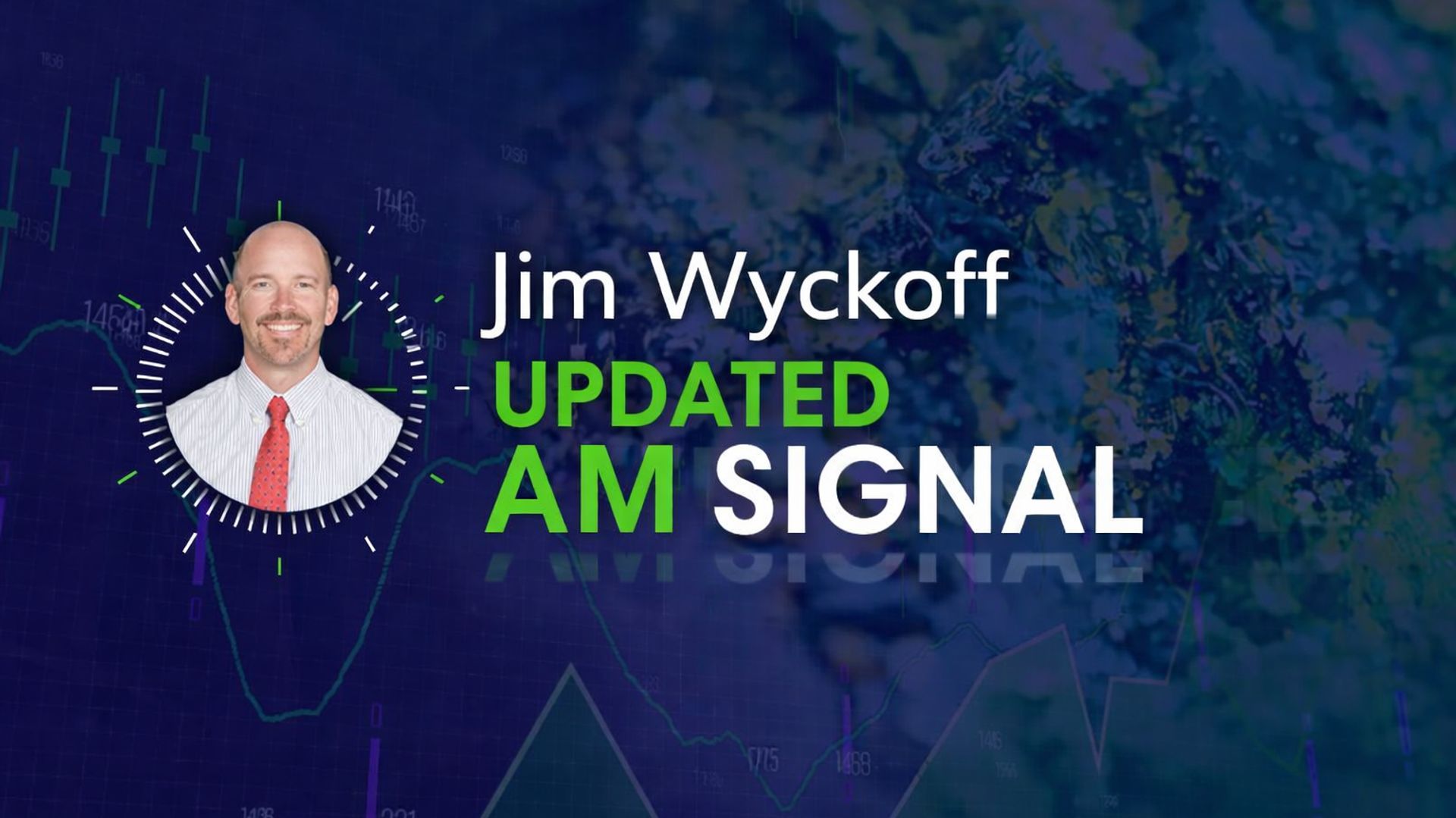
Jim Wyckoff is a market analyst and financial journalist with more than 25 years covering stock, financial and commodity markets, including reporting on U.S. futures trading floors in Chicago and New York. His background includes roles at FWN newswire, Dow Jones Newswires, TraderPlanet.com, Pro Farmer and CapitalistEdge.com; he publishes AM/PM roundups and a daily Technical Special on Kitco.com and holds a journalism and economics degree from Iowa State University. His work focuses on technical analysis and commodity futures, making him a recurrent source of market technicals and trader-oriented commentary.
Market structure: the presence of active technical/futures commentary implies markets are increasingly driven by flow, liquidity and short-term momentum — winners are electronic brokers, CTAs, options market‑makers and ETF issuers (GLD, USO, DBA) capturing spreads; losers are long‑only commodity holders and cash market participants who face basis/roll cost. Pricing power shifts to participants who control execution and inventory (storage/terminals), which can widen effective bid‑ask and create transient dislocations of 3–8% vs. physical value during stress.
Risk assessment: tail risks include regulatory action on high‑frequency trading or position limits, delivery squeezes in thin contract months and abrupt margin shocks that can force liquidations (low probability, high impact). In days–weeks, watch orderbook and open interest for volatility spikes around economic and supply reports; over quarters–years, structural inflation, energy transition and inventory rebuilding drive real returns. Hidden dependencies include cross‑margin effects and ETF roll yields (contango costs >3%/month amplify losses).
Trade implications: favor nimble, flow‑aware trades — small, defined‑risk positions in metal and producer equities and short exposure to contangoed oil ETFs. Use relative value between miners and bullion, and volatility plays around USDA/EIA releases; expect 1–3% portfolio allocations per idea with stop losses at 4–6% and 3‑month holding horizons. Monitor open interest, front‑month basis, and ETF roll yield as entry/exit signals.
Contrarian angles: consensus underestimates mean reversion after momentum squeezes — crowded long commodity futures can flip quickly as margin calls arrive. Historical parallels (WTI April 2020, 2008 squeezes) show that physical tightness can be ephemeral; therefore prefer option-defined risk or miner equities that offer leverage to commodity moves rather than outright long futures exposure.
AI-powered research, real-time alerts, and portfolio analytics for institutional investors.
Request TrialOverall Sentiment
neutral
Sentiment Score
0.00
