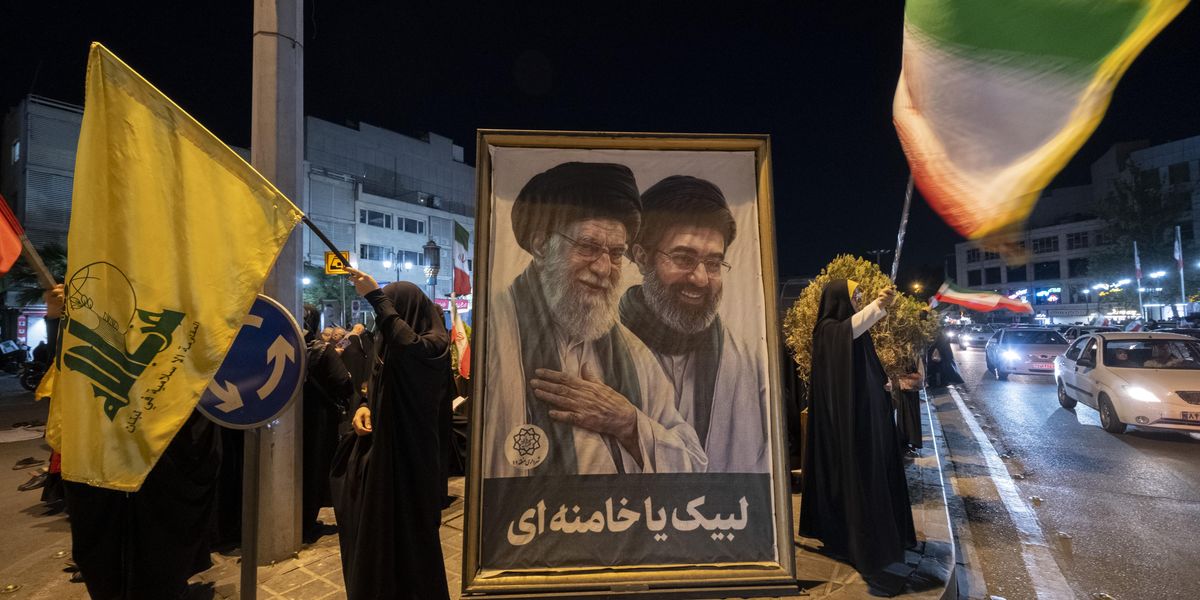
The article describes a fragile US-Iran ceasefire amid continued exchanges of fire in the Persian Gulf, with possible deaths of up to four IRGC naval personnel. It warns that Israel’s actions in Lebanon could derail any broader regional agreement and raise the risk of renewed escalation across the Gulf. It also highlights a potential Iran-UAE retaliation framework that could put the UAE, Israel, and broader GCC stability at risk.
The key market implication is not a headline risk-off spike, but a slow-burn increase in the probability of asymmetric Gulf retaliation if Israel and Iran remain decoupled under any US-brokered pause. That matters because the UAE sits at the intersection of air/maritime logistics, regional capital flows, and Israel-linked normalization risk; even a low-probability strike there would pressure freight, insurance, and regional equity beta far more than the direct energy tape initially suggests. The first-order winner is the US security umbrella trade, but the second-order loser is the credibility of Gulf de-escalation as a growth strategy. The more important catalyst window is 2-8 weeks, not days: that is the period in which an agreement can appear stable while Israel gradually reopens a Lebanon channel and Iran searches for a proportional response that preserves the deal. If Tehran opts for calibrated pressure on Emirati territory or Israeli-linked assets, the market will likely reprice in two steps: higher Gulf CDS and shipping premia first, then a broader pullback in regional equities and real estate proxies. The tail risk is a misread by Washington that turns a contained violation into a regional escalation cycle faster than diplomacy can react. Contrarianly, the consensus may be underestimating how much of this is already priced into crude, while underpricing the knock-on impact to non-energy Gulf beneficiaries. The UAE has marketed itself as the safe-haven hub of the region; that premium can compress quickly if investors conclude it is now a deliberate proxy target rather than a neutral venue. Conversely, if Washington does enforce Israeli compliance, the unwind could be sharp and favor mean reversion longs in Gulf cyclicals and logistics within days to weeks.
AI-powered research, real-time alerts, and portfolio analytics for institutional investors.
Request DemoOverall Sentiment
moderately negative
Sentiment Score
-0.40
Ticker Sentiment
