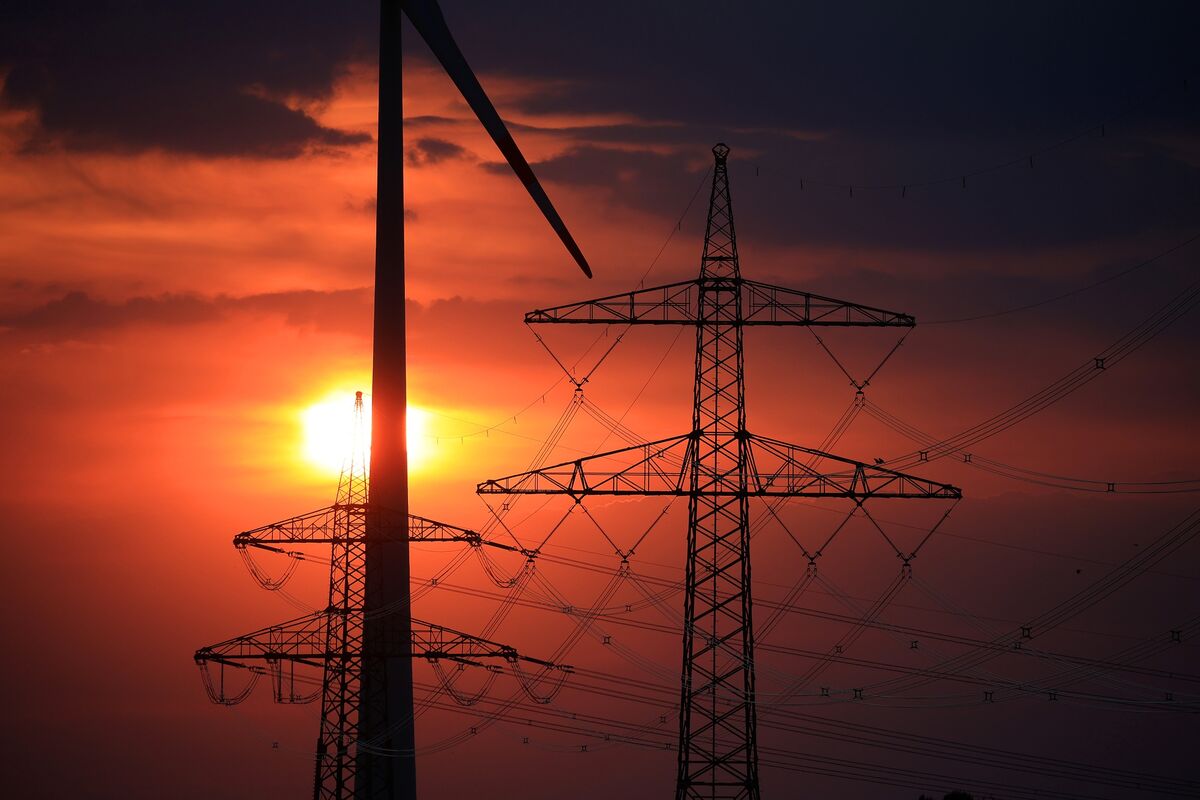
German evening power prices on Epex Spot SE surged above €400/MWh, reaching their highest level since December, driven by a sharp decline in wind power output to an anticipated 2.2 GW. This necessitates increased reliance on more expensive gas-fired generation, underscoring the volatility introduced by renewable intermittency in energy markets.
German evening spot electricity prices have surged to their highest level since December, with the hourly rate on the Epex Spot SE exchange exceeding €400 per megawatt-hour. This significant price spike is directly caused by a forecasted plunge in wind power generation, which is anticipated to drop to as low as 2.2 gigawatts. As wind is typically Germany's largest single power source, the shortfall necessitates dispatching more expensive gas-fired power plants to meet demand, thereby driving up the marginal cost of electricity. This event starkly illustrates the price volatility inherent in energy markets with high penetration of intermittent renewables and underscores the critical role and economic value of reliable backup generation capacity during periods of low renewable output. The market's 'strongly negative' sentiment reflects the economic pressure of such extreme price movements.
AI-powered research, real-time alerts, and portfolio analytics for institutional investors.
Request DemoOverall Sentiment
strongly negative
Sentiment Score
-0.70
