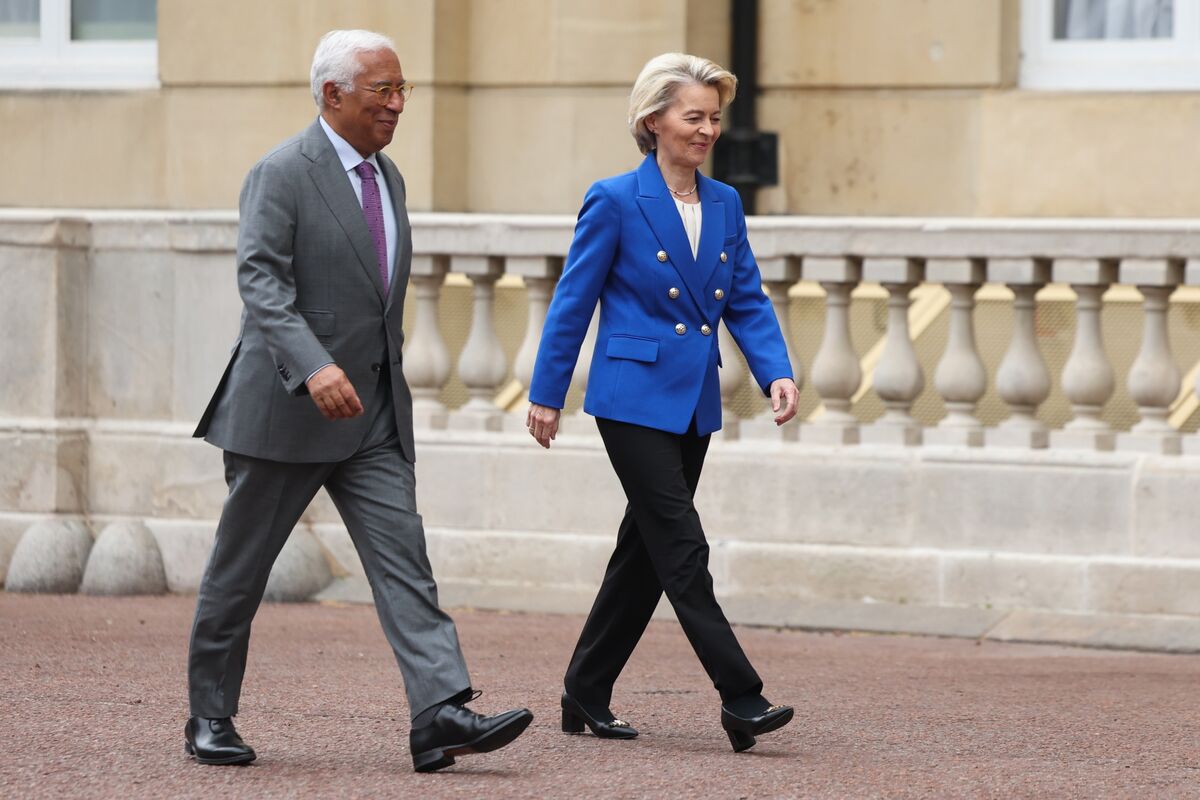
EU leaders are set to meet with Japanese and Chinese counterparts this week, with markedly divergent expectations for the outcomes. High hopes are placed on discussions with Japan for enhanced defense and trade cooperation, contrasting sharply with limited expectations for substantive progress from the summit in Beijing. This underscores the EU's differentiated strategic approach to its key Asian relationships.
The European Union is pursuing a distinctly bifurcated diplomatic and economic strategy in Asia, underscored by the divergent expectations for its upcoming summits in Tokyo and Beijing. A high probability is being placed on tangible progress with Japan, specifically targeting enhanced defense and trade cooperation, signaling a deepening strategic alignment. In stark contrast, the engagements with Chinese leadership are framed by minimal expectations for substantive outcomes, reflecting a more cautious or strained relationship. This divergence, captured by a mildly negative overall sentiment score, suggests that while the EU is solidifying alliances with democratic partners in the region, persistent geopolitical and trade frictions continue to temper its outlook on China. The low market impact score indicates that this dynamic is largely priced in by markets, but the summits remain a key data point for assessing the trajectory of global trade and supply chain policies.
AI-powered research, real-time alerts, and portfolio analytics for institutional investors.
Request DemoOverall Sentiment
mildly negative
Sentiment Score
-0.20
