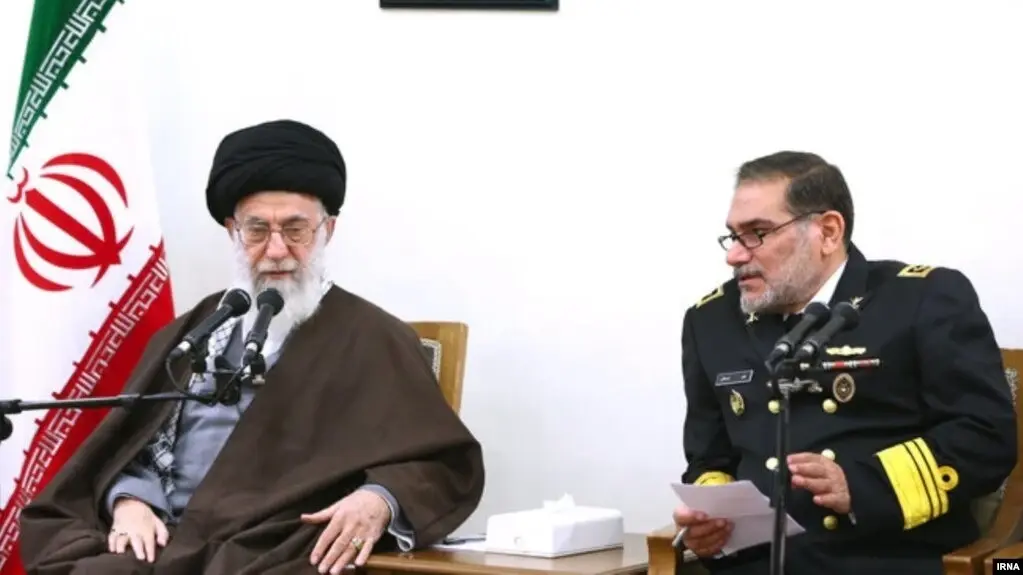
A Saudi royal official has publicly called for the physical elimination of Iran’s Supreme Leader Ali Khamenei and senior security commanders to force regime change, while conservative Iranian state media published a ‘target bank’ naming U.S. bases, Gulf-based assets linked to the Trump family, regional partners such as Jordan, and energy infrastructure as legitimate targets. The rhetoric signals a credible risk of coordinated, multi-front escalation that could disrupt Gulf oil exports, international shipping lanes and prompt reprisals that would spike volatility in energy markets, defense equities and regional FX, while increasing war-risk premiums. Monitor oil prices, shipping/insurance war-risk indicators, defense contractor flows, Gulf asset security developments and any rapid changes in U.S. or allied military posture or sanctions policy for trading and hedging decisions.
Market structure: Clear winners are defense primes (LMT, NOC, GD) and hydrocarbon exporters/OEMs that can re-route supply (Saudi Aramco equivalents, US shale service names) while losers include Gulf tourism/real-estate exposure, airlines (AAL, DAL), and regional banks. Pricing power shifts to producers and insurers—war-risk premiums on tankers and field insurance can add 2–8% to delivered oil costs and prompt OPEC+ to tighten supply, supporting a 10–30% near-term upside in Brent/WTI if incidents escalate.
Risk assessment: Tail scenarios include a decapitation strike triggering a 5–15% physical oil outage (WTI spike to >$120, +30–80%) or a limited tit-for-tat that produces a 5–10% transient price shock; probability of full regional conflagration is low but payoff is extreme. Immediate (days) effects: safe-haven flows to USD, gold (GLD) and 10y Treasuries (TLT), vols +VIX 20–50%; short-term (weeks–months): defense rerating and energy capex reallocation; long-term: structural higher defense budgets and energy diversification for quarters–years.
Trade implications: Favor convex, defined-risk buys on energy and defense while hedging macro. Monitor catalysts (attack on energy infrastructure, tanker losses, insurance premium >+200–300% YoY, Brent >+10% in 7 days) to scale exposure. Hidden dependencies include China/Russia diplomatic moves, tanker routing costs, and secondary sanctions that can freeze Gulf capital flows.
Contrarian angles: The market often overshoots initial supply shocks—historical parallels (2019 tanker incidents) show 2–8 week spikes then mean reversion; if Brent >$110 or no kinetic escalation within 60 days, reduce directional energy risk by 50% and rotate into defensive cyclicals and energy services with backlog (OIH names). Defense equities may already price a premium—prefer sustainers (MRO, suppliers) over long-dated binary plays.
AI-powered research, real-time alerts, and portfolio analytics for institutional investors.
Request DemoOverall Sentiment
strongly negative
Sentiment Score
-0.78
