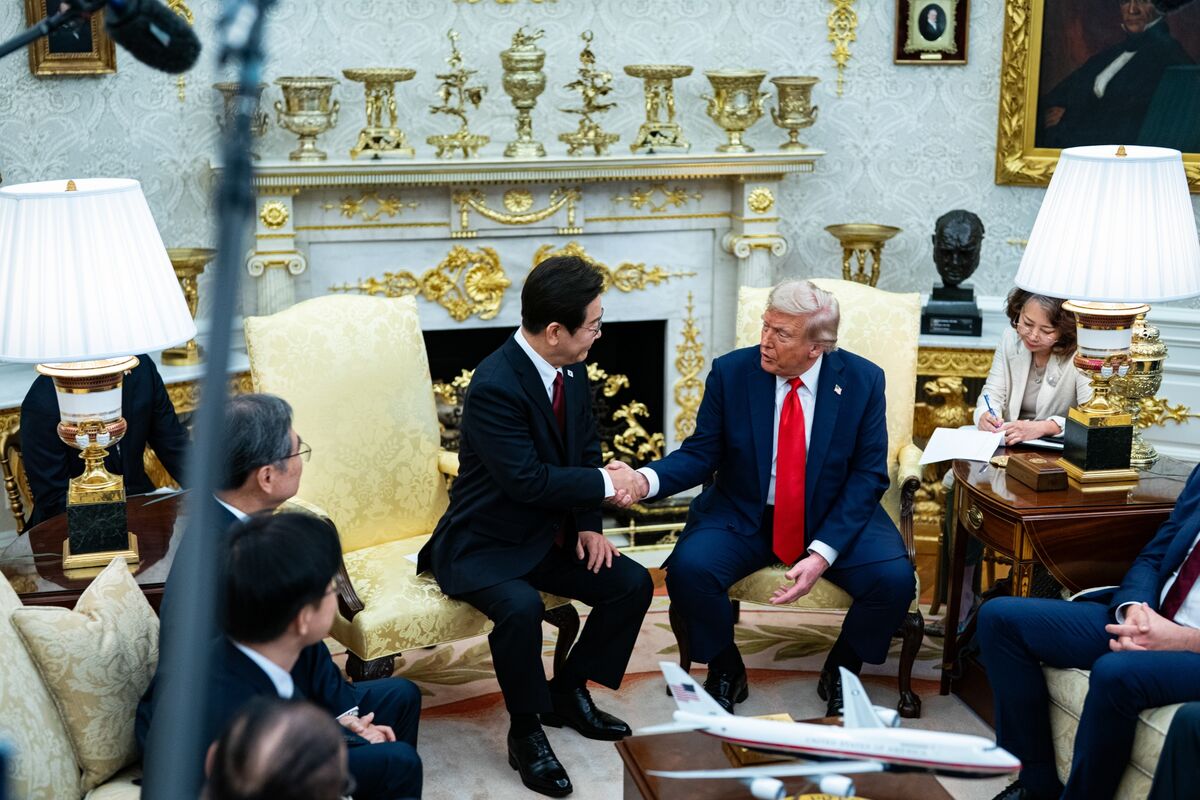
South Korean firms are facing a challenging new operating environment in the US, driven by policy shifts attributed to the Trump administration. Chipmakers Samsung and SK Hynix now require annual US approval for specific quantities of restricted supplies to their China operations, replacing prior open-ended permits. Concurrently, LG Energy Solution and Hyundai's Georgia battery plant endured a significant immigration raid, raising concerns over the profitability of South Korean US investments and deterring future expansion plans.
Major South Korean corporations are confronting a significant escalation in operational and regulatory risks within the United States. In the semiconductor sector, Samsung and SK Hynix have seen their Biden-era open-ended permits for shipping chipmaking supplies to China revoked. A proposed compromise introduces a more complex annual approval process, requiring exact quantities of restricted materials to be cleared by Washington. While this creates a pathway for their Chinese factories to continue operating, it injects considerable uncertainty and administrative burden into their supply chains. Simultaneously, the automotive and battery sectors are facing direct enforcement actions, exemplified by a historically large immigration raid on the LG Energy Solution and Hyundai battery joint venture near Savannah, Georgia. This event, which included images of shackled workers, has reportedly shocked stakeholders in South Korea and raises immediate concerns about the profitability of US investments and the potential deterrence of future expansion plans, directly contradicting recent pledges of substantial investment.
AI-powered research, real-time alerts, and portfolio analytics for institutional investors.
Overall Sentiment
strongly negative
Sentiment Score
-0.65
