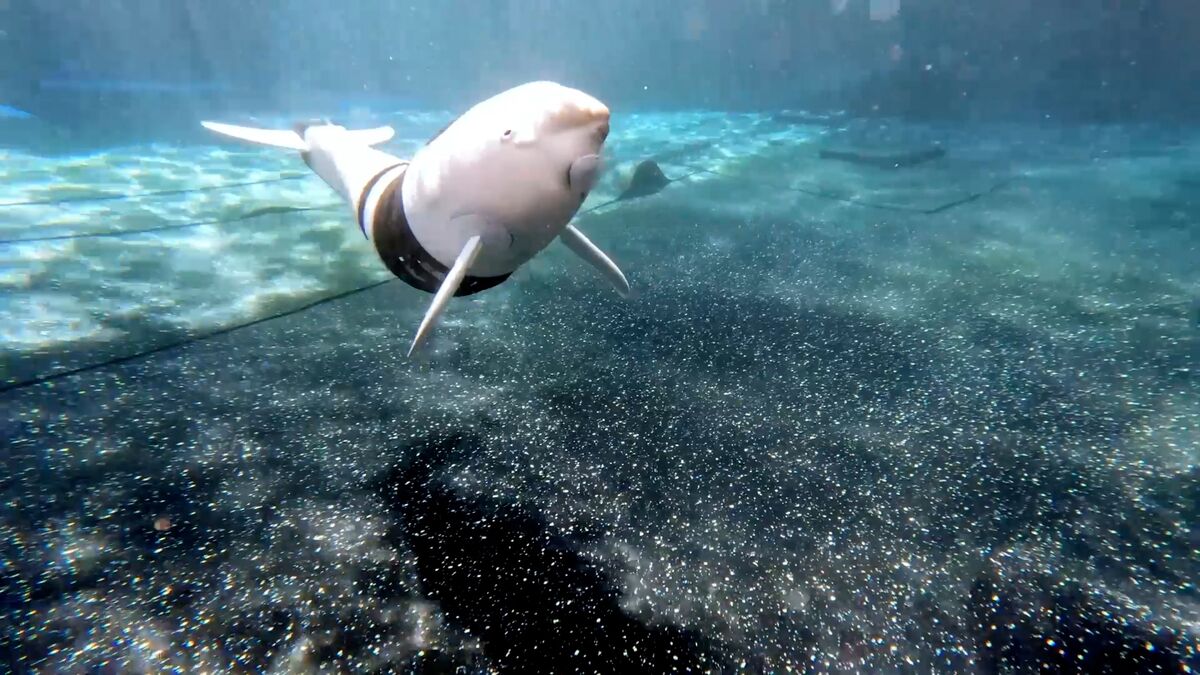
Disney is advancing park-technology upgrades under its $60 billion, 10-year parks and resorts investment plan, including a wooden manta ray robot prototype that could become a Gramma Tala character from Moana and later a fleet of dolphin-like robots. The company is also exploring Star Wars-themed hovering droids and projection-based effects for Pirates of the Caribbean, signaling continued innovation in park experiences. The article is constructive for Disney’s parks and entertainment franchise strategy, though it is early-stage and unlikely to move the stock near term.
This is less about a gimmicky robot story and more about Disney treating parks as a software-and-automation platform with a much higher renewal rate. The key second-order effect is margin leverage: once a character system or ride effect is engineered, the marginal cost of reusing it across IPs and geographies drops sharply, which should improve return on incremental park capex over a 3-5 year horizon. That makes the $60B spend more defensible than a pure capacity expansion because it can lift per-capita spend through novelty while also supporting pricing power.
The competitive implication is that Disney is widening the moat against regional operators and cruise/entertainment alternatives that cannot easily match proprietary character integration or animatronic density. The more important supply-chain beneficiaries may be niche robotics, hydrofoil, motion-control, and projection systems vendors rather than the obvious theme-park names; this is a quiet buildout that can create multi-year procurement demand. A less obvious loser is any park concept that relies on static IP experiences — Disney is raising consumer expectations for immersion, which raises the bar for Universal and other premium attractions.
The market risk is execution and timing. These projects are impressive but likely contribute more to sentiment than near-term earnings; if capex runs ahead of monetization, free cash flow could look pressured for several quarters before the revenue uplift appears. The catalyst window is months-to-years, not days: watch for iterative rollouts, patent filings, vendor disclosures, and evidence that new effects are lifting attendance, dwell time, or merchandise attachment rates.
Consensus may be underestimating how much this can re-rate the parks business from a cyclical leisure asset into a higher-quality experiential platform. If Disney proves it can amortize these systems across Moana, Star Wars, and Pirates, the multiple expansion case comes from smoother earnings and less dependence on a single blockbuster release cycle. The flip side is that if the tech looks fragile or maintenance-heavy, the narrative quickly shifts from innovation to capex bloat, which would compress investor patience long before the economics fully show up.
AI-powered research, real-time alerts, and portfolio analytics for institutional investors.
Request DemoOverall Sentiment
mildly positive
Sentiment Score
0.20
Ticker Sentiment
