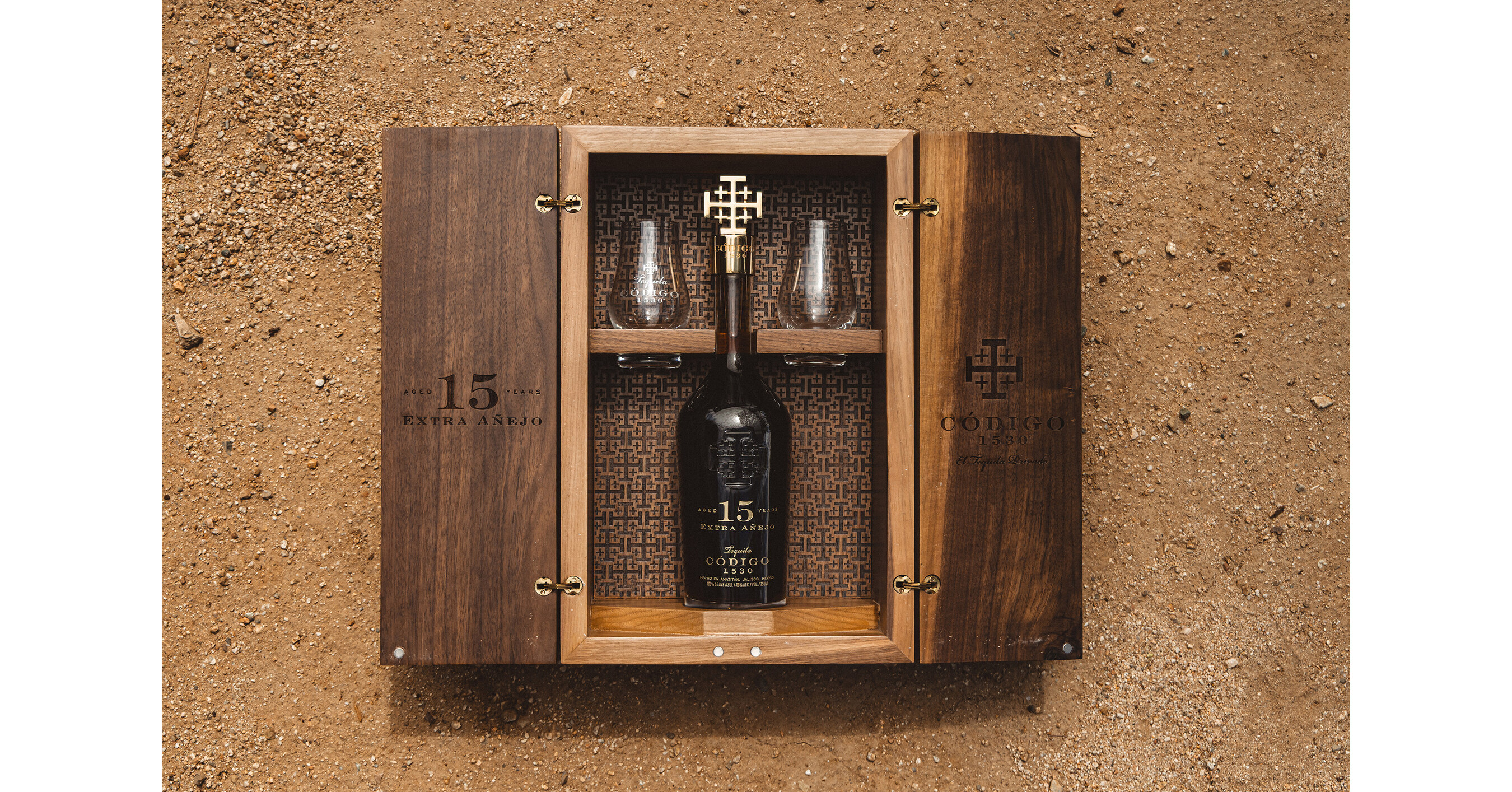
Código 1530 launched a new 15-Year Extra Añejo ultra-premium tequila limited to 350 bottles worldwide, aged 15 years in French white oak Cabernet barrels and finished 6 months in French Cognac casks. Each 750mL bottle is individually numbered, bottled at 40% ABV, and priced at a suggested $4,100 in the US and select retailers. The news is primarily product/brand expansion with limited immediate market impact.
This is a marketing event, not an earnings event. The only economically relevant read-through is for premium-tequila brand architecture: a scarce, trophy-style SKU can support pricing power and trade-up halo across the broader agave portfolio, but the direct contribution to revenue or EBIT is immaterial. For Pernod Ricard, the upside is mostly defensive—protecting prestige perception in a category where shelf space and bartender advocacy matter more than unit volume.
The competitive second-order effect is that it nudges the luxury end of tequila further toward collector economics, which can widen the gap versus mainstream premium offerings and reinforce the moat around established super-premium names like DEO and BF.B’s tequila exposure. But this kind of release can also be a sign of a mature category leaning on scarcity rather than repeatable consumption, which is usually late-cycle behavior in spirits. If broader U.S. spirits demand remains soft, these halo launches do not offset depletions pressure at the core portfolio.
Time horizon matters: the immediate trade is basically none; over 1-3 months, watch distributor reorders and on-premise menu placement for evidence the halo translates into velocity for Código/Avión-type labels; over 6-18 months, the relevant question is whether premium agave continues to take share from whiskey and vodka or whether consumers trade down. The thesis is falsified if Pernod’s tequila depletion trends fail to accelerate into the next two reporting cycles or if category pricing gets pushed back by value-conscious consumers.
Contrarian view: the market often overvalues ultra-limited releases because they generate PR, but the P&L effect is usually embedded in owned-media marketing spend rather than incremental margin. If anything, the more important signal is whether Pernod keeps inventing high-end variants to maintain relevance, which would imply the category needs narrative support. That is bullish for brand salience, not necessarily for near-term operating leverage.
AI-powered research, real-time alerts, and portfolio analytics for institutional investors.
Request DemoOverall Sentiment
mildly positive
Sentiment Score
0.25
Ticker Sentiment
