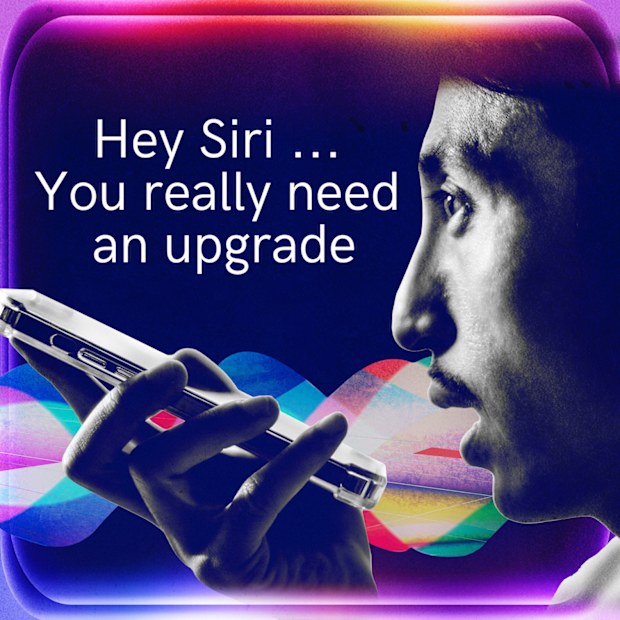
Apple is reportedly sending many Siri developers to a special coding boot camp to learn how to use AI to speed up development of the next-generation voice assistant. The move highlights Apple’s push to catch up after Siri has fallen behind schedule and lagged rivals. The report is notable for Apple’s AI strategy, but it does not include any financial figures or immediate product timing.
This is less a product update than a management admission that Siri is now a platform-risk problem, not just an engineering backlog. For Apple, the near-term issue is not revenue leakage from Siri itself; it is the signaling effect on how quickly the company can turn on-device AI into a defensible user experience across the installed base. That matters because Apple’s AI premium is supposed to come from trust, latency, and ecosystem stickiness — and every quarter of visible lag increases the probability that developers and consumers anchor their workflows around competing AI layers first.
The second-order winner is the broader AI infrastructure stack, especially firms selling models, tooling, and enterprise deployment workflows. If Apple is forcing developers into an AI boot camp, that implies internal scarcity of AI-native talent and a preference for using external tooling to compress cycle times; both are supportive for companies that monetize developer productivity rather than consumer chat interfaces. On the competitive side, this creates an opening for Android/OEM ecosystems to pitch more aggressive assistant experiences over the next 6-12 months, but only if they can sustain quality — the opportunity is real, yet history says assistant launches often disappoint on reliability.
The stock reaction risk is asymmetric over a 1-3 month horizon because the market tends to underprice execution slippage at Apple until it becomes visible in product cadence. The contrarian view is that this could be constructive if it reflects a deliberate shift toward AI-assisted development rather than panic; if Apple can cut iteration time by even 20-30%, the delayed launch may still arrive with materially better quality. The key tell is whether this is a temporary training push or a symptom of broader organizational fragmentation; the latter would carry a longer-duration multiple risk.
AI-powered research, real-time alerts, and portfolio analytics for institutional investors.
Request DemoOverall Sentiment
neutral
Sentiment Score
0.10
Ticker Sentiment
