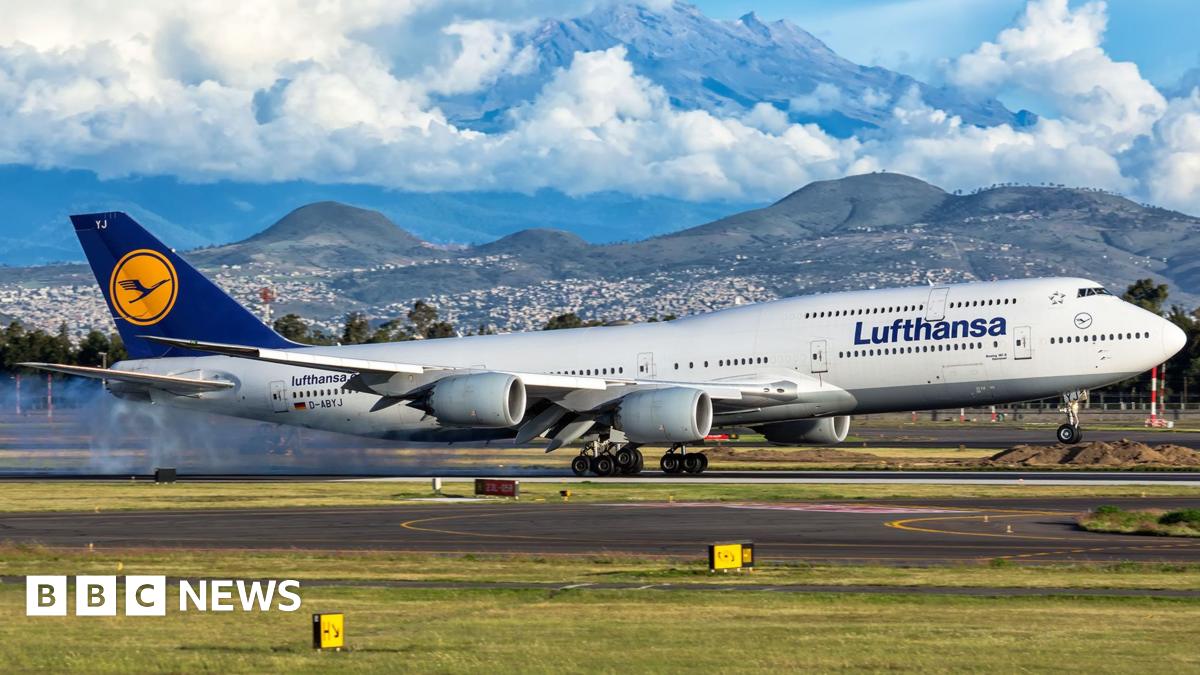
Lufthansa will cut 20,000 European short-haul flights this summer and save about 40,000 metric tons of jet fuel as surging jet fuel prices have made many routes unprofitable. The carrier is temporarily suspending service to several cities, may make some cuts permanent, and is reviewing its European schedule. The move underscores pressure from the Middle East conflict on aviation fuel supply and could contribute to higher fares and more cancellations across the sector.
This is less about one carrier's margin pressure and more about a near-term capacity shock to European short-haul aviation. The first-order effect is obvious: higher fuel costs compress unit economics, but the second-order effect is that airlines will preferentially defend long-haul, premium, and hub-critical flying while cutting thin regional routes first. That tends to widen the performance gap between network carriers with diversified revenue and low-cost operators exposed to short sectors, while also creating spillover demand for rail on routes under roughly 3 hours.
The market is likely underestimating how quickly this can become a pricing event rather than just a cost event. When capacity is removed before peak summer demand, load factors and fares can reprice within weeks, so the profit pool may partially shift from volume to yield for the stronger players. The catch is that the losers are not only airlines: airports dependent on feeder traffic, regional tourism operators, and ground services tied to short-haul frequencies face a more persistent hit if route suspensions become permanent.
The key catalyst is the duration of Middle East disruption. If fuel logistics normalize, the sector should mean-revert quickly because airlines can re-optimize schedules and hedge around the spike; if not, the next leg is likely further network pruning and more aggressive fare increases into July/August. The tail risk is a supply squeeze in jet fuel specifically, which can force capacity cuts even if crude moderates, making this more damaging than a generic oil rally for carriers with weak balance sheets or limited hedging.
Contrarian angle: the consensus may be too focused on airline earnings downgrades and not enough on the survivors' pricing power. In past fuel spikes, the strongest carriers often recovered margin faster than expected because consumers absorb fare hikes on constrained summer leisure routes, while weaker competitors lose share and are forced into deeper cuts. That argues for using the selloff to own the quality names and express the relative loser via pairs rather than blanket shorting the sector.
AI-powered research, real-time alerts, and portfolio analytics for institutional investors.
Request TrialOverall Sentiment
moderately negative
Sentiment Score
-0.45
