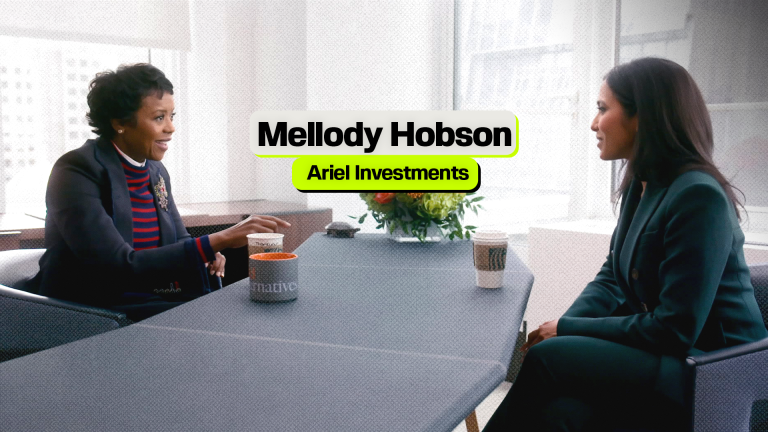
Mellody Hobson, President and Co-CEO of Ariel Investments, was featured in an extended interview on Bloomberg Originals' 'Bullish,' discussing capitalism, market disruption, and contrarian investing. This provides a direct source of insights from a prominent asset management executive on these critical investment themes.
The announcement of an extended interview with Mellody Hobson, Co-CEO of Ariel Investments, on Bloomberg Originals is a notable event for institutional investors. The discussion focuses on foundational themes including capitalism, market disruption, and contrarian investing, which are central to Ariel's long-standing investment philosophy. As a prominent and respected voice in the asset management industry, Hobson's articulated views provide a direct line of sight into the strategic thinking of a major investment firm. While the article itself does not contain the substance of her remarks, it signals an opportunity for investors to gain qualitative insights on navigating market cycles and identifying non-consensus opportunities, directly from a key market participant.
AI-powered research, real-time alerts, and portfolio analytics for institutional investors.
Request DemoOverall Sentiment
neutral
Sentiment Score
0.00
