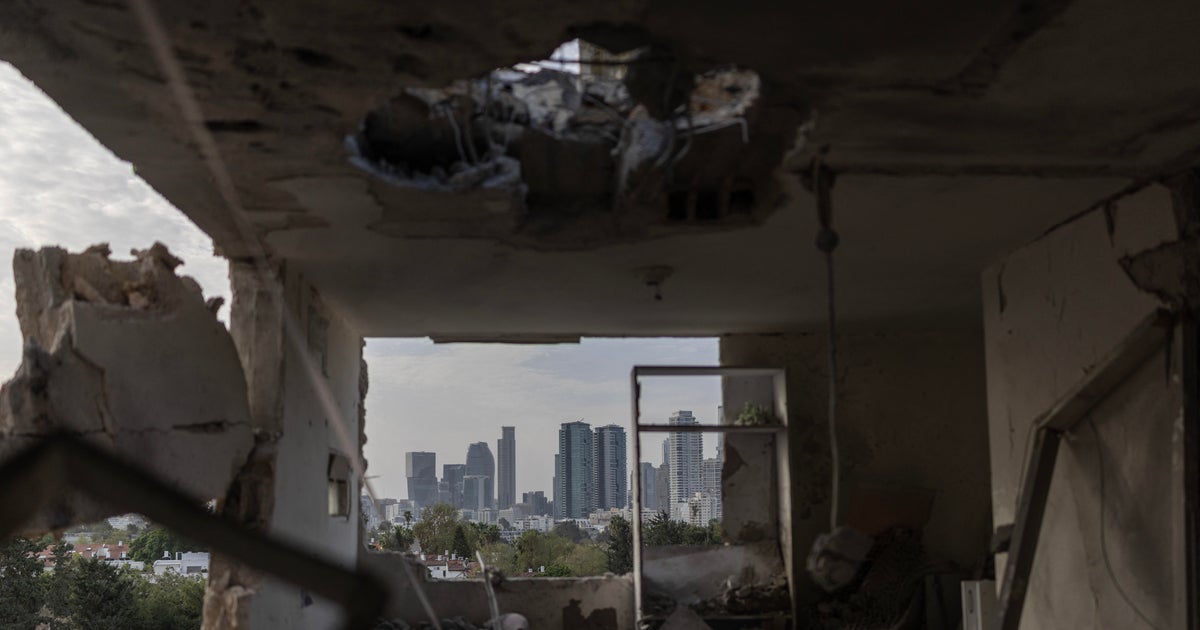
Brent crude surged to $116.38/bbl (from under ~$73 pre-war) and European TTF gas jumped ~24% after an Israeli strike on Iran's South Pars gas field and subsequent Iranian attacks on Gulf energy infrastructure; U.S. crude traded around $96.45/bbl and Henry Hub gas futures rose ~5.1%. QatarEnergy reported extensive damage to Ras Laffan and multiple LNG facilities, threatening ~20% of global LNG supply by ship and contributing to shipping disruption from a partially closed Strait of Hormuz. Global equity benchmarks slid (Nikkei -3%+, DAX -2.1%, CAC -1.5%, FTSE -1.7%) as markets priced in a stagflation shock and higher inflation risks if energy disruptions persist.
The market reaction so far is amplifying an inflationary impulse through energy and logistics channels rather than through a pure demand story; expect commodity-driven input-cost inflation to feed core inflation metrics over the next 1-3 quarters even if headline growth softens. That creates a window where real yields and cyclical earnings diverge: commodity producers can generate free cash quickly, whereas energy-intensive industrials and transport operators see margin compression and balance-sheet stress.
Shipping and insurance dislocations will be the persistent transmission mechanism. Higher war-risk premia and longer voyage routings will raise freight-adjusted delivered energy costs and create multi-week inventory squeezes for petrochemical and fertilizer producers, increasing the risk of localized supply rationing and price spikes for feedstocks within 30–90 days.
Commercial satellite data becoming less available is a structural hit to firms that monetize broad open-source feeds; expect near-term revenue compression from churn and contract renegotiations over the next 3–6 months, while defense and government customers accelerate bespoke, higher-margin procurement. Similarly, demand for anti-drone and counter-UAS systems will lift select small/medium defense primes’ order backlog visibility over a 6–18 month horizon.
Tail risks are asymmetric: a rapid de-escalation would compress risk premia and ricochet commodity prices lower within days, but a protracted phase widens sovereign and corporate funding spreads and entrenches stagflation risk over quarters. Watch liquidity in physical energy markets (inventory-to-use ratios, charter availability) and insurance rate moves as early reversal signals.
AI-powered research, real-time alerts, and portfolio analytics for institutional investors.
Request DemoOverall Sentiment
strongly negative
Sentiment Score
-0.80
Ticker Sentiment
