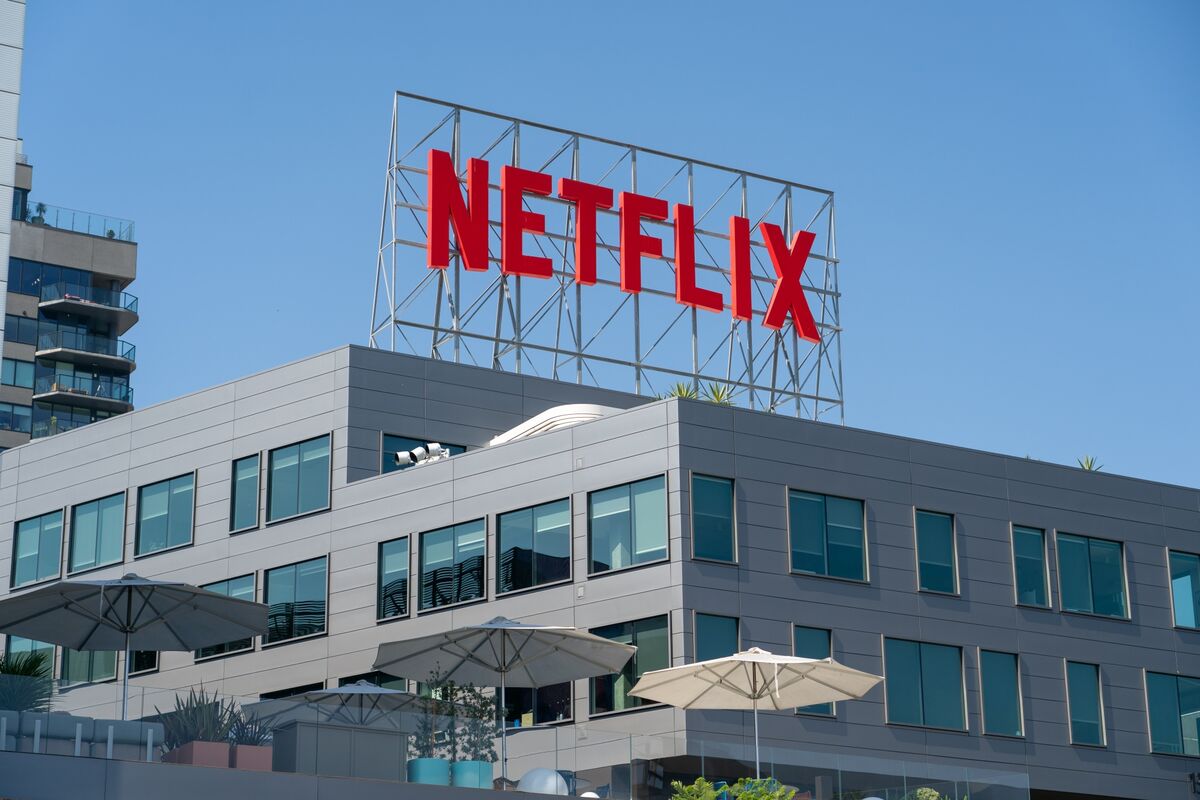
Netflix Inc. has agreed to acquire Warner Bros. Discovery Inc. in a landmark $72 billion deal, representing a major consolidation in the media and streaming sectors. The transaction pairs Netflix’s streaming scale with Warner’s deep studio and content library, signaling significant industry re‑rating potential, likely regulatory scrutiny, and meaningful strategic and execution risks that will drive investor reassessment across media equities and related content/value chains.
Market structure: Netflix (NFLX) materially increases scale and content ownership overnight — a $72B deal gives it bargaining power vs. distributors and ad platforms and likely lowers per-subscriber content cost by an estimated 8–15% after 24–36 months through consolidation of overlapping IP/sales functions. Direct winners: NFLX, large ad-tech partners, and studios that can capture non-core WBD assets; losers: smaller streamers (Roku-distributed channels, niche SVODs), third-party licensors, and theatrical window-dependent exhibitors as leverage shifts toward in-house streaming. Cross-asset: expect WBD credit spreads to widen 150–300bps on financing concerns; options IV for both tickers will spike short-term; macro FX/commodity impacts are muted.
Risk assessment: The principal tail risks are regulatory block or divestiture (15–35% probability in US/EU), financing strain if >$30B new debt is issued, and integration failure (culture/royalty disputes) lowering synergies by >50%. Immediate (days) risk = 10–20% implied-volatility spike and liquidity moves; short-term (3–12 months) = regulatory milestones (filings, second requests); long-term (2–4 years) = realization of $2–5bn run-rate EBITDA synergies or destruction thereof. Hidden dependencies include content licensing expiries that could require additional cash to retain franchises.
Trade implications: Merger-arb is primary: if WBD trades at <2–4% spread to the implied deal price, establish a market-neutral arb (long WBD equal to target capital, hedge with short NFLX per announced consideration or delta-hedge) sized 1–3% AUM with 9–15 month horizon and regulatory stop-loss at 6% adverse spread widening. Tactical options: buy 9–12 month NFLX call spreads (allocate 1–2% AUM) to capture upside while limiting dilution risk; buy protection (CDS or long WBD senior bonds short) if WBD credit spreads widen >150bps. Rotate modestly out of small-cap content names into scaled owners (NFLX, AMZN) over 3–12 months.
Contrarian angles: Market may underprice regulatory and financing pain — historical parallels (AOL–Time Warner, AT&T–TimeWarner) show large media consolidations often destroy shareholder value for acquirers over 2–4 years. If regulators force divestitures of key IP, acquirer upside collapses; conversely, if deal closes cleanly, NFLX upside could be +25–60% over 24 months. Watch DOJ/FTC inquiries and EU/UK filings in the next 30–90 days as primary catalysts that will reprice both equity and credit.
AI-powered research, real-time alerts, and portfolio analytics for institutional investors.
Request DemoOverall Sentiment
moderately positive
Sentiment Score
0.45
Ticker Sentiment
