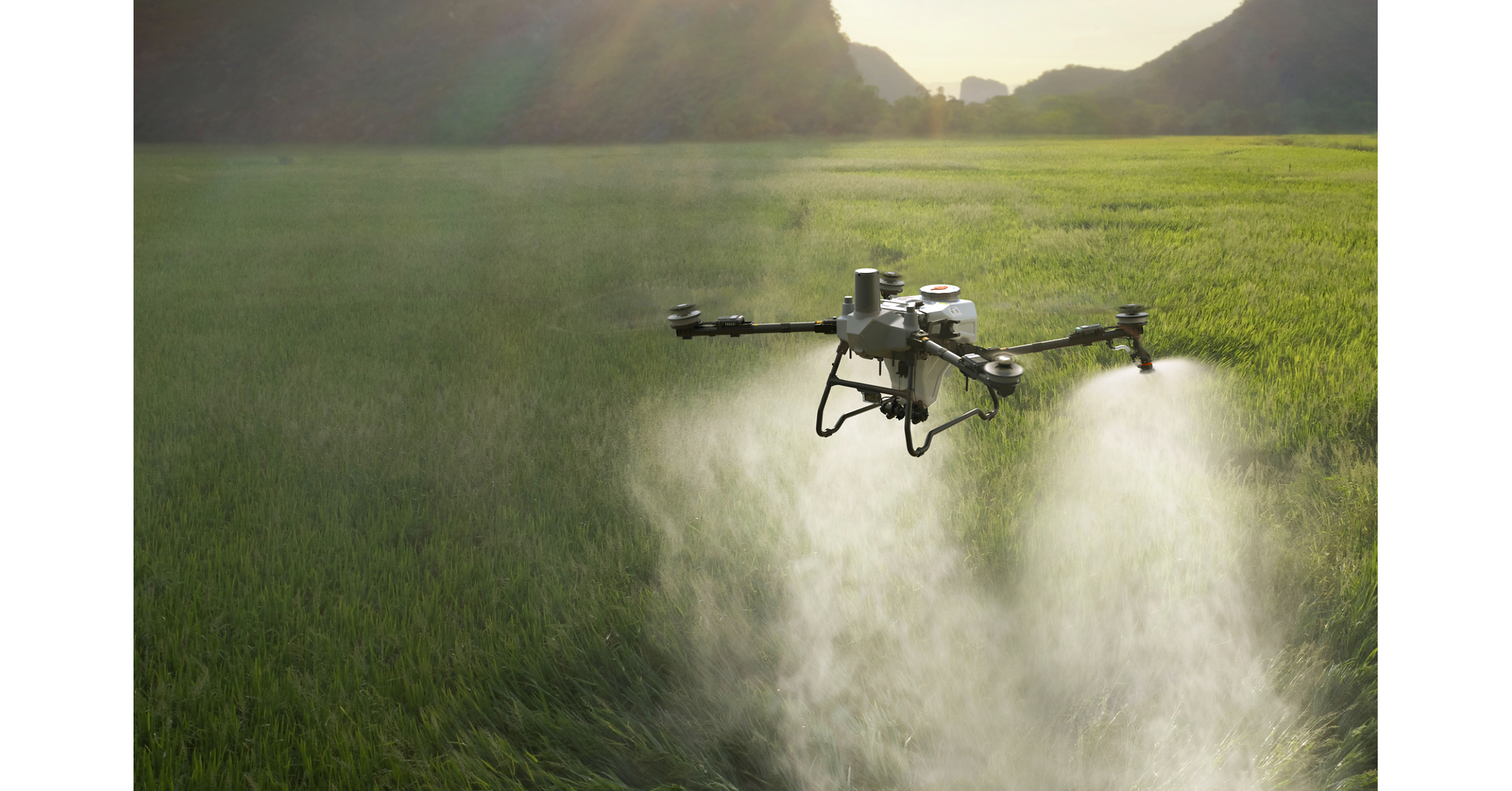
DJI Agriculture oznámil celosvětové uvedení postřikovacích dronů Agras T55 a Agras T100 s duální baterií. T55 nabízí 50 l pro postřikování (50 l/min) a radar pro detekci překážek až 250 000 bodů za sekundu, zatímco T100 Dual Battery prodlužuje dobu visení při stejném užitečném zatížení o 50 % a má nádrž 90 l. Firma uvádí více než 600 000 nasazených zemědělských dronů DJI ve více než 100 zemích a pozicionuje produkty jako cestu k vyšší produktivitě a nižším dopadům na životní prostředí.
This is a technology adoption story, not yet a revenue event for any public ticker in the dataset. The economic value is likely to accrue first to the ecosystem layer: batteries, service/repair, operator training, mapping software, and regional distributors, while the hardware itself becomes more competitive and margin-thinner as similar platforms proliferate. For public ag-equipment names, the near-term hit is mostly sentiment: drone-enabled spraying can pressure the narrative around manual application and some custom-application services, but the actual share shift should be gradual unless there is clear proof of sub-2-season payback.
Over the next 1-3 months, the market could overreact to the word "autonomy" and bid the whole precision-ag complex, but the more durable implication is a slow reallocation of spend from iron to data + uptime. That favors firms with workflow lock-in and dealer/service depth; it is a mild negative for commoditized sprayer exposure and a bigger negative for small operators who lack scale to amortize training, maintenance, and regulatory compliance. For GOOGL specifically, there is no direct tradeable read-through unless DJI’s stack creates a meaningful cloud/data distribution partnership, which is not visible here.
Contrarian view: this looks impressive, but the missing variable is unit economics, not features. If the system does not materially cut labor, chemical waste, or downtime versus ground-based alternatives, adoption will remain niche in the West, especially if regulators scrutinize Chinese-made industrial drones. Falsifiers are straightforward: strong dealer order data, evidence of Western regulatory acceptance, or commentary from DE/CNH/AGCO that drone substitution is affecting sprayer demand faster than expected.
AI-powered research, real-time alerts, and portfolio analytics for institutional investors.
Request DemoOverall Sentiment
mildly positive
Sentiment Score
0.20
Ticker Sentiment
