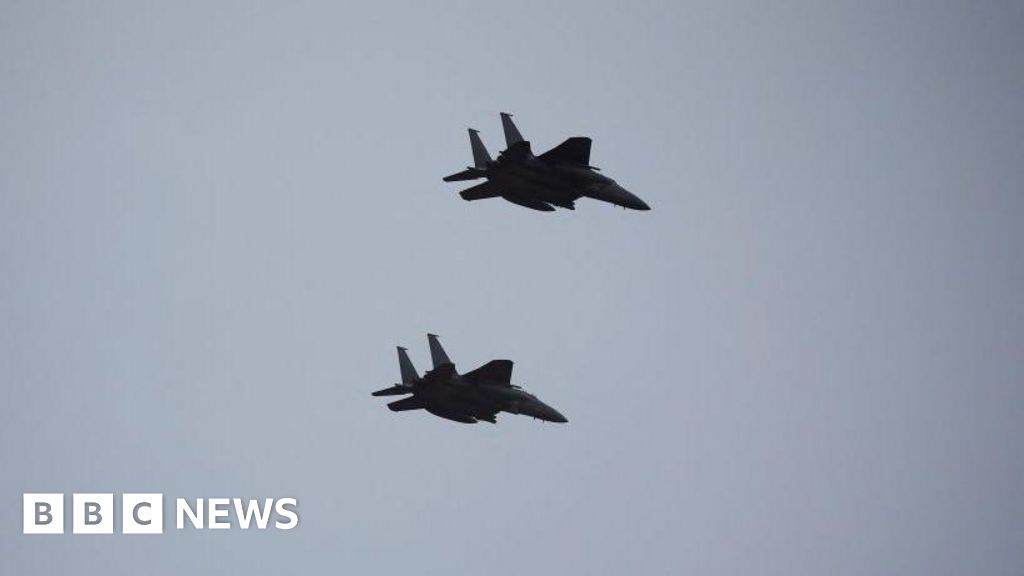
South Korea’s audit board found that two F-15K fighter jets collided in 2021 because pilots were taking photos and videos during a mission, causing 880 million won ($596,000) in repair costs. One pilot was fined 88 million won, equal to 10% of the air force’s original claim, after the board said the military should share responsibility for weak camera-use controls. The incident is operationally negative for the air force, but the financial impact is limited and unlikely to move markets.
This is less a single-event headline than a governance signal for defense operators: the direct cost is immaterial, but the real damage is the discovery that mission discipline can be degraded by informal norms around personal devices. In aviation, small procedural drift often matters more than equipment failure; once command culture tolerates “harmless” exceptions, the probability distribution fattens for a much more expensive mishap. For defense contractors and foreign buyers, that tends to show up later as tighter usage controls, more training hours, and slower sortie generation rather than immediate budget changes.
The second-order winner is likely the compliance/training stack around military aviation rather than airframe producers. Any ministry responding to this will probably push for stricter cockpit device restrictions, logging, and pre-flight certification, which increases recurring spend on software, secure mounts, and simulation/training. That’s a modest but durable tailwind for firms exposed to aviation safety systems and military training services, while being mildly negative for operational tempo at air forces already constrained by pilot shortages.
The market implication is reputational, not balance-sheet driven: South Korean defense procurement should remain intact, but buyers may demand evidence of tighter governance before awarding discretionary upgrades or follow-on maintenance packages. The contrarian angle is that this is not a “hardware reliability” issue, so any broad short on Korean defense names would likely be overdone; the right read is margin friction and procurement delay, not cancelled programs. Near term, the catalyst path is internal audits and policy revisions over weeks to months; the tail risk is that similar incidents surface elsewhere, turning this into a broader air force discipline narrative.
AI-powered research, real-time alerts, and portfolio analytics for institutional investors.
Request TrialOverall Sentiment
mildly negative
Sentiment Score
-0.18
