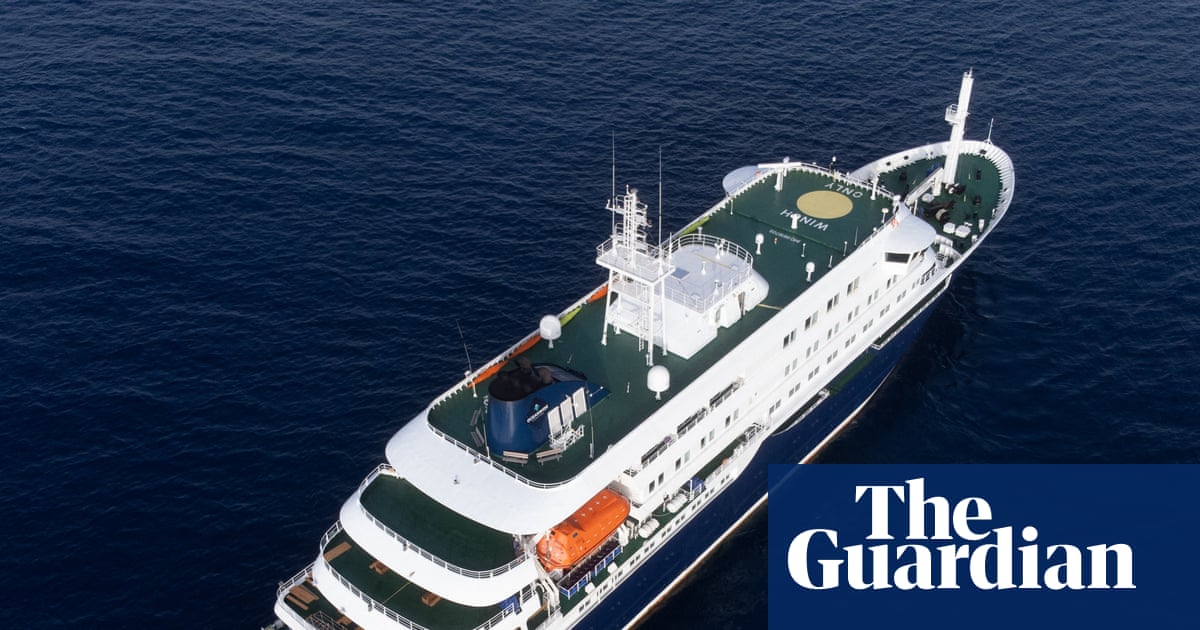
Three people are dead and a British national remains in intensive care after a suspected hantavirus outbreak aboard the 85-passenger MV Hondius, with two crew also reporting breathing issues. The ship remains held off Cape Verde as authorities consider a transfer to the Canary Islands for epidemiological investigation and full disinfection. The incident highlights outbreak risk in expedition cruising, but the broader market impact is likely limited.
The immediate market read is less about cruise demand and more about the fragility of expedition travel economics. This is a niche, high-margin segment where one incident can trigger disproportionate booking deferrals, higher insurance premia, stricter medical screening, and route changes that compress utilization; the revenue hit is likely to show up first in forward bookings over the next 1-2 quarters rather than current-period occupancy. Operators with meaningful polar-exposure and smaller fleets are more vulnerable because a single ship out of service can impair a larger fraction of capacity and create reputational overhang.
Second-order beneficiaries are likely to be less obvious than the headline losers. Medical evacuation providers, remote telemetry/monitoring vendors, and insurers/reinsurers may see incremental demand and pricing power as operators retrofit outbreak protocols and underwriters reprice “remote medicine” and cancellation risk. Cruise-adjacent suppliers with broad mass-market exposure should be relatively insulated, but expedition-focused brands and specialty travel agencies could see booking mix shift toward shorter, lower-risk itineraries, pressuring average ticket prices.
The main contrarian point is that this may be more idiosyncratic than systemic for the broader travel complex. Unlike a transmissible onboard respiratory outbreak in a dense mega-ship, this is likely to drive tighter pre-boarding medical vetting and voyage design changes rather than a sector-wide demand collapse. The biggest tail risk is regulatory: if authorities classify this as an avoidable operational lapse, there could be mandated changes to wildlife excursion protocols and sanitation standards within months, raising operating costs and lowering capacity utilization across the expedition niche.
AI-powered research, real-time alerts, and portfolio analytics for institutional investors.
Request DemoOverall Sentiment
strongly negative
Sentiment Score
-0.62
