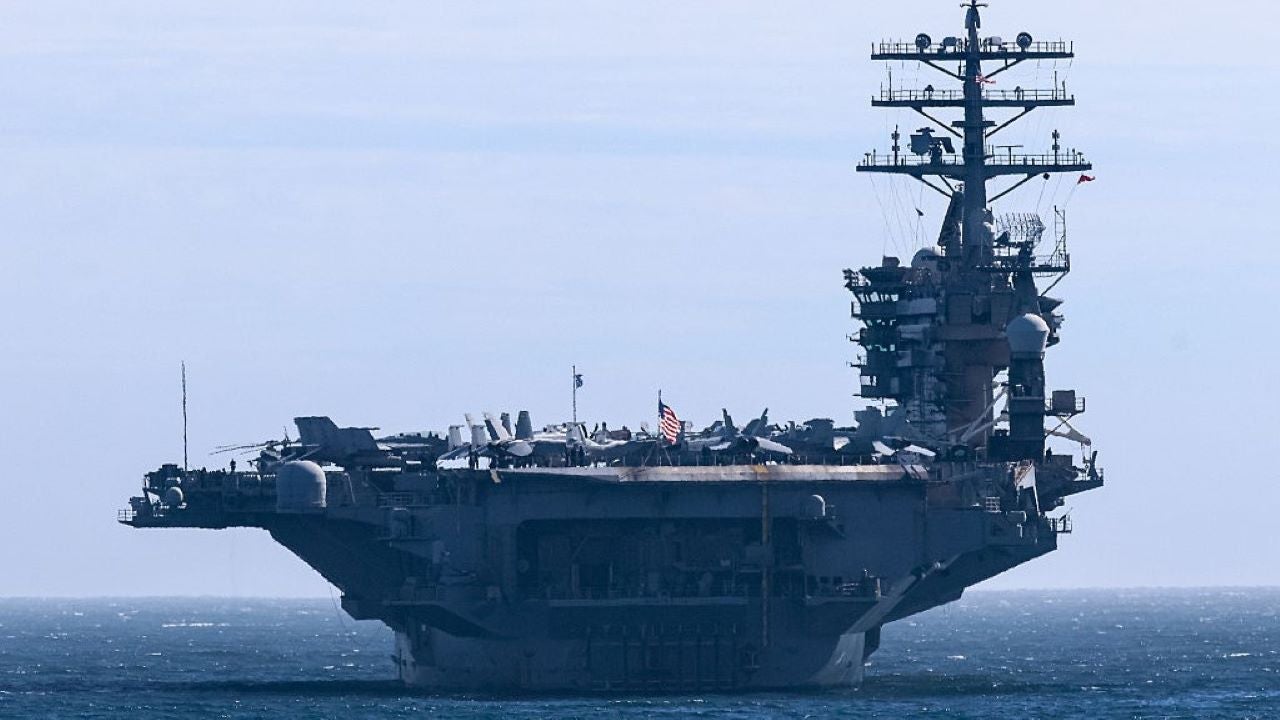
The U.S. Navy seized an Iran-flagged tanker after a six-hour standoff and fired into the vessel’s engine room, while Iran said it would retaliate and has effectively shut the Strait of Hormuz. CENTCOM said 25-27 commercial vessels have already been turned around, with hundreds of tankers stranded and major disruption to a route carrying about one-fifth of global oil supply. The escalation raises immediate risks for energy prices, shipping, marine insurance, and broader Middle East market stability.
This is not just a headline risk event; it is a live test of how far a blockade can be enforced before the market starts pricing an effective partial closure of Hormuz. The first-order impact is on freight and insurance, but the second-order effect is a forced rerouting of marginal barrels and cargoes, which tightens the prompt market even if headline supply ultimately remains unchanged. That tends to show up first in front-end crude, time-spreads, and shipping rates, then with a lag in refined product margins and downstream industrial inputs.
The more important signal is that the chokepoint is becoming a policy instrument rather than a transit route. That raises the probability of asymmetric retaliation: even a few days of intermittent harassment can keep risk premia elevated for weeks because charterers need certainty, not just passage. If tanker availability remains impaired, the bottleneck may shift from oil volume to vessel rotation, creating hidden inflation in delivered energy prices and amplifying working-capital stress across import-dependent economies in Asia and Europe.
The market is likely underestimating how quickly this spills into FX and EM sovereign spreads. For a handful of large energy importers, a sustained shock would worsen current accounts and widen hedging demand for USD, while exporters with spare capacity and shipping access gain pricing power. The key reversal catalyst is not a headline ceasefire; it is a credible guarantee of corridor safety and insurability, which can snap risk premia lower within 24-72 hours if confirmed by operators and marine insurers.
Contrarianly, the biggest immediate beneficiary may not be oil producers but the segment of the shipping complex that can actually move compliant cargoes under tighter routing and higher day rates. If the situation persists without broader kinetic escalation, the equity market may eventually fade the energy move while continuing to reprice logistics and marine insurance names. That argues for focusing on relative trades rather than outright beta exposure.
AI-powered research, real-time alerts, and portfolio analytics for institutional investors.
Request DemoOverall Sentiment
strongly negative
Sentiment Score
-0.80
