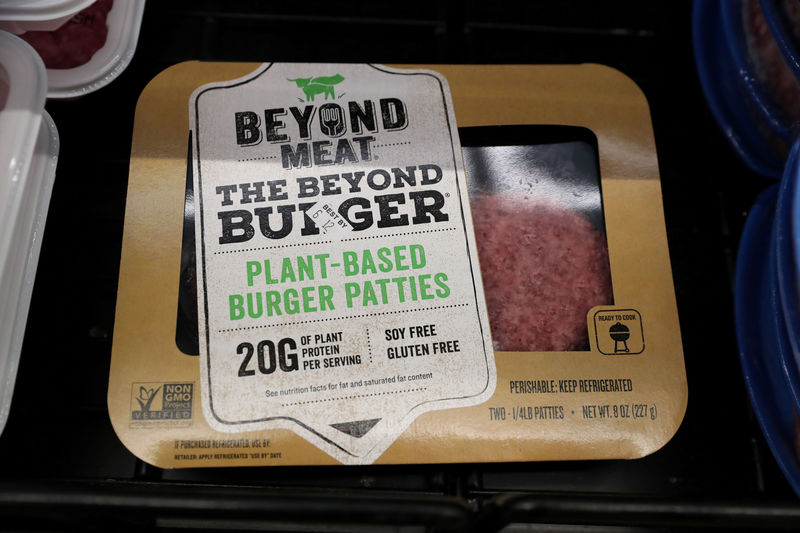
Preliminary Q4 revenue came in at about $61M vs. $62.6M consensus (a ~$1.6M miss); shares fell 5.6% premarket and the stock is down >76% over the past 12 months. Beyond Meat delayed filing its 2025 annual report until March 31 while reviewing inventory balances and expects to report a material weakness in internal control over inventory accounting as of Dec. 31. The company guides to ~ $275M in full-year 2025 revenue and will release final Q4 results on March 25, but has not yet quantified the potential financial impact of the inventory review.
The company's admission of material weaknesses around inventory accounting elevates uncertainty beyond a single quarter — this is a governance shock that increases both earnings volatility and the probability of later restatements, covenant squeezes or fresh financing needs. Market reaction will be driven less by the headline charge than by how conservatively management sets reserves and whether lenders/retail partners reprice terms; conservative provisioning can temporarily depress EBIT but removes an overhang, while optimistic remediation leaves downside risk intact.
Second-order demand effects are underappreciated: large retailers and foodservice customers respond to inventory and margin shocks by pulling forward promotions and shortening payment/return windows, effectively accelerating channel destocking and compressing OCF by multiple quarters. Upstream, co-packers and pea/soy protein suppliers face order volatility and working capital strain — expect shorter supplier payment cycles and more stringent purchase commitments, which increases fixed-cost leverage for the producer.
Key catalysts are binary and near-term: the quarter results release and the formal 10-K/filing remediation update. A material write-down or weak retail cadence on release will likely trigger a 30–50% downside reprice in the near term; conversely, a clear remediation plan with conservative reserves and committed financing could close a portion of the volatility premium. Tail risks include an actual restatement or a covenant breach within 3–12 months, which could force asset sales or rights offerings.
A measured contrarian case exists: if management elects to aggressively over-provision now and communicates clear, independent audit/controls remediation, the stock can recover quickly as the uncertainty premium falls. That outcome is binary but actionable — it favors volatility-selling after the print, not before, and suggests asymmetric option structures around the filing/catalyst calendar rather than naked directional exposure.
AI-powered research, real-time alerts, and portfolio analytics for institutional investors.
Request DemoOverall Sentiment
moderately negative
Sentiment Score
-0.60
Ticker Sentiment
