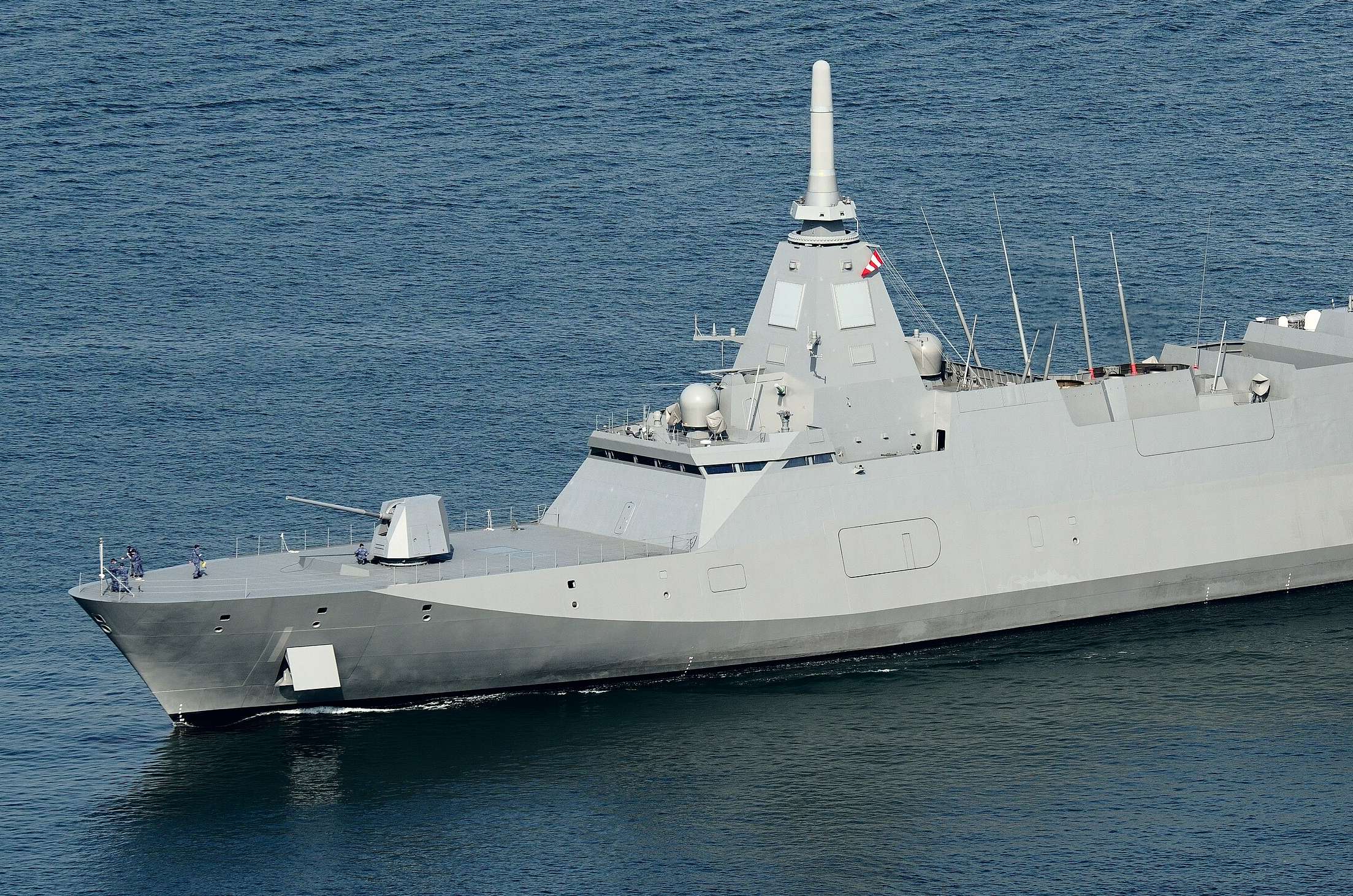
Rolls-Royce’s MT30 marine gas turbine has been selected to power Australia’s new fleet of up to 11 general-purpose frigates, with the first three ships to be built in Japan and delivered starting in 2029 for service from 2030. The deal extends the MT30’s existing role in the Mogami-class platform and adds mtu Series 4000-based diesel generator sets supplied via Daihatsu InFinEarth. The announcement reinforces Rolls-Royce’s defense marine franchise and commonality across allied naval fleets, but the near-term market impact is likely modest.
This is less a one-off contract win than a validation event for RR’s marine propulsion moat: once a navy standardizes on a high-end turbine family, switching costs become political, logistical, and training-related rather than purely economic. The second-order upside is installed-base leverage — spares, overhauls, lifecycle support, and power-generation content can compound for decades, while commonality across allied fleets increases the odds that future programs default to the same engine architecture.
The market may still be underestimating how this reframes RR’s defense mix. The real signal is not the headline unit order, but that the platform choice reduces procurement friction for allied interoperability; that can spill into follow-on options, upgrades, and even export variants with the same propulsion stack. The diesel-generator content matters too: it adds a lower-profile but steadier aftermarket annuity layer that is less cyclical than newbuild naval orders.
From a timing perspective, this is a multi-year revenue bridge, not a near-term earnings step-up, so the stock reaction should be assessed against RR’s defense backlog quality rather than next-quarter numbers. Key risks are program delay, Australian political pushback on offshore construction, or any move to localize more content later in the cycle; those would affect timing more than the strategic win itself. The contrarian miss is that this may be more valuable for margin durability than for top-line growth — the market often overprices the order headline and underprices the support tail.
If anything, the crowded view is that RR already “won” marine gas turbines; what’s less appreciated is that each new platform reference reinforces a quasi-monopoly in a niche where reliability dominates procurement decisions. That makes incremental wins disproportionately valuable because they strengthen pricing power and reduce competitor credibility over time.
AI-powered research, real-time alerts, and portfolio analytics for institutional investors.
Request DemoOverall Sentiment
mildly positive
Sentiment Score
0.35
Ticker Sentiment
