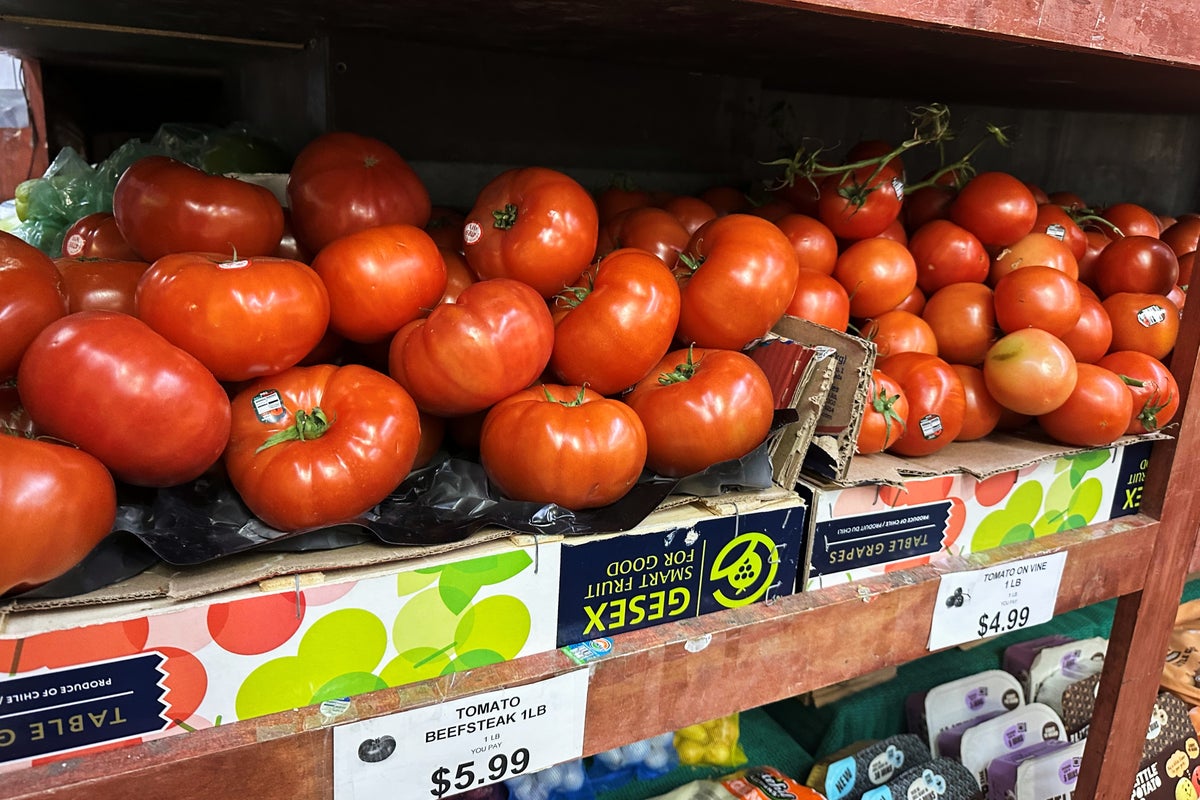
Tomato prices are up about 40% over the past year, with one grocery store owner saying a box jumped from $27 to $93, as tariffs, higher shipping costs, and the U.S. exit from the Mexico tomato deal tightened supply. Federal data show tomato tariff collections surged from $16,424 in 2024 to nearly $4.6 million, while restaurant input costs climbed sharply across tomato varieties. The story points to a broader inflationary squeeze on consumers and food businesses, with tomatoes emerging as a visible symbol of tariff-driven price pressure.
This is less a tomato story than a margin-transfer event: policy is shifting pricing power from growers and importers to downstream operators that cannot pass through fast enough. The first-order hit lands on restaurants, but the second-order effect is broader — menu-price inflation lags spot input inflation by weeks to quarters, so the PPI/CPI pipeline likely stays sticky even if produce prices stabilize. That creates a nasty setup for consumer discretionary names with high food input exposure and limited brand pricing power, especially fast-casual and regional chains competing on value.
The supply-chain wrinkle is important: tomatoes are a short-cycle crop, so unlike grains or livestock there is no meaningful medium-term domestic supply response unless growers can rapidly expand protected cultivation. That means the tariff shock is mechanically more persistent than a normal weather event; even if tariffs were rolled back tomorrow, contracts, shrinkage, and distribution inventories mean relief would still take 1-2 quarters to show up in shelf prices. The bigger macro second-order is that “fresh food” inflation is more visible than headline CPI, which can depress consumer sentiment and raise price sensitivity across adjacent categories like salsa, pizza, and prepared meals.
The consensus is likely underestimating how uneven the winners are. Domestic tomato growers may get a temporary windfall, but greenhouse operators, cold-chain logistics providers, and wholesalers with inventory turns can benefit more durably than field growers because they capture both pricing and supply reliability. Meanwhile, the restaurants most exposed are not necessarily the largest chains; the damage is greatest for smaller operators with localized menus and no procurement scale, which can force menu simplification, lower traffic, or outright closures over the next 1-2 quarters.
The contrarian view is that this is a political rather than purely economic shock, so the trade can reverse abruptly if consumer backlash becomes salient. That creates a skewed setup: inflation prints and restaurant guidance can deteriorate fast, but any tariff exemption, deal revival, or border-policy tweak would compress the move just as quickly. In other words, the right expression is not a naked long food inflation trade, but a pair that benefits from input-cost pressure persisting while hedging policy reversal risk.
AI-powered research, real-time alerts, and portfolio analytics for institutional investors.
Request DemoOverall Sentiment
strongly negative
Sentiment Score
-0.55
