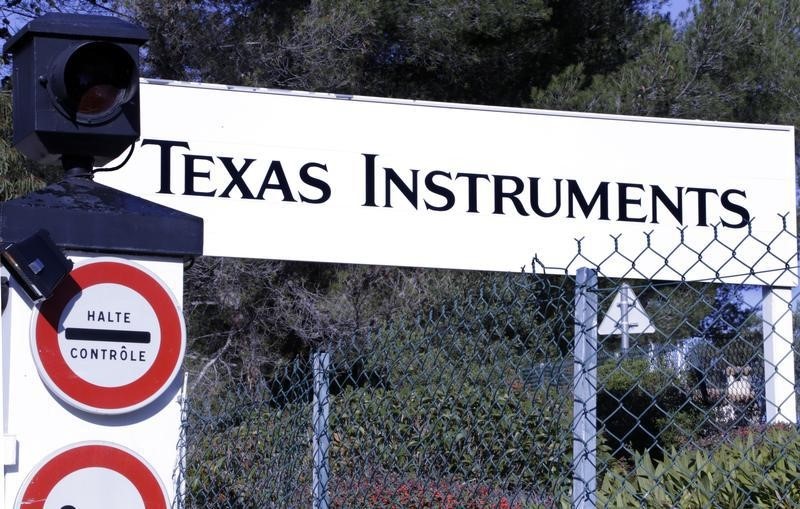
Aletheia Capital upgraded Texas Instruments to Hold from Sell and lifted its price target to $220 from $190, while Stifel also upgraded the stock to Buy and raised its target to $250. Aletheia raised FY2026-FY2028 EPS estimates by 7% to 19% and cited a planned SLAB acquisition that could add $1 billion to sales and support 10% growth over the next three years. Texas Instruments also declared a quarterly dividend of $1.42 per share, but the stock already trades at $229.82, above Aletheia's new target and near its 52-week high of $231.32.
TXN’s setup is less about near-term consensus upgrades and more about whether the market is willing to pay up for a late-cycle operating leverage story after a very strong re-rating. The key second-order effect is that any cyclical improvement in analog tends to show up first in bookings and utilization, but margin inflection can lag by 1-2 quarters; with the stock already pricing a clean recovery, the upside from incremental estimate revisions may be capped unless management can demonstrate sustained mix improvement and tighter working capital conversion. The bigger tell is that the market is treating TXN as both a cyclical and a quasi-quality compounder, which is usually where expectations become fragile.
The SLAB angle is more interesting than the headline multiple math. If integration works, the strategic benefit is not just added revenue but a broader cross-sell into industrial/embedded design cycles, which could improve stickiness and reduce customer concentration risk over a 2-3 year horizon. However, M&A in an already expensive stock can become a drag if synergies take longer than expected: every missed quarter of FCF normalization increases the chance that investors re-rate TXN back toward a lower-growth utility-style multiple rather than a semiconductor premium multiple.
The contrarian risk is that the current move has likely pulled forward the best part of the cycle. High inventory is only an asset if demand actually reaccelerates; if end-markets merely stabilize instead of inflecting, TXN’s manufacturing leverage cuts both ways and can turn into a valuation trap. In that scenario, the downside comes from multiple compression before earnings disappoint, which is why the next 1-2 earnings prints matter more than the next 12 months of sell-side revisions.
For competitors, a stronger TXN is mildly negative for peers exposed to price discipline in analog, but the real spillover is to equipment and suppliers if the company uses the upcycle to defend share through capacity/packaging investment. That could pressure smaller analog names with less balance-sheet flexibility, while benefiting industrial OEM customers if pricing remains rational. The market is likely underestimating how much of this story depends on disciplined capital allocation rather than pure demand recovery.
AI-powered research, real-time alerts, and portfolio analytics for institutional investors.
Request DemoOverall Sentiment
mildly positive
Sentiment Score
0.25
Ticker Sentiment
