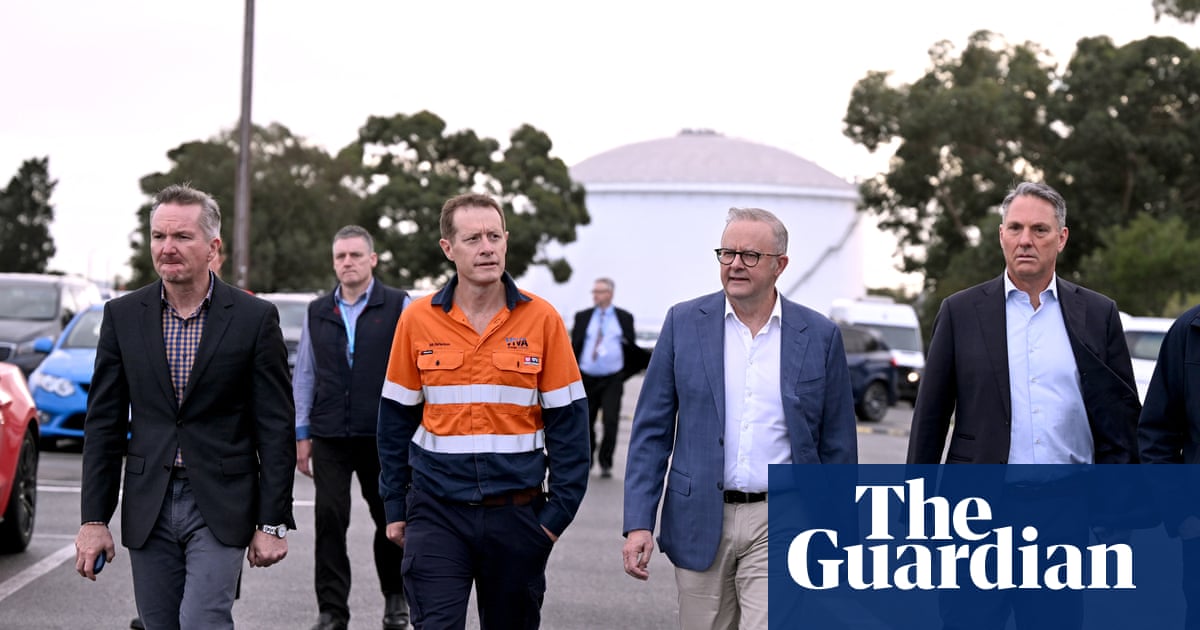
Viva Energy’s Geelong refinery fire cut petrol production to 60% of normal, while diesel and aviation fuel production were each still running at about 80%. Prime Minister Albanese said the disruption will not trigger fuel restrictions or move Australia into stage 3 of the national fuel plan, and the company said it expects to cover any lost output through imports. The event could still pressure local fuel prices and supply conditions in Victoria, but the government is signaling no immediate national shortage.
This is a localized supply shock with an unusually small macro footprint, which is exactly why it can be mispriced. The immediate winners are import-linked fuel wholesalers, storage operators, and any retail network with access to Asian product arbitrage; the losers are domestic refiners, trucking fleets with low hedging discipline, and airlines if jet/diesel logistics tighten before replacement cargoes arrive. The second-order effect is that the market may briefly pay a scarcity premium for prompt gasoline and diesel in Victoria even if headline national supply looks unchanged.
The key issue is not total national barrels, but replacement timing and product slate. A refinery outage that hits gasoline blending harder than diesel creates a temporary mismatch that can widen regional crack spreads for gasoline while leaving diesel less stressed; that tends to help integrated players with import optionality and storage, and hurt stand-alone fuel retailers who rely on spot replenishment. If the fire impact is contained to days, this is a tradable dislocation; if repairs, inspections, or insurance claims drag into weeks, expect a broader re-pricing in Australian fuel distribution margins rather than upstream crude.
The political signal matters because authorities are explicitly resisting escalation, which lowers the probability of forced rationing but raises the odds of a managed, nontransparent smoothing process through imports and strategic inventories. That means the tail risk is not empty pumps; it is margin compression for smaller distributors and a short-lived spike in pump prices that can fade quickly once cargoes arrive. Consensus may be overestimating the durability of any retail fuel spike, but underestimating the earnings volatility for businesses that buy fuel at spot and sell at regulated or competitive retail spreads.
Contrarian angle: this is less bullish for crude than for freight and logistics hedges. If the refinery outage is met with imports, domestic crude demand may soften marginally while delivered product prices stay elevated, which is negative for local upstream sentiment but positive for shipping and tank storage utilization over the next 2-6 weeks.
AI-powered research, real-time alerts, and portfolio analytics for institutional investors.
Request DemoOverall Sentiment
mildly negative
Sentiment Score
-0.20
