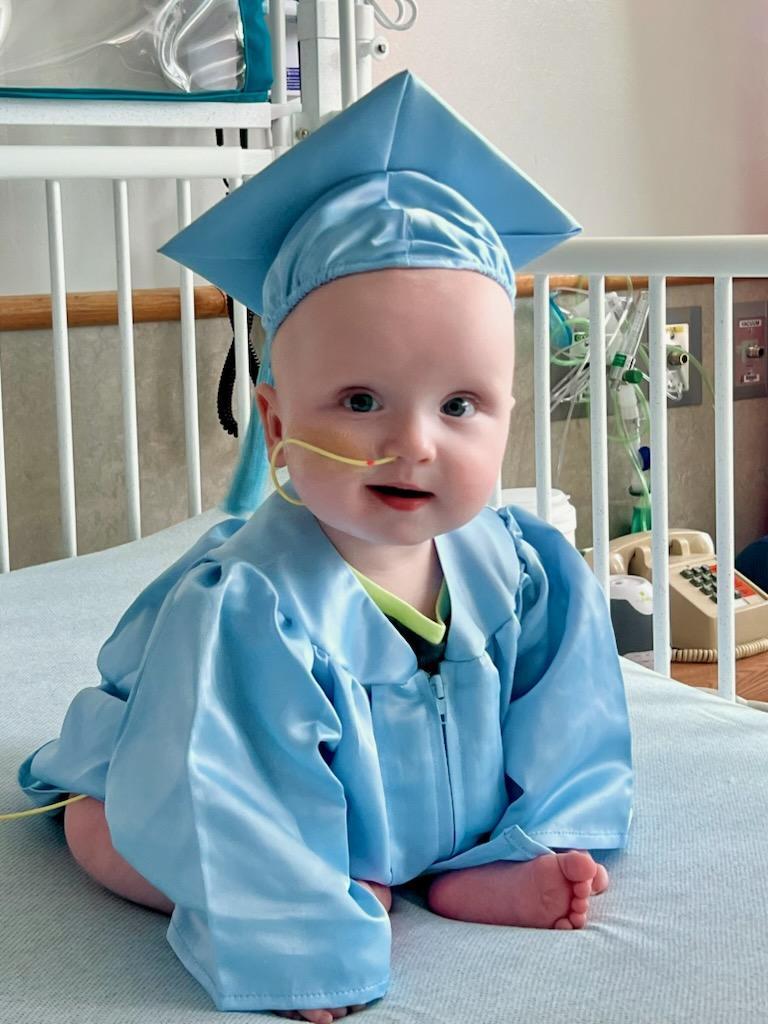
An infant, KJ Muldoon, with an ultra-rare disease, was discharged from the hospital after receiving groundbreaking CRISPR therapy, marking a promising step for personalized gene-editing treatments. Simultaneously, the clinical value of circulating tumor DNA (ctDNA) blood tests remains unproven despite increasing popularity, as data presented at ASCO suggests the need for further studies to determine their true impact on patient outcomes. Vinay Prasad, the new chief of CBER at the FDA, signaled a more flexible approach to drug approvals for ultra-rare diseases, emphasizing the agency's commitment to expediting access to therapies based on early signs of promise.
The successful discharge of infant KJ Muldoon following a personalized CRISPR-based gene-editing therapy, developed in an accelerated timeframe of six months, marks a significant milestone for advanced therapeutics in ultra-rare diseases, with researchers aiming to scale this approach. This development, alongside comments from Vinay Prasad, new CBER chief at the FDA, signaling a commitment to expedite therapies for ultra-rare diseases and flexibility on trial designs including surrogate endpoints, suggests a potentially favorable regulatory environment for novel treatments. Conversely, the burgeoning field of circulating tumor DNA (ctDNA) blood tests faces scrutiny; despite increasing oncological adoption for early cancer recurrence detection, data from the ASCO meeting highlight that their clinical value and impact on patient survival remain unproven, necessitating further rigorous studies as emphasized by University of Pennsylvania researcher Angela DeMichelle. An opinion piece also notes ethical and public health concerns regarding a reported move by HHS Secretary Robert F. Kennedy, Jr. to drop Covid vaccine recommendations for pregnant people, citing a disregard for evidence of benefits. The overall sentiment is 'moderately positive' with an 'optimistic' tone and a market impact score of 0.6, reflecting cautious optimism around therapeutic innovation and regulatory shifts, balanced by uncertainties in diagnostic technologies and potential public health policy volatility.
AI-powered research, real-time alerts, and portfolio analytics for institutional investors.
Overall Sentiment
moderately positive
Sentiment Score
0.40
