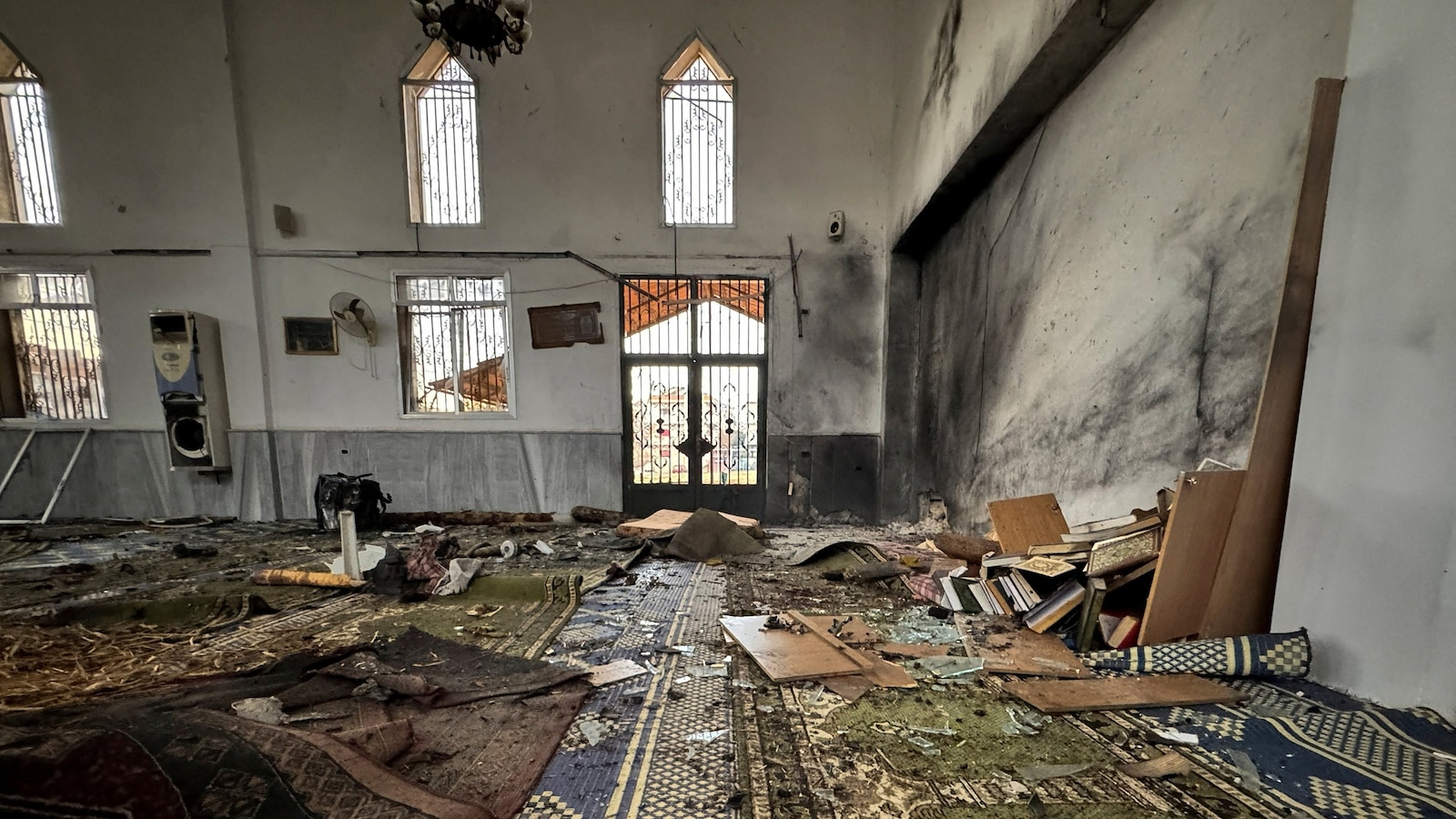
A bombing during Friday prayers at the Imam Ali ibn Abi Talib Mosque in Homs killed at least eight people and wounded 18, according to state media; a little-known group calling itself Saraya Ansar al-Sunna claimed responsibility and authorities say explosive devices were planted inside. The attack in an Alawite-dominated neighborhood highlights persistent sectarian volatility and domestic political instability in Syria, raising localized security risk while broader market contagion is likely limited absent wider escalation.
Market structure: This attack is a localized security shock with asymmetric winners — flight-to-safety assets (USD, gold, long-duration Treasuries) and defense contractors gain marginally; regional EM equities, travel/airlines, and local sovereign credit weaken. Expect a small, immediate risk premium: +1–3% bids in GLD/GC and -25–75bp compression in 10y UST yields intraday if escalation fears spread beyond Syria.
Risk assessment: Tail risks include a broader regional escalation (Iran/Saudi involvement or attacks on shipping) that would drive Brent >+8% in 72 hours and trigger sustained risk-off for 1–3 months; low-probability but high-impact. Near-term (days) volatility spikes are likely; medium-term (weeks–months) more meaningful if asymmetric state actors intervene. Hidden dependencies: refugee flows, sanctions, and maritime chokepoint incidents can rapidly reprice oil and insurance markets.
Trade implications: Tactical trades should be defensive and size-constrained: short-duration EM beta, small long positions in gold and defense, optionality for oil if escalation triggers >5% move in 48h. Prioritize liquid instruments (GLD, IEF/TLT, LMT/RTX options, EEM put spreads) and avoid over-allocating — this is not yet a systemic shock (Market Impact Score 0.12).
Contrarian angles: Consensus will overweight gold and defense; underappreciated is selective long in Gulf security equipment/SaaS contractors and short positions in Lebanon/Turkey sovereign or frontier banking names where contagion is cheap to express. If markets calm in 2–4 weeks without wider spillover, volatility should mean-revert — providing alpha by selling short-dated protection bought here.
AI-powered research, real-time alerts, and portfolio analytics for institutional investors.
Request DemoOverall Sentiment
strongly negative
Sentiment Score
-0.60
