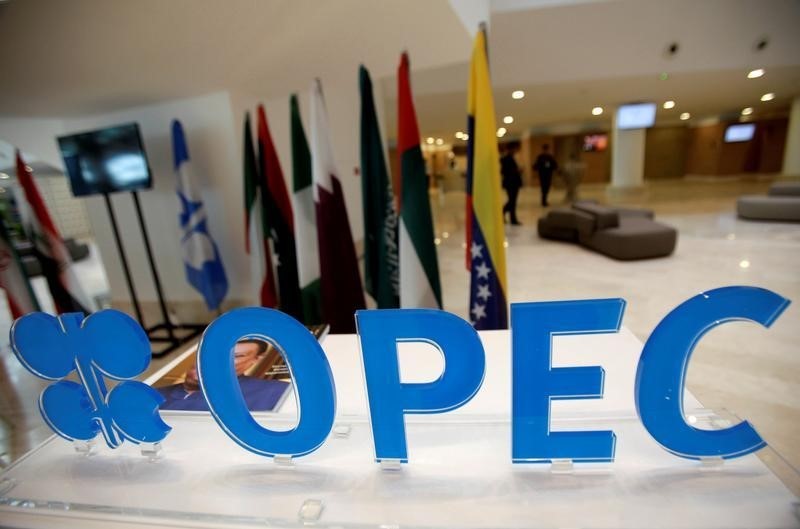
OPEC+ is expected to approve an additional oil output quota increase of 188,000 bpd in August, continuing supply restoration after Strait of Hormuz disruptions tied to the Iran–Israel–US conflict. Oil has already eased sharply—Brent settled near $72/bbl, down from peaks above $120—as supply concerns moderated alongside weaker Chinese crude imports and non-Middle Eastern output gains. Investors will watch Sunday’s final OPEC+ decision for further signals on the group’s supply vs. demand outlook.
This is less a supply shock than a reset in the risk premium. A modest quota increase matters mainly because the market already assumes OPEC+ has lost the ability to defend price aggressively; if actual barrels still lag quotas, Brent downside should be capped unless demand data keeps deteriorating. The immediate losers are high-beta upstreams and oil-linked services; the cleaner winners are importers and users with lagged pass-through, especially Korean equities where lower energy input costs can support margins and, more importantly, reduce macro discounting on already-cheap valuation multiples.
Second-order effects matter more than the headline barrel count. Airlines, chemicals, and utilities with delayed fuel resets should see the fastest earnings revision lift, while integrated oils may see multiple compression if investors conclude the group is prioritizing market share over price discipline. KEP is a plausible beneficiary only if fuel cost relief is not fully offset by regulated tariff mechanics; SMNEY is more of a broader industrial capex/transition proxy than a direct oil trade, and SNDK is only indirectly helped through softer inflation and lower real-rate pressure.
Contrarian view: consensus may be overstating how bearish this is for crude and understating how much of the move is already in the tape. The real risk is not the next quota decision but weak Chinese demand plus OECD inventory builds over the next 1-3 months; absent those, short oil can get squeezed by any geopolitical headline. Falsifiers are Brent reclaiming the high-$70s with visible stock draws, or a renewed shipping disruption that reintroduces a war premium.
AI-powered research, real-time alerts, and portfolio analytics for institutional investors.
Request DemoOverall Sentiment
mildly negative
Sentiment Score
-0.10
Ticker Sentiment
