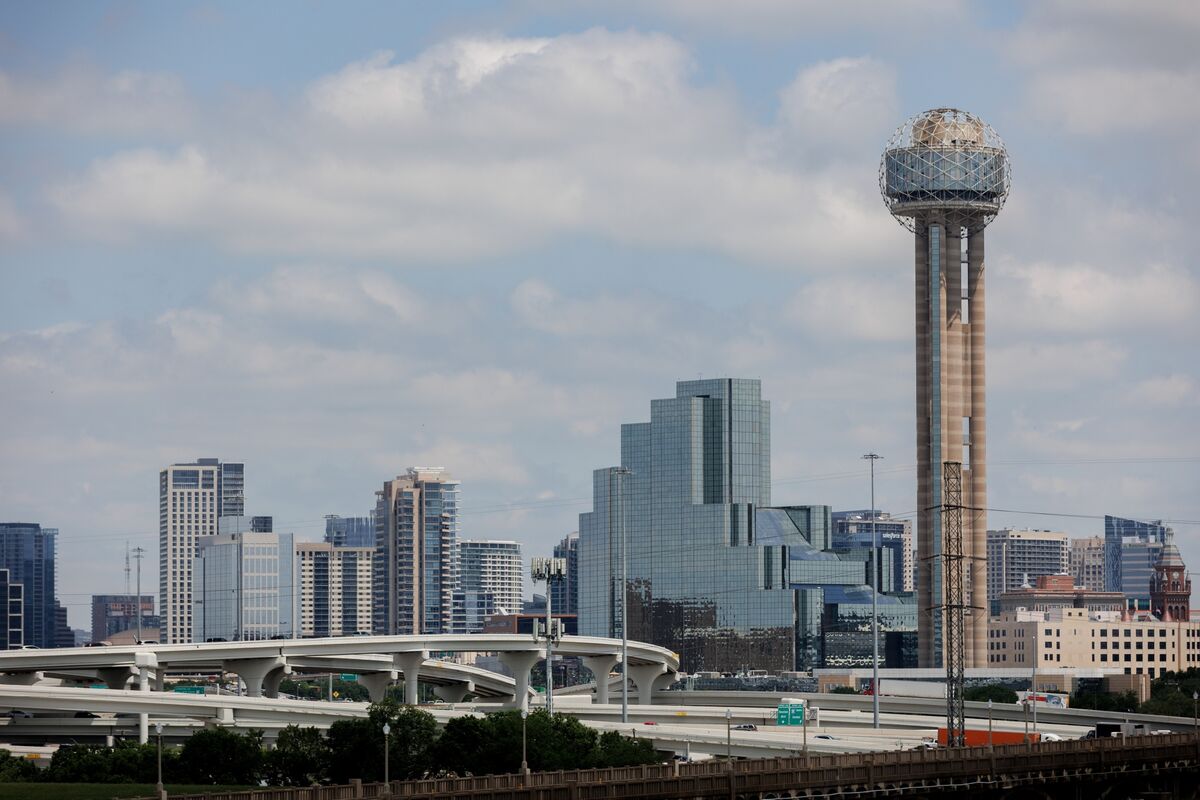
Republicans plan a midterm convention in Dallas on Sept. 9-10, an event Trump first floated last year to rally GOP voters. The timing—under two months before the November fight for control of Congress—is likely to add political noise but the article provides no direct policy or market figures.
This is an attention catalyst, not a fundamentals catalyst. For DJT, the relevant mechanism is not incremental cash flow but the possibility of a temporary increase in retail order flow, options activity, and media exposure as the election clock tightens. That matters because names with weak fundamental anchors tend to trade on narrative density; however, the move usually decays quickly once the headline window passes.
The key second-order effect is timing. A mid-September event arrives after summer liquidity returns but before the campaign enters its highest-salience phase, so any price response is likely to be more about positioning than economics. If the market anticipates a rally, implied volatility can cheapen relative to realized only if the stock is already under-owned; if not, the setup becomes a classic post-event vol crush rather than a durable trend.
Contrarian view: the consensus may overrate the convention as a sustained demand driver. For DJT, event risk is asymmetric only if it changes the stock’s trading ecology — higher daily volume, tighter spreads, and persistent retail participation. Without that, the most probable outcome is a short-lived spike followed by mean reversion. The thesis is falsified if the name holds elevated volume and price action for multiple weeks after the event, signaling a structural change in ownership rather than a one-off sentiment burst.
AI-powered research, real-time alerts, and portfolio analytics for institutional investors.
Request DemoOverall Sentiment
neutral
Sentiment Score
-0.05
Ticker Sentiment
