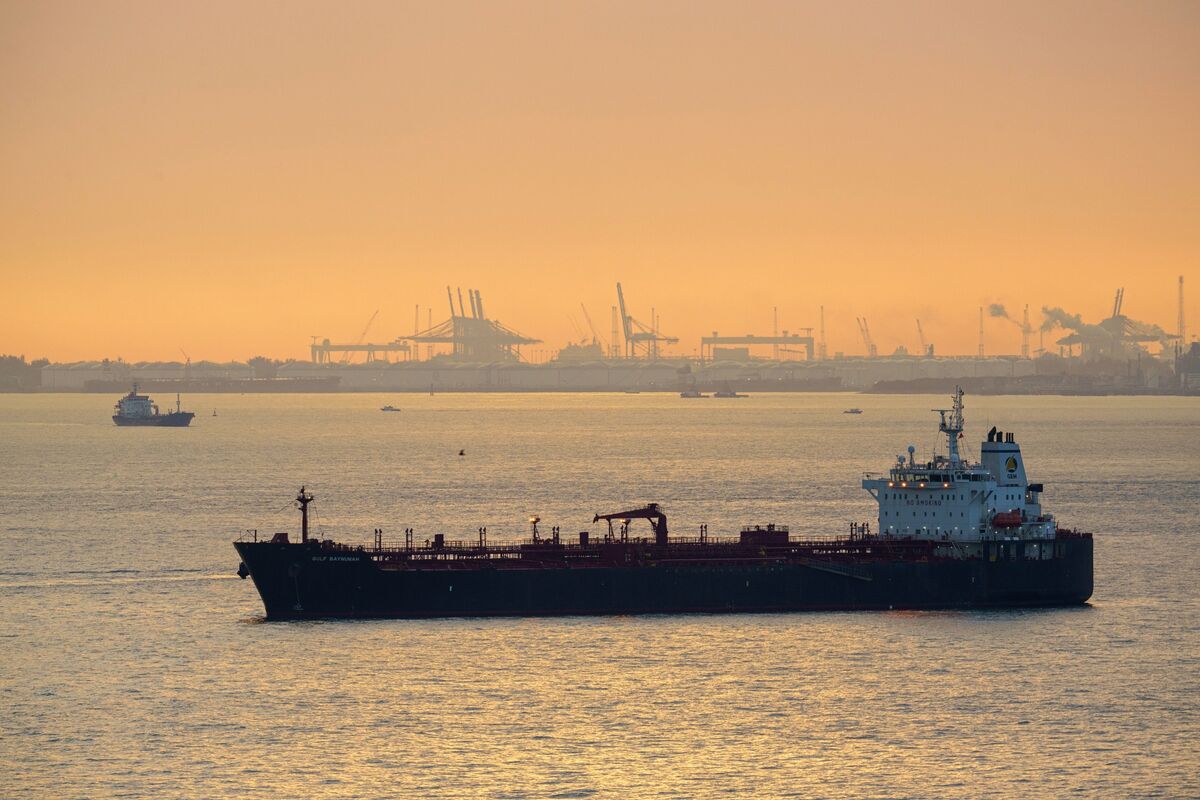
Abu Dhabi’s Adnoc is quietly increasing tanker throughput through the Strait of Hormuz, highlighting efforts to maintain crude export flows amid regional conflict risks. The piece centers on geopolitical tension and potential disruption to a critical energy chokepoint, which could affect oil logistics and market pricing even without a direct shutdown.
The key market implication is not the headline flow through Hormuz itself, but the widening dispersion between producers and transport/insurance-sensitive middlemen. If one Gulf exporter is proving more resilient than feared, the first-order beneficiary is regional supply reliability, but the second-order winners are the firms with spare export optionality, diversified shipping routes, and political leverage over buyers who need uninterrupted barrels. The losers are the entities priced for a clean supply-disruption shock: tanker rates, marine insurance, and downstream refiners that had been implicitly betting on a prolonged outage.
What matters tactically is duration. A few days of elevated passage through the strait can cap geopolitical risk premium quickly, but a multi-week pattern of “managed continuity” is more damaging to volatility sellers and outright oil bulls because it destroys the convexity trade. In that regime, Brent can give back the war premium even if the security situation remains fragile, since the market discounts realized flow, not headlines. The biggest underappreciated effect is on cross-asset hedging: if crude fails to sustain a squeeze, defense and energy hedges can both unwind, leaving crowded geopolitical longs exposed.
The contrarian read is that this is still a tail-risk market, not a solved market. Any perceived normalization could encourage complacency in positioning, making the next successful disruption more explosive because protection gets stripped out and inventories remain lean. The setup argues for owning optionality rather than delta: the asymmetric payoff is in a sudden transport interruption, not in chasing a slow grind higher in spot crude.
AI-powered research, real-time alerts, and portfolio analytics for institutional investors.
Overall Sentiment
neutral
Sentiment Score
-0.05
