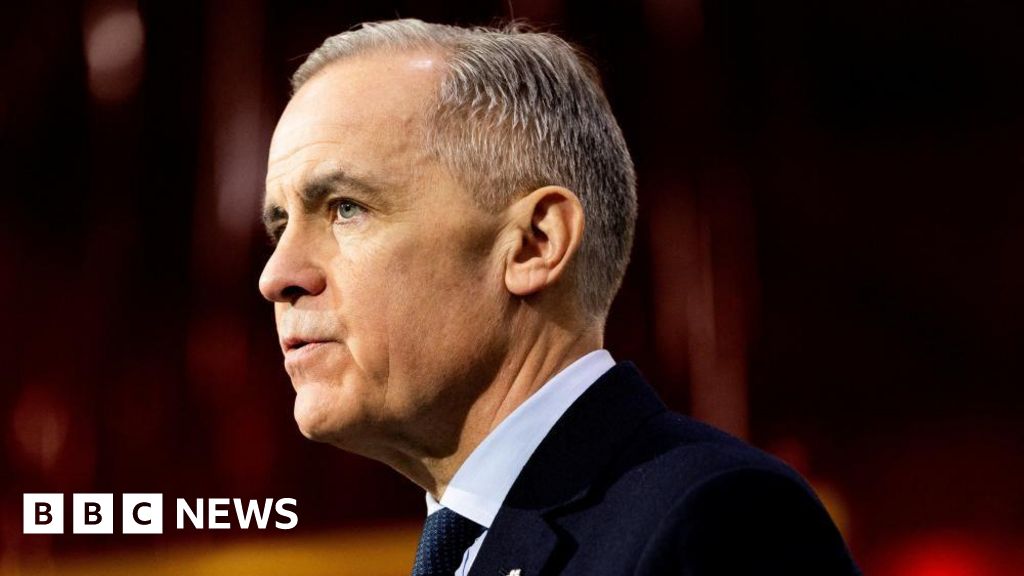
Canada signalled an easing of bilateral tensions with India, stating Ottawa believes New Delhi is not currently linked to violent crimes on Canadian soil, ahead of Prime Minister Mark Carney's scheduled visits to Mumbai and New Delhi to meet PM Narendra Modi. The trip is pitched around investment and trade — part of a broader effort to reset ties amid US tariff pressure and Ottawa's goal to double non-US exports — but the visit occurs against lingering legal and political risk from the 2023 Nijjar murder allegations and related arrests, keeping reputational and security issues on the table for investors tracking bilateral trade and regulatory risk.
Market structure: A Canadian-India rapprochement materially favors exporters and resource suppliers rather than defense or sanctions-sensitive sectors; expect incremental upside to Canadian energy (CNQ, SU) and metals/miners (TECK) demand from India over 12–36 months if talks progress. FX upside for CAD vs USD of ~1–3% is plausible on improved trade prospects and capital flows; sovereign bond moves likely muted but could tighten 5–10bp if risk premium falls. Competitive dynamics: Canadian firms gain modest pricing power in targeted Indian procurement (energy, fertilizers, potash, specialty minerals) but large Indian suppliers and Chinese competitors will cap margin expansion, implying gradual market-share shifts rather than immediate disruption.
Risk assessment: Tail risks include a diplomatic rupture triggered by new allegations or violent incidents (low-probability, high-impact) that could reverse flows within days and widen CAD-USD spreads >3% and CDS +20–30bp. Over weeks–months, judicial developments (trial dates for arrests) and domestic protests are key catalysts; over years, a formal trade agreement (2–5 year horizon) would be the largest structural driver. Hidden dependencies: US tariff/tax pressure on Canada and India’s domestic politics can derail negotiations; second-order effects include Canadian firms facing reputational/operational risk in India if community tensions flare.
Trade implications: Implement small, staged exposures: short-term 1–3 month tactical CAD long (via -USDCAD forward) sized 2–3% notional; medium-term 6–12 month longs in INDA (iShares MSCI India, 2–3%) and TECK (2–3%) to capture commodity demand, with add-on if formal negotiations announced. Hedge tail risk with 3-month USDCAD call options (protective if CAD weakens) sized at 0.5% notional. Avoid large outright long Canadian financials; prefer selective export/resource plays and caps on position sizes to 2–3% each.
Contrarian angles: Consensus overlooks asymmetric political risk from the Sikh diaspora; a backlash could create episodic volatility benefiting volatility sellers only if hedged—otherwise a short-tenor hedge is prudent. Reaction may be underdone on India equity upside: if Carney secures negotiation timelines within 90 days, INDA could re-rate +10–20% over 6–12 months; conversely, failure to get commitments would leave current small gains unchanged, so use contingent sizing tied to on-the-ground announcements. Historical parallel: diplomatic resets (e.g., US-Vietnam trade normalization) showed multi-year ramps in trade and resource investment, not immediate earnings surprises, so time positions accordingly.
AI-powered research, real-time alerts, and portfolio analytics for institutional investors.
Request TrialOverall Sentiment
mildly positive
Sentiment Score
0.25
