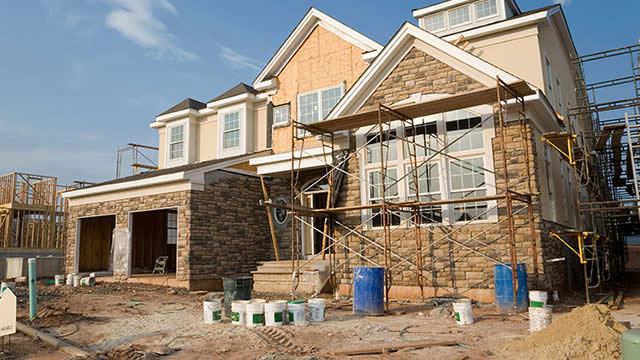
Century Communities (CCS) is framed as a buy at deep value, but fundamentals are deteriorating: gross margins are at historic lows and Q1 deliveries fell 12% year-over-year. Even with revenue/delivery declines, the company is maintaining capital returns (buybacks plus a 2% dividend) and keeps leverage stable with debt-to-capital at 32.2%. Net takeaway: positive balance-sheet/capital support offsets meaningful margin and demand headwinds.
CCS screens as one of the few builders where balance-sheet durability can meaningfully delay the equity reset, but that does not solve the core problem: earnings power is still being reset by margin compression, and buybacks only matter if underlying land and backlog economics stop deteriorating. In this part of the cycle, repurchases can support EPS optics for a quarter or two, yet they often become a transfer from future optionality to current shareholder support if management is buying stock instead of preserving land flexibility.
The second-order winner is not necessarily CCS itself, but the better-capitalized subset of homebuilders that can keep taking share while weaker private operators and levered peers pull back on starts and land spend. That dynamic should slowly reduce future supply, but the timing is months to quarters, not days; near term, the stock remains highly sensitive to cancellations, incentives, and 30-year mortgage rate moves. If rates fail to break lower, the market will keep treating "deep value" as a value trap and compress the multiple further despite the dividend.
The contrarian view is that the market may be underestimating how much capital returns can cushion downside in a weak tape, but also overestimating the durability of that cushion if gross margins remain at trough levels. The thesis is falsified if CCS shows stabilization in net orders/backlog and can defend margins on the next print; it is reinforced if operating deleverage continues while buyback spend stays elevated. Time horizon matters: immediate trading is mostly sentiment; 1-3 months depend on rates and earnings revisions; 6-18 months depend on whether housing supply contraction finally offsets demand weakness.
AI-powered research, real-time alerts, and portfolio analytics for institutional investors.
Overall Sentiment
mildly negative
Sentiment Score
-0.15
Ticker Sentiment
