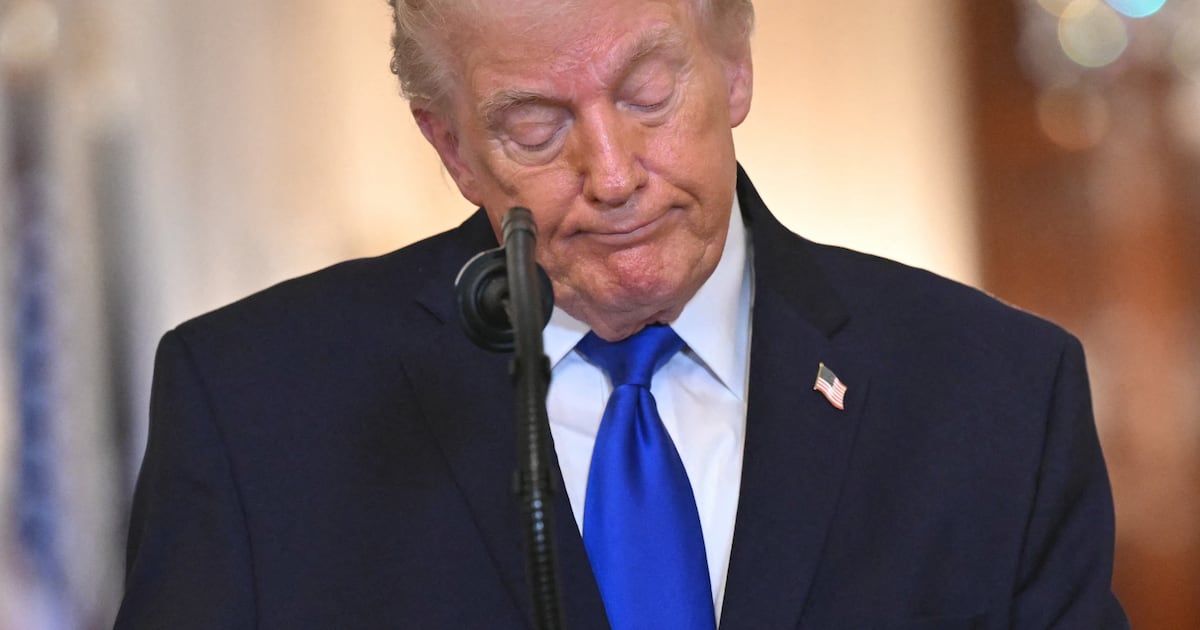
Trump’s push for Saudi Arabia, Qatar, Pakistan, Turkey, Egypt, and Jordan to sign the Abraham Accords comes as U.S.-Iran ceasefire hopes are fading after reported American strikes on Iranian targets. The proposal was reportedly mocked by Arab officials, while Pakistan’s defense minister publicly ruled out joining, underscoring weak near-term prospects for a broader regional peace deal. The combination of renewed conflict risk and diplomatic friction raises geopolitical risk across the Middle East.
The immediate market implication is not a direct asset-level shock but a higher probability of policy slippage: when an administration publicly overreaches on regional architecture, it tends to narrow diplomatic room and extend the “messy middle” where risk premia stay elevated. That usually favors defense, cyber, and energy-volatility hedges over outright directional EM bets, because the first-order reaction is headline noise while the second-order effect is delayed capital allocation and slower cross-border investment in the Gulf and South Asia. The more interesting read is that the demand itself may be a domestic-political signal rather than a serious negotiating endpoint. If so, the base case is repeated escalation rhetoric without durable agreement, which is bearish for any narrow “peace dividend” trade and mildly supportive for defense spend expectations, especially in air/missile defense and ISR, where procurement budgets can stay firm even if de-escalation headlines flicker. For EM, Pakistan is the clearest idiosyncratic loser: refusal to participate preserves ideology but raises the odds of Washington friction, which can bleed into financing costs and IMF optics over the next 1-3 months. Contrarian angle: the market may be underpricing how quickly a mocked, unserious proposal can still become a constraint if it is used as a bargaining chip. If the administration escalates from rhetoric to conditionality on aid, arms sales, or trade access, then Gulf coordination could be pressured even without formal accession, making the real risk not accession itself but transactional retaliation. That argues for treating this as a volatility regime shift, not a binary peace/war outcome, with the biggest opportunity in structures that monetize headline churn rather than betting on a clean resolution.
AI-powered research, real-time alerts, and portfolio analytics for institutional investors.
Request DemoOverall Sentiment
moderately negative
Sentiment Score
-0.45
