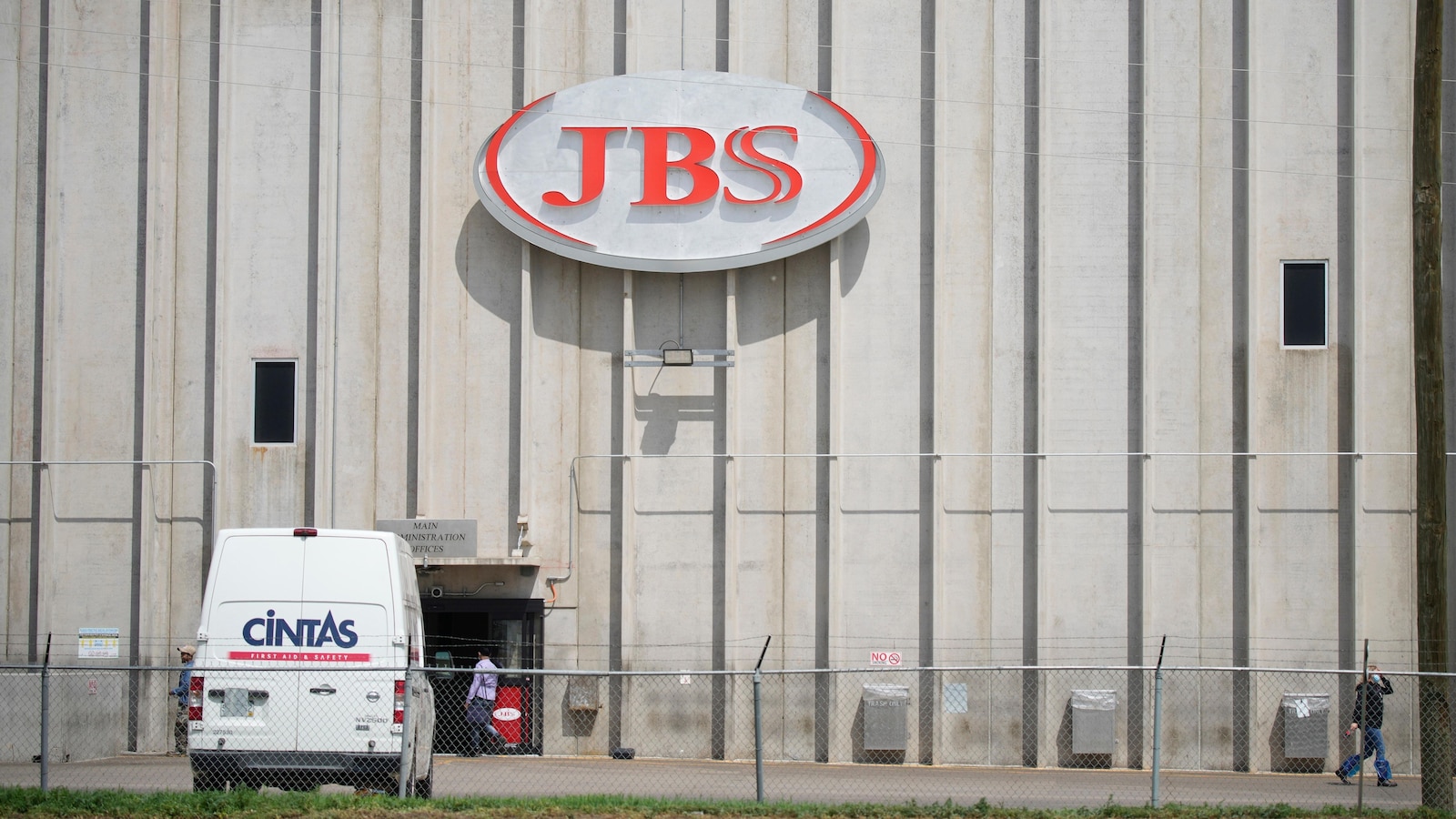
About 3,800 workers at JBS USA's Swift Beef Co. plant in Greeley, Colorado went on strike Monday — the first U.S. beef slaughterhouse walkout since 1985. The strike followed the expiration of the previous contract and union allegations of retaliation and unfair labor practices; JBS said it will run two shifts, pay non-striking employees and temporarily shift production to other facilities. The action risks localized supply disruption and upward pressure on beef prices amid a 75-year low U.S. cattle herd (86.2 million head on Jan. 1, down 1% year/year), implying near-term margin and supply-chain implications for JBS, processors, and downstream retailers/foodservice.
This strike is a near-term asymmetric supply shock inside an already undersupplied cattle market — with U.S. herd metrics at multi-decade lows, a multi-thousand-worker stoppage can produce outsized moves in wholesale beef and live-cattle prices within days as buyers scramble for loadings and plants run at uneven utilization. Expect regional basis blows-up first (Colorado/North Plains beef forwards), then spread east/west as cattle are rerouted; trucking costs and carcass yields will amplify wholesale volatility by raising effective landed costs by single-digit percentage points on top of spot price moves.
Second-order winners are processors with spare capacity and logistics flexibility: firms that can take diverted kill schedules (and who have scale distribution relationships) can capture margin and market share; losers are retailers and QSRs with large beef exposure and thin pass-through ability, and local meat distributors facing immediate inventory shortfalls. Over months the bigger signal is structural: repeated disruptions accelerate automation and consolidation incentives in packing (raising capex and concentration), while near-term political pressure to liberalize imports (Argentina, others) could cap upside beyond 2–3 quarters.
Tail risks: a protracted strike or escalation to other facilities could push retail beef inflation materially higher for 3–6 months, igniting regulatory/political responses (tariff relief on imports or forced inspections) that would reverse margins quickly; conversely, rapid rerouting of cattle to other plants or a weekend deal would mean the price shock is front-loaded into a 1–4 week window. Watch kill-rate data and regional futures basis daily; those two datapoints will separate a tradable spike from a structural repricing.
AI-powered research, real-time alerts, and portfolio analytics for institutional investors.
Request DemoOverall Sentiment
mildly negative
Sentiment Score
-0.30
