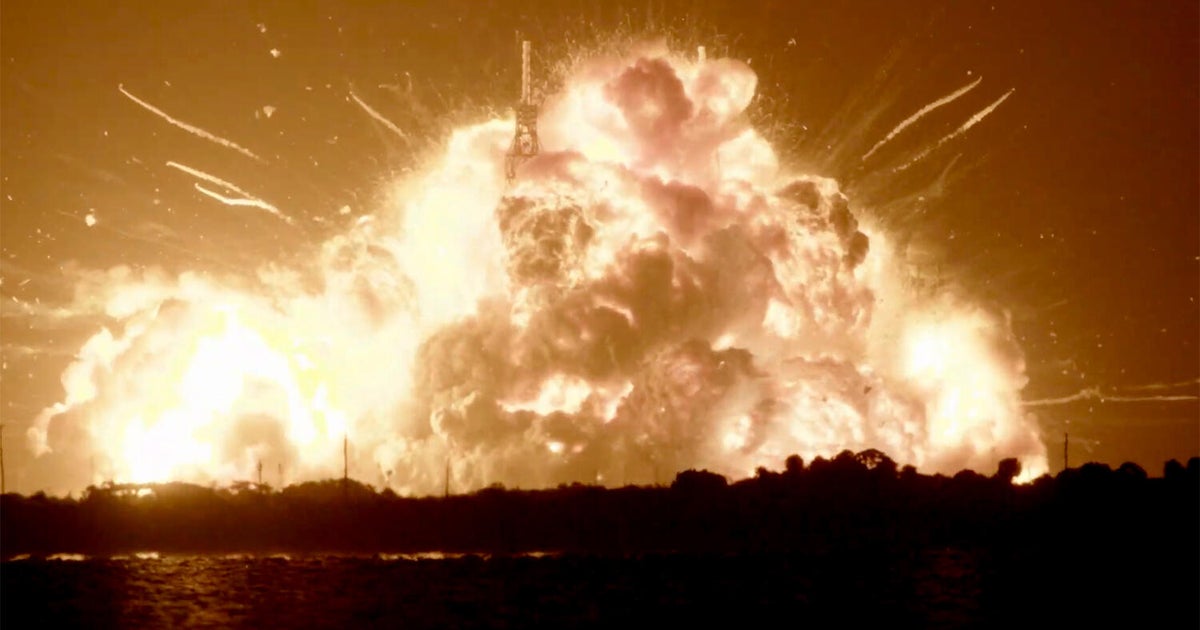
Blue Origin's New Glenn suffered a catastrophic launchpad explosion during a hot-fire test, apparently severely damaging its only pad and threatening months of delays. The setback could push Blue Origin's planned Artemis moon-support missions into 2028-2029 and may also affect United Launch Alliance's Vulcan rocket, which uses Blue Origin BE-4 engines. NASA said it will assess near-term mission impacts and work with partners on a thorough investigation.
This is not just a launch setback; it is a supply-chain and schedule shock to a tightly coupled orbital infrastructure stack. The first-order loser is AMZN, but the second-order damage is to any program that needs Blue Origin as a credible heavy-lift or engine supplier: the market should now discount both near-term launch cadence and the probability-weighted value of BE-4/launcher optionality until root cause is clearly isolated. The pad destruction matters as much as the vehicle loss because it turns a technical anomaly into a fixed-asset bottleneck, which is the difference between a weeks-long investigation and a multi-quarter reset.
For AMZN, the economic impact is small versus corporate scale, but the strategic damage is larger than the headline suggests. Amazon’s satellite roadmap loses its implied self-launch advantage, which can force interim dependence on third-party launch providers and raise per-satellite deployment costs, lowering the ROIC on the constellation buildout. The bigger hidden beneficiary is SpaceX: if Blue Origin slips by quarters, NASA’s schedule pressure increases the odds of a de facto single-vendor lunar architecture, which improves SpaceX’s negotiating leverage and reduces competitive pricing discipline across the launch market.
The most important time horizon is 1-6 months: that is when management credibility, insurance claims, pad reconstruction, and test cadence will be repriced. A near-term reversal would require a clean root-cause answer that points to ground systems rather than propulsion hardware, because that would preserve the engine franchise and shorten certification delays; a propulsion or tanking failure would be much more damaging and could spill into ULA via BE-4 confidence. The market is likely underestimating how much this event tightens the bottleneck around launch infrastructure rather than rocket design alone.
Contrarian view: the consensus will probably over-discount AMZN’s financials and under-discount the strategic optionality hit. The stock won’t move on satellite revenue near-term, but repeated delays would weaken the narrative that Amazon can vertically own a critical piece of the broadband stack. Conversely, if Blue Origin can reuse designs and avoid a systemic engine issue, the selloff in the ecosystem may prove too punitive within a 30-90 day window.
AI-powered research, real-time alerts, and portfolio analytics for institutional investors.
Request DemoOverall Sentiment
strongly negative
Sentiment Score
-0.78
Ticker Sentiment
