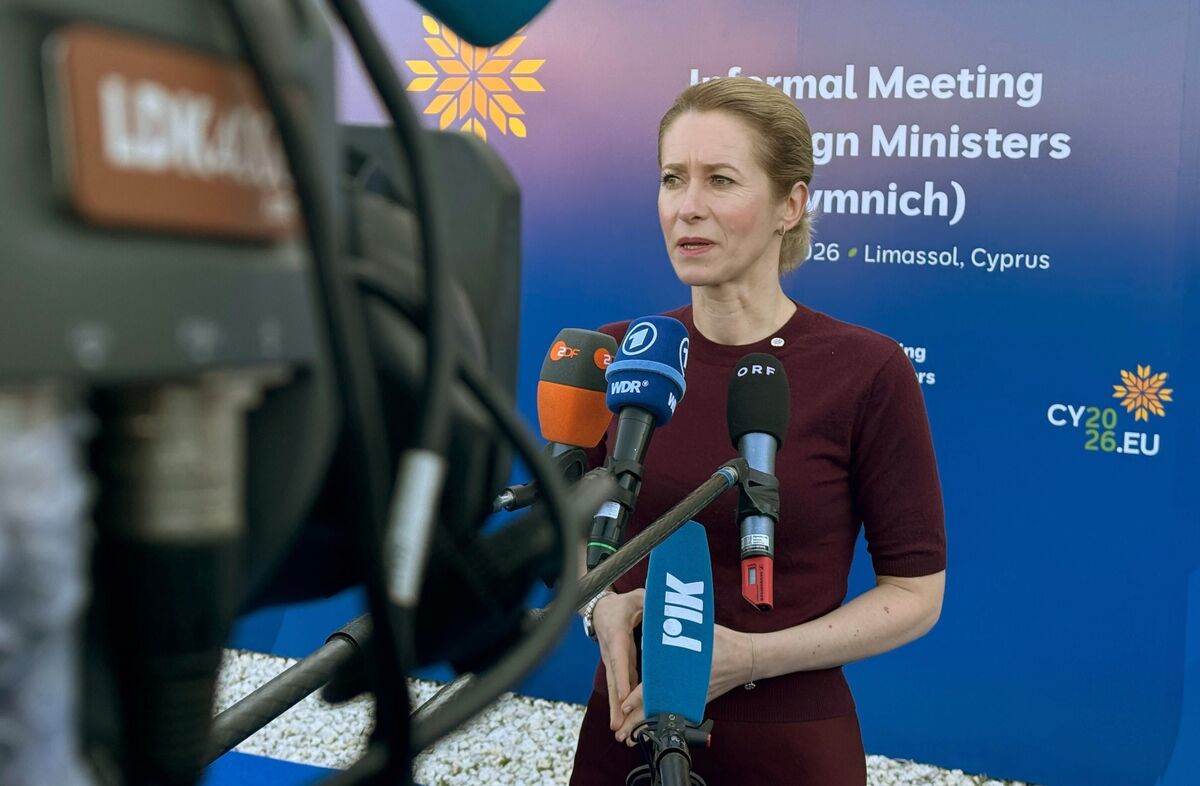
EU foreign policy chief Kaja Kallas warned that discussing a special envoy to negotiate with Vladimir Putin could play into a Russian trap, underscoring continued geopolitical friction over any reopening of talks with the Kremlin. The comments highlight persistent tensions around the war in Ukraine and the risk of diplomatic missteps, but they do not indicate an immediate policy shift. Market impact is limited and mainly relevant to defense, sanctions, and European risk sentiment.
The immediate market read is not about diplomacy; it is about how much room Europe has to sustain a harder sanctions posture without signaling fatigue. Any perception that the bloc is debating terms of engagement before Russia has materially changed behavior will be interpreted as leverage-building, which tends to compress the probability of incremental sanctions escalation and widen the range of outcomes for energy, industrial metals, and defense procurement. That creates a subtle winner set: firms and sectors exposed to longer-duration European rearmament and domestic substitution benefit if policymakers respond by accelerating spend rather than loosening pressure.
Second-order effects matter more than headlines. A public dispute over who can talk to Moscow raises internal EU coordination risk, and that usually slows consensus on sanctions packages, export controls, and enforcement harmonization. In practice, slower enforcement often helps gray-market intermediaries, non-EU shipping/logistics nodes, and dual-use suppliers outside the bloc more than it helps any one European incumbent; meanwhile, European contractors tied to multi-year ammunition, air defense, and infrastructure resilience budgets are insulated from the noise because their demand is driven by threat perception, not dialogue.
The catalyst window is months, not days: if talk of engagement fades, the market likely re-prices toward “status quo plus incremental tightening,” which is bullish for defense and neutral-to-bullish for energy if sanctions enforcement tightens at the margin. The contrarian risk is that a diplomatic opening, even if largely symbolic, could reduce near-term tail risk premia in European assets and energy volatility faster than fundamentals warrant, especially if traders extrapolate to fewer disruption scenarios. That suggests the move may be underdone in defense and overdone in any assets priced for immediate de-escalation.
AI-powered research, real-time alerts, and portfolio analytics for institutional investors.
Request TrialOverall Sentiment
mildly negative
Sentiment Score
-0.15
